Stockholm Travel Guide

Daniel
| 28-04-2026
 · Travel team
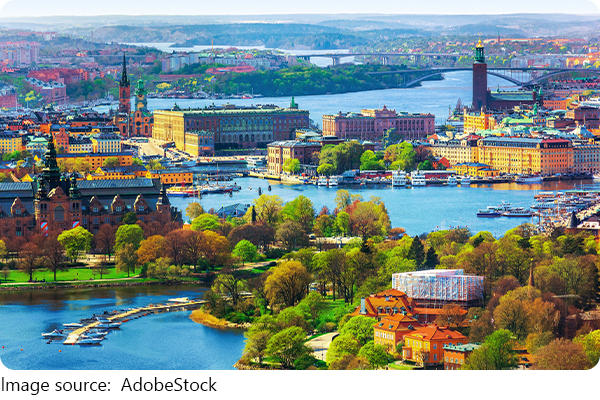
Stockholm sits on 14 islands where Lake Mälaren meets the Baltic Sea, and the city has this quality that's hard to articulate until you're there — water literally everywhere, copper rooftops glinting in the northern light, cobblestone streets in a medieval old town that looks almost too well-preserved to be real.
It's been called the Venice of the North, which isn't wrong, though Stockholm would probably be offended by the comparison. This city is entirely its own thing, and it rewards visitors who slow down enough to actually notice i
Getting There
Stockholm Arlanda Airport is the main international gateway, sitting about 23 miles north of the city center. The Arlanda Express train connects the airport to Stockholm Central Station in around 20 minutes and costs roughly $30 each way — fast and comfortable. Alternatively, the Flygbussarna airport bus takes about 45 minutes and costs around $14, which is the budget-friendly option. Once in the city, Stockholm's public transit system — metro, buses, trams, and ferries — is excellent. A single 75-minute metro ticket costs around $4, and the system doubles as what some call the world's longest art gallery, with over 90 stations decorated by commissioned artists since the 1950s.
Top Things to See and Do
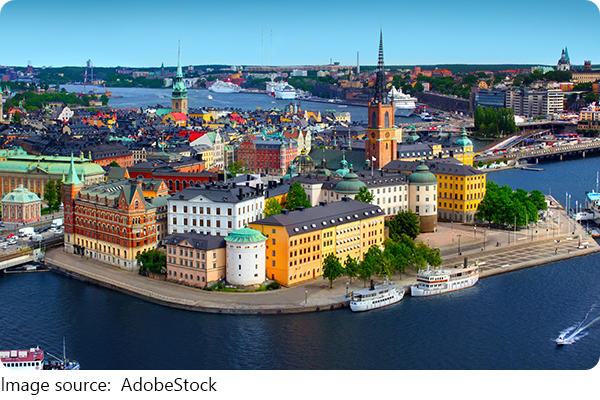
Gamla Stan is where most people start, and rightly so. This is the medieval old town on its own small island — narrow cobblestone lanes, mustard and terracotta buildings, the Royal Palace, and the Nobel Museum all packed into a remarkably compact area. Entry to the Nobel Museum costs around $14 per person and gives a surprisingly absorbing look at laureates and discoveries across the decades.
The Vasa Museum on Djurgården Island is genuinely unmissable. It houses a near-perfectly preserved 17th-century warship that sank on its maiden voyage in 1628 and was salvaged intact in 1961. The scale of the vessel inside the museum is genuinely breathtaking. Entry runs around $20 per person.
The ABBA Museum, also on Djurgården, costs around $27 and is far more engaging than it sounds — interactive, funny, and unexpectedly moving if you grew up with the music.
Skansen, the world's oldest open-air museum, spreads across 75 acres on Djurgården with historic farmsteads, cottages, and buildings relocated from across Sweden. Entry costs around $20 in peak season and less in the shoulder months.
If you want to save across multiple attractions, the Stockholm Pass gives access to 75 or more museums and attractions, with a one-day pass running around $85 and three-day options around $120.
Stockholm
Best Time to Visit
May through September delivers the best weather and the longest days — in midsummer, the sun barely sets, which creates a completely surreal golden evening light across the water. July and August are the busiest months with the highest prices. Late May, early June, and September hit the sweet spot: good weather, fewer crowds, and accommodation rates that are noticeably lower than peak summer.
Where to Stay
Stockholm is genuinely expensive, so setting realistic expectations helps. Hostel dorm beds in well-reviewed properties like Generator Stockholm or City Backpackers run around $35 to $50 per night. Private hostel rooms start around $80 to $130. Budget hotels in or near the city center cost around $100 to $140 per night. Mid-range hotels run $140 to $250 depending on location and season. If you're staying more than a few days, a self-catering apartment cuts food costs significantly — Stockholm's supermarkets are well-stocked and far more affordable than its restaurants.
Stockholm takes a little budget planning, but the payoff is one of Europe's most beautiful and livable capital cities — clean, safe, remarkably well-designed, and quietly extraordinary at almost every turn.