Smart Breakfast

Arvind Singh
| 28-04-2026
 · Cate team
Mornings often feel rushed, but what you put on your plate can quietly shape how the rest of the day unfolds.
A good breakfast isn't about eating more—it's about pairing the right foods so your body gets steady energy instead of quick spikes and drops. Once you understand a few simple combinations, building a balanced breakfast becomes almost automatic.
Build Around Balance
Instead of focusing on a single “healthy” item, think in combinations. A strong breakfast usually includes three elements: protein, fiber, and natural carbohydrates. Each plays a different role.
Protein helps you stay full longer. Fiber slows digestion and keeps energy stable. Carbohydrates give you that initial boost to get moving. When these are combined properly, you avoid that mid-morning energy drop that often leads to unnecessary snacking.

Classic Pairing Ideas
Some combinations work consistently well because they naturally balance each other.
Try options like:
• Oatmeal with yogurt and fresh fruit
• Whole grain toast with egg and sliced tomato
• Yogurt with berries and a small handful of nuts
• Smoothie made with fruit, milk, and oats
Each of these meals covers multiple nutritional needs without feeling heavy or complicated.
Protein Makes the Difference
Many quick breakfasts skip protein, which is why hunger returns so quickly. Adding even a small portion can change how long you stay satisfied.
Easy protein additions include:
• Eggs prepared in simple ways
• Yogurt or milk
• Nut spreads
• Seeds like chia or flax
You don't need large amounts. Even a small portion helps maintain a steady feeling of fullness.
Don't Skip Fiber
Fiber often gets overlooked, but it plays a key role in how your body processes food. It slows down digestion and helps maintain a more even energy level.
Good sources include:
• Oats
• Whole grain bread
• Fresh fruits like apples or berries
• Vegetables added to savory breakfasts
Adding fiber doesn't require effort—just small swaps like choosing whole grains over refined ones.

Keep It Simple on Busy Days
Not every morning allows time for cooking. The goal is to have quick combinations ready without sacrificing balance.
1. Prepare ahead
Cut fruits or portion ingredients the night before.
2. Use multi-purpose foods
Oats, yogurt, and eggs can be used in many ways.
3. Keep portions ready
Small containers help you grab and go without thinking.
4. Avoid overcomplicating
Simple meals are easier to maintain daily.
Consistency matters more than perfection.
Hydration Still Counts
After several hours of rest, your body needs hydration just as much as food. Starting the day with a drink helps everything function more smoothly.
Simple choices:
• Warm water with lemon
• Herbal tea
• Fresh fruit-infused water
These options are light and help you feel refreshed without overwhelming your system.
Common Pairing Mistakes
Even when eating breakfast regularly, certain habits can reduce its effectiveness.
1. Too much sugar
Leads to quick energy spikes followed by drops.
2. Skipping protein
Causes early hunger.
3. Overly processed foods
Often lack balance and lasting energy.
4. Eating too little
Leaves you under-fueled for the day.
Avoiding these mistakes can make a noticeable difference in how you feel.
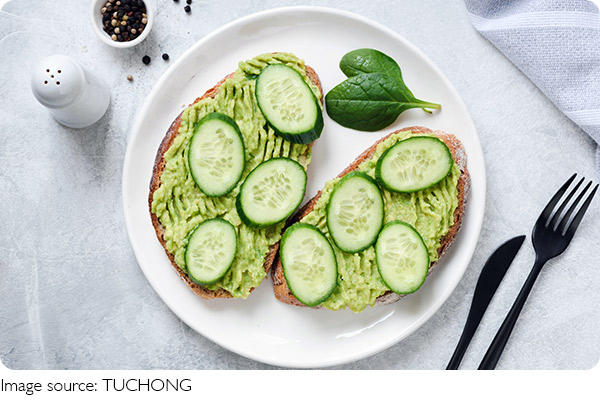
Make It a Routine
A balanced breakfast doesn't need variety every day. In fact, having a few reliable combinations makes mornings easier and more consistent.
Rotate between a few options you enjoy, adjust based on your schedule, and keep ingredients simple. Over time, these small habits build a steady rhythm that supports both energy and focus.
A well-paired breakfast isn't about strict rules—it's about understanding how foods work together. Once you find combinations that suit your routine, mornings feel less rushed and more grounded, setting a calm and steady tone for everything that follows.