Perfect Spiral

Lucas Schneider
| 27-04-2026
 · Cate team
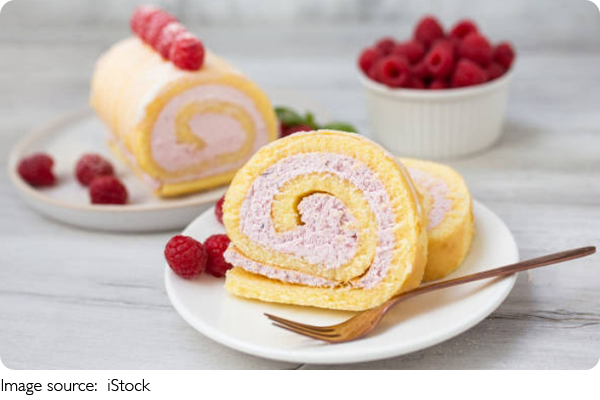
A Swiss roll looks delicate on the outside, but slicing into it reveals a perfect spiral of soft sponge and creamy filling. The surprising part is that such an elegant dessert comes from a relatively simple baking process.
With the right technique and timing, even a basic kitchen setup can produce a light, flexible cake that rolls without cracking.
Ingredients Preparation
Before starting, it's important to gather all ingredients in measured amounts. Precision helps ensure the sponge stays light and elastic.
Basic ingredients include:
• Eggs (room temperature for better volume)
• Fine sugar for smooth texture
• Low-protein flour for softness
• Milk for moisture
• A small amount of oil or melted butter
• Vanilla extract for aroma
• Whipped cream or jam for filling
Having everything ready before mixing helps maintain consistent texture throughout the process.
Making the Sponge Batter
The sponge is the foundation of a Swiss roll, and its texture determines how easily it can be rolled later.
1. Whip the eggs and sugar
Beat until the mixture becomes pale and airy. This step creates the structure of the cake.
2. Add dry ingredients
Sift flour gently into the mixture to avoid deflating the air bubbles.
3. Fold carefully
Use slow, circular motions to combine ingredients without losing volume.
4. Add liquids
Incorporate milk and oil evenly for moisture and flexibility.
The final batter should be smooth, light, and slightly thick but still pourable.
Baking the Sponge
Proper baking technique is essential to maintain softness. The goal is to bake evenly without drying out the cake.
Key baking tips:
• Preheat the oven to a moderate temperature
• Line the baking tray with parchment paper
• Spread batter evenly to ensure uniform thickness
• Avoid overbaking, as dryness can cause cracking during rolling
Once baked, the surface should feel springy and lightly golden.
Rolling Technique
Rolling is the most delicate stage. Timing is critical to prevent breaks in the sponge.
Steps:
• Remove the cake while still slightly warm
• Place it on a clean sheet of parchment paper
• Roll gently from one end to form shape memory
• Allow it to cool in rolled form
This initial roll helps the cake retain flexibility when filled later.
Preparing the Filling
The filling adds flavor and contrast to the soft sponge. It should be smooth and easy to spread.
Common options include:
• Lightly sweetened whipped cream
• Fruit jam for a tangy layer
• Chocolate cream for richer flavor
• Custard for a smooth texture
Whip or mix until the filling holds shape without being too stiff.
Final Assembly
Once the sponge has cooled completely, it is ready for filling and final shaping.
1. Unroll gently
Carefully open the sponge without pressing too hard.
2. Spread filling evenly
Leave a small border to prevent overflow when rolling.
3. Roll again firmly but gently
Use steady pressure to maintain shape without cracking.
4. Chill before slicing
Cooling helps the roll set and improves clean slicing.
Common Mistakes to Avoid
Small errors can affect the texture and appearance of the Swiss roll.
1. Overbaking the sponge
This makes it dry and prone to cracking.
2. Overmixing batter
Too much mixing removes air, reducing fluffiness.
3. Filling too early
Warm sponge can melt or weaken the filling.
4. Rolling too tightly
Excess pressure may break the cake structure.
Serving and Presentation
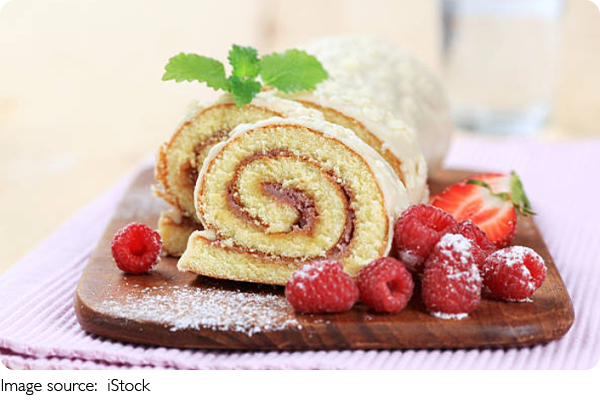
A well-made Swiss roll is best served chilled and sliced into even rounds. A sharp blade helps maintain clean edges and visible swirl patterns.
Optional finishing touches:
• Light dusting of powdered sugar
• Fresh fruit on the side
• Drizzle of melted chocolate for decoration
Swiss roll baking is a balance of precision and gentle handling. When each step is done carefully—from whipping the batter to the final roll—the result is a soft, elegant dessert with a smooth spiral that feels both simple and refined.