One Boat, One Paradise

Pankaj Singh
| 27-04-2026
 · Travel team
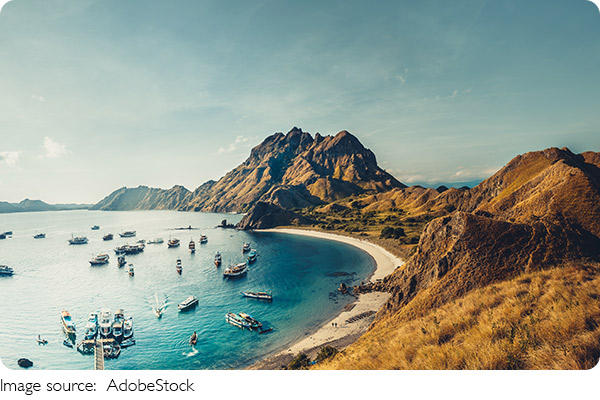
A lone wooden boat bobs in water so transparent you can count the grains of sand beneath the hull.
On one side, the shallows glow electric turquoise.
On the other, the ocean deepens into a rich cobalt blue — two colors so distinct they look like someone drew a line between them with a paintbrush. This is a white sand bank in Komodo National Park, eastern Indonesia, and it exists in that rare category of places that look better in real life than in photographs.
The park spans 29 volcanic islands between the islands of Sumbawa and Flores, and its waters are considered some of the richest marine ecosystems on the planet. Manta rays, reef sharks, sea turtles, and whale sharks all move through these channels — and beneath that impossibly clear water, coral gardens stretch for kilometers.
More Than Just a Pretty Shore
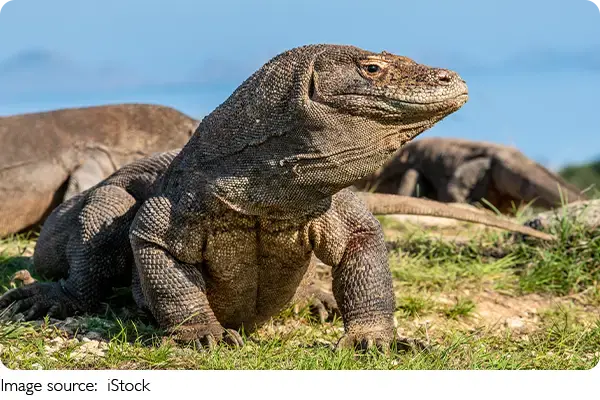
Komodo National Park earned its UNESCO World Heritage status for one very specific reason: it is the only place on earth where Komodo dragons still roam in the wild. These prehistoric reptiles can reach 3 meters in length, weigh over 70 kilograms, and have been here for millions of years. On Rinca Island alone, more than 1,000 dragons live freely across the savannah landscape, and sighting one on a guided trek is virtually guaranteed.
But the park's appeal extends well beyond the dragons. Padar Island offers one of Indonesia's most dramatic viewpoints — a steep 30-minute climb rewards hikers with a panorama of three bays, each a different shade of blue, curving around black volcanic headlands. Pink Beach, one of only seven naturally pink-sand beaches in the world, sits quietly on Komodo Island's eastern shore, its blush color coming from crushed red coral mixed with white sand.
Komodo National Park
Island Hopping by Wooden Boat
The classic way to experience the park is exactly what this image shows — boarding a traditional wooden boat and spending the day drifting between sandy shores, snorkeling spots, and dragon-trekking beaches. Most day tours depart from Labuan Bajo, the gateway town on Flores island, at around 7:00 AM and cover four to six stops before returning by sunset.
The pace is unhurried, the crew will prepare fresh grilled fish for lunch on deck, and by mid-afternoon you'll have forgotten what day of the week it is. For those who want to go deeper, multi-day liveaboard cruises anchor overnight in protected bays that no day-tripper ever reaches.
Practical Visitor Information
Getting There: Fly from Bali (Denpasar) to Labuan Bajo Airport (LBJ) — the flight takes approximately 1 hour 20 minutes. Multiple daily flights operate via Lion Air, Garuda Indonesia, and Citilink. Book at least 2–3 months ahead during peak season (June–August).
Park Entrance Fee: Approximately $44 per person, covering national park entry, snorkeling, trekking, and ranger fees across all major islands including Komodo, Rinca, and Padar. Fees are paid in cash (Indonesian Rupiah) on arrival.
Best Time to Visit: April through October for calm seas and clear visibility. July and August are the busiest months.
Accommodation in Labuan Bajo:
1. Budget hostels and guesthouses: $15–$30 per night.
2. Mid-range hotels (3-star): $50–$90 per night.
3. Liveaboard boats (all-inclusive, 3–8 days): from $150–$300 per person per night.
Come Before the Quota Fills
From 2026, Komodo National Park enforces a hard limit of 1,000 visitors per day across the entire park. That number sounds large until you realize how fast it fills during peak months. Book your boat tour and accommodation early, arrive at least one night before departure, and let this white sand shore be exactly what it promises — a place where the only thing on your schedule is deciding which shade of blue to swim in first.