Secret Turquoise Road

Pankaj Singh
| 30-04-2026
 · Travel team
The Color Has a Scientific Explanation
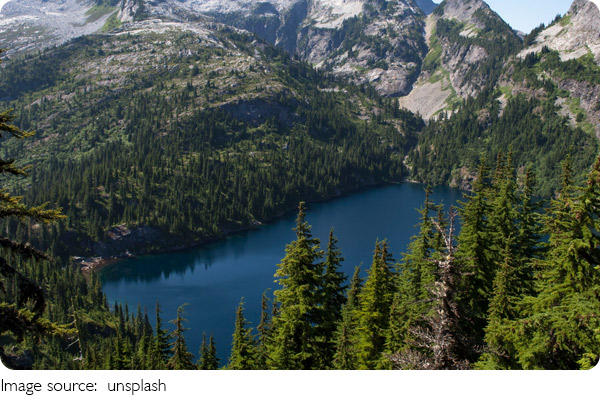
Pull over at the Diablo Lake Vista Point on Highway 20 in Washington State, and the view will make you question whether the water has been digitally altered. It hasn't.
Diablo Lake glows a vivid, milky turquoise — somewhere between Caribbean sea and glacial meltwater — because of something called glacial flour.
The North Cascades holds more glaciers than any other national park in the contiguous United States, and as those glaciers grind slowly across bedrock, they produce an ultrafine rock powder that suspends in the meltwater flowing into the lake. That suspended mineral dust scatters sunlight at exactly the wavelength that produces this electric blue-green.
On overcast days, the color is actually more intense. On sunny mornings, the contrast between the turquoise water, dark green Douglas firs, and grey Cascade peaks produces a view that photographers drive hours to capture — and it costs absolutely nothing to see.
One of America's Last Free National Parks
North Cascades National Park received just 47,000 visitors in 2025 — compared to nearly two million at Mount Rainier just 150 miles south. This is partly because Highway 20, the only paved road through the park, closes every winter under several meters of snow, typically from mid-November through late April. But it also means the park rewards those who know about it with something increasingly rare in American outdoor travel: genuine solitude.
There is no entrance gate, no fee booth, and no crowd. Trails that would have a queue at Rainier are empty on weekday mornings here. The Thunder Peak Trail — a 3.1-mile round trip from Historic Creek Campground — climbs 656 feet to an open summit with an unobstructed bird's-eye view of the lake and surrounding peaks, all accessible within an hour of the highway.
What the Highway 20 Drive Actually Delivers
The full Highway 20 corridor runs approximately 140 miles through the North Cascades, passing three glacier-fed lakes in sequence — Gorge, Diablo, and Ross — before climbing to Washington Pass at 5,477 feet, where the Liberty Bell and Early Winters spires rise from the road's edge like broken teeth.
Stopping points require no planning: the Diablo Lake Vista Point is roadside, the Rainy Lake Trail is a flat 2-mile paved walk to a glacial cirque lake with a waterfall, and the Washington Pass Overlook delivers 360-degree views of the high Cascades from a short boardwalk. Plan 4 to 5 hours for the full drive with stops.
North Cascades National Park
Practical Visitor Information
• Getting There: Drive east from Seattle on I-5 north to Burlington, then east on Highway 20 — approximately 2 hours to Diablo Lake. No shuttle services operate; a personal vehicle is essential.
• Entrance Fee: North Cascades National Park charges no entrance fee — one of very few national parks in the country with free access. Trailhead parking on adjacent National Forest land requires a Northwest Forest Pass at $5 per day or $30 annually.
• Highway 20 Season: Open late April through mid-November. Check WSDOT road conditions before any visit outside summer months.
• Accommodation:
1. Historic Creek South Campground (lakeside on Diablo Lake, reservable): $23–$35 per night
2. Newhalem Creek Campground (near visitor center): $20–$30 per night.
3. Ross Lake Resort (floating cabins, boat-access only): $250–$400 per night — book months in advance.
4. The Inn at Mazama (east side, hotel-style): $150–$220 per night.
Go Before Everyone Discovers It
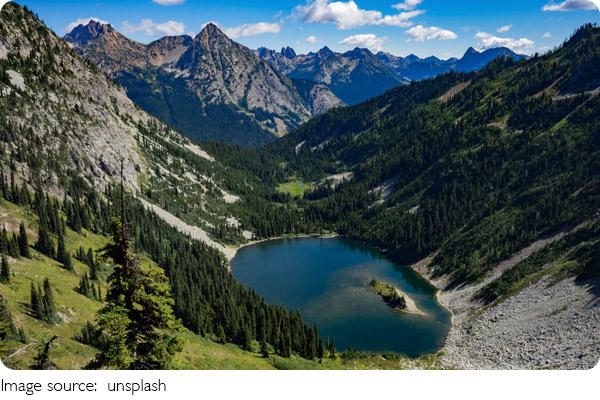
North Cascades is what the great Pacific Northwest parks looked like before the crowds arrived. The road hugging Diablo Lake, the silence on the Thunder Peak summit, the glacial flour drifting blue through the water below — these are available right now, for free, two hours from one of America's largest cities. That window won't stay quiet forever. Drive it while it still belongs mostly to those who know to look.