Sofa Material Guide

Santosh Jha
| 27-04-2026
 · Lifestyle team
A sofa is where the day slows down—reading, resting, or simply sitting in silence. But comfort doesn't come from shape alone. The true quality of relaxation is defined by the underlying ergonomics and the tactile nature of the materials, which must support the body’s posture while simultaneously inviting the mind to unwind.
The material you choose determines how it feels, how it ages, and how easy it is to maintain. A well-chosen sofa material can elevate both function and design without effort.
Fabric Sofas: Soft and Versatile
Fabric is one of the most common sofa materials because of its flexibility in style and comfort.
• Wide range of colors and textures
• Soft surface suitable for daily use
• Breathable, making it comfortable in different seasons
However, fabric can absorb stains more easily, so it may require regular cleaning. Performance fabrics with protective coatings are a practical upgrade for busy households.
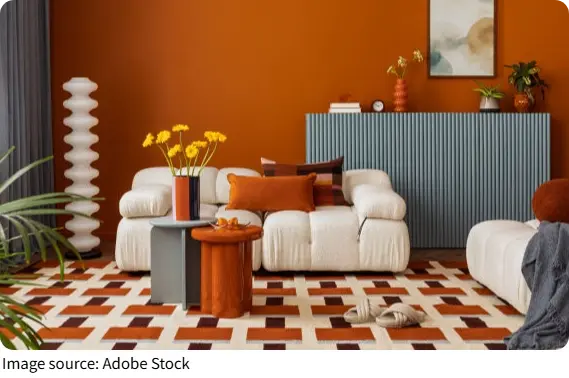
Leather: Clean and Structured
Leather sofas offer a refined, structured look that fits modern and classic interiors alike.
• Smooth surface makes cleaning simple
• Durable with proper care
• Develops a natural character over time
They tend to feel cooler at first touch and may require conditioning to maintain texture. High-quality leather lasts longer but comes at a higher cost.
Faux Leather: Budget-Friendly Alternative
Faux leather provides a similar appearance to real leather at a lower price point.
• Easy to clean with minimal maintenance
• Consistent texture and color
• Resistant to minor spills
While convenient, it may not age as naturally and can show wear over extended use.
Linen: Light and Relaxed
Linen sofas create an airy and casual atmosphere, often used in bright, open interiors.
• Natural texture with a soft appearance
• Breathable and comfortable in warm environments
• Subtle wrinkles add a relaxed look
They require careful maintenance, as the material can crease and may need gentle cleaning.
Velvet: Depth and Texture
Velvet introduces richness and visual depth to a room.
• Reflects light differently depending on direction
• Feels smooth and dense to the touch
• Works well as a statement piece
It may require more attention to keep its surface even, but it adds strong visual character.
Microfiber: Practical and Durable
Microfiber is designed for durability and ease of care, making it ideal for everyday use.
• Resistant to stains and wear
• Soft yet structured texture
• Easy to clean with simple methods
This material balances comfort with practicality, especially in high-use living spaces.
How to Match Material to Lifestyle
Choosing the right material depends on how the sofa will be used.
• High-traffic homes: microfiber or performance fabric
• Style-focused spaces: leather or velvet
• Relaxed environments: linen or soft fabric blends
Think about daily habits before making a decision.
Color and Texture Coordination
Material choice should align with the room's overall design.
• Smooth materials create a clean, modern feel
• Textured fabrics add warmth and depth
• Neutral tones offer flexibility for changing décor
Avoid combining too many contrasting textures in one area.
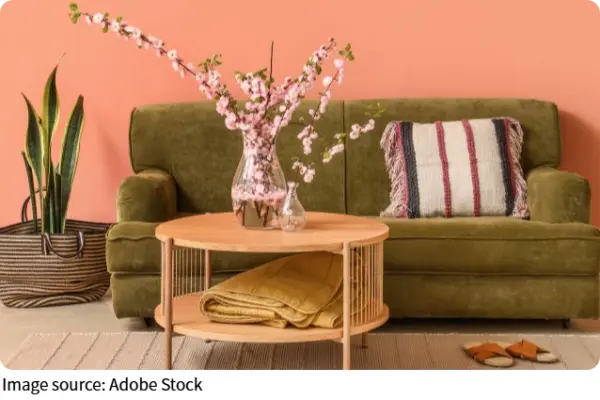
Small Details That Matter
Beyond the surface, details influence long-term satisfaction.
• Stitching quality affects durability
• Cushion filling impacts comfort
• Frame construction supports overall stability
These elements work together with the material to define the sofa's performance.
Comfort That Lasts
The right sofa material doesn't just look good—it adapts to your lifestyle. Whether soft and inviting or structured and refined, it becomes part of your daily routine.
A thoughtful choice ensures that your sofa remains comfortable, visually balanced, and reliable over time, quietly supporting the moments that happen around it.