RideAsia EV: Key Sectors!

Celia
| 23-04-2026
 · Travel team
The transition toward clean and sustainable transportation is no longer a future goal but a present-day priority across the world. Governments, manufacturers, and consumers are increasingly shifting toward electric mobility as concerns about climate change, air pollution, and rising fuel costs continue to grow.
In this context, industry platforms like the RideAsia EV Expo have become important meeting points for innovation, collaboration, and knowledge sharing within the electric vehicle (EV) sector. The expo serves as a comprehensive showcase of the entire EV ecosystem, bringing together companies that work on vehicles, batteries, infrastructure, and essential components under one roof.
By featuring a wide range of industries—from electric two-wheelers to advanced battery technologies—the event provides insight into how rapidly the EV market is evolving. Below are the nine core sectors featured at the expo, each representing a key part of the electric vehicle value chain.
1. Electric Vehicles
Electric vehicles include fully electric cars, buses, and larger transport models designed to replace traditional fuel-based vehicles. These vehicles rely entirely on battery power, which helps reduce greenhouse gas emissions and dependence on fossil fuels. At the expo, manufacturers showcase advancements in range, performance, and safety, demonstrating how EVs are becoming more practical for everyday and commercial use.
2. Electric Scooters
Electric scooters are one of the most widely adopted forms of EVs in urban areas due to their affordability and convenience. They are designed for short-distance travel, making them ideal for daily commuting in crowded cities. Exhibitors often present improvements in battery efficiency, charging speed, and lightweight design to make scooters more accessible to a broader population.
3. Electric Motorcycles
Electric motorcycles focus on higher performance and longer travel range compared to scooters. These vehicles are increasingly popular among riders who want speed and efficiency without relying on fuel. At the expo, companies highlight innovations in motor technology, battery capacity, and smart features such as digital dashboards and connected systems.
4. Lithium Ion Batteries
Lithium-ion batteries are a critical component of modern electric vehicles, providing the energy needed for propulsion and vehicle systems. They are valued for their high energy density, long life cycle, and rechargeability. The expo showcases advancements in battery chemistry, safety improvements, and faster charging capabilities, which are essential for expanding EV adoption.
5. Batteries Manufacturer
Battery manufacturers play a key role in the EV supply chain by producing complete battery packs and energy storage systems. These companies ensure that EVs have reliable and efficient power sources. At the event, manufacturers often present scalable production methods and new technologies aimed at reducing costs while improving performance and sustainability.

6. Powertrain Components
Powertrain components include motors, controllers, and drivetrains that convert electrical energy into motion. These systems are essential for determining how efficiently an EV performs on the road. The expo highlights innovations that improve torque delivery, energy efficiency, and overall vehicle responsiveness, making EVs more competitive with traditional vehicles.
7. Electric Charging Station
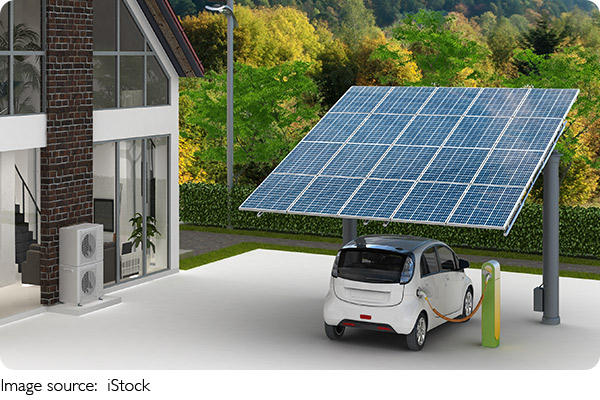
Charging infrastructure is one of the most important factors for EV adoption, as it ensures vehicles can be powered conveniently and efficiently. Charging stations vary from slow home chargers to fast public charging networks. Exhibitors at the expo focus on expanding charging accessibility, reducing charging time, and integrating renewable energy sources into charging systems.
8. EV Components
EV components include a wide range of parts such as electronic control units, vehicle frames, sensors, and wiring systems. These components ensure that electric vehicles operate safely and efficiently. The expo showcases innovations in lightweight materials, smart electronics, and integrated systems that improve vehicle performance and durability.
9. Electric Rickshaws
Electric rickshaws are widely used for short-distance public transportation, especially in densely populated urban and semi-urban areas. They are cost-effective, environmentally friendly, and provide an alternative to traditional fuel-powered three-wheelers. At the expo, manufacturers highlight improvements in battery life, passenger comfort, and operational efficiency, making them an important part of sustainable transport solutions.
The RideAsia EV Expo plays a crucial role in shaping the future of electric mobility by connecting multiple industries within a single ecosystem. Through showcasing innovation in vehicles, batteries, infrastructure, and components, it demonstrates how every sector contributes to building a cleaner transportation future. The event ultimately supports collaboration and awareness, helping accelerate the global shift toward sustainable and energy-efficient mobility systems.