Gluten-Free Bread

Camille Dubois
| 09-05-2026
 · Cate team
Gluten-free bread has a reputation for being dry, crumbly, or just plain bland. But it doesn't have to be that way. With the right ingredients, techniques, and a little patience, you can bake loaves that are soft, flavorful, and satisfying.
It's about understanding what gluten does, and finding ways to replace its structure without losing taste or texture.
Pick the Right Flour Mix
Unlike wheat flour, gluten-free flours behave differently. Combining multiple types gives a more balanced loaf.
1. Use a mix of rice flour, tapioca starch, and almond flour for structure and chew.
2. Add a small portion of oat or sorghum flour for flavor depth.
3. Avoid using only one flour type; it often produces dense, crumbly bread.
Actionable example: For a 500g loaf, try 200g rice flour, 100g tapioca starch, 100g almond flour, and 100g oat flour. This mix gives a soft, springy crumb without being heavy.

Boost Structure With Binders
Gluten gives traditional bread stretch and structure. In gluten-free baking, binders replace this role.
1. Use xanthan gum or guar gum to hold moisture and improve elasticity.
2. Add psyllium husk powder for additional strength and chew.
3. Adjust the amount based on flour type and loaf size.
Actionable example: For a single loaf, add 1 teaspoon of xanthan gum or 1 tablespoon of psyllium husk powder. Mix well with dry ingredients before adding liquids to avoid clumping.
Hydrate Properly for Soft Loaves
Gluten-free flours absorb liquids differently, so hydration is key.
1. Slightly higher liquid content than wheat bread is often needed.
2. Warm water or milk can improve yeast activity.
3. Let the dough rest after mixing so flours fully absorb moisture.
Actionable example: For a 500g flour mix, use 350–380ml of liquid. Mix, then rest for 15 minutes before kneading gently or folding to improve texture.
Mix Gently but Fully
Over-mixing can cause dense bread, while under-mixing leaves lumps.
1. Stir until ingredients are evenly incorporated.
2. Avoid heavy kneading; gluten-free dough behaves more like thick batter.
3. Use a spatula or stand mixer with paddle attachment for even mixing.
Actionable example: After combining all ingredients, scrape the sides and fold twice more to ensure uniform consistency. This helps prevent dry pockets.
Let the Dough Rest and Proof
Proofing times differ because gluten-free dough lacks elasticity.
1. Give dough extra time to rise in a warm, draft-free spot.
2. Cover with a damp cloth or plastic wrap to prevent drying.
3. Look for visual cues: dough should expand visibly and feel slightly puffy.
Actionable example: Let the dough rise for 45–60 minutes, then gently shape it into a loaf pan. Avoid pressing down; the dough is fragile but will bake into a light crumb.
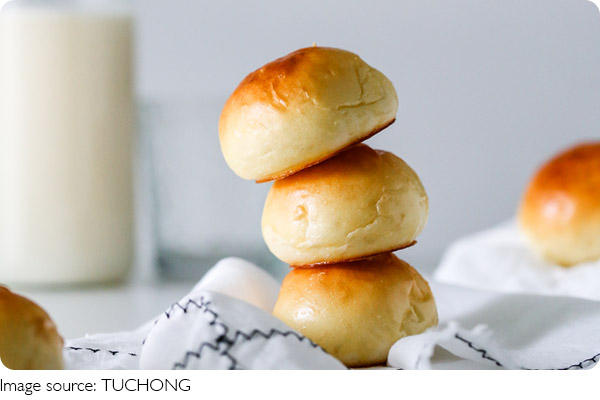
Bake With Steam for Crust and Moisture
Gluten-free loaves can dry out quickly. Steam helps retain moisture and improve oven spring.
1. Preheat the oven fully, placing a shallow dish of water at the bottom.
2. Bake at a moderate temperature, adjusting time for your pan size.
3. Remove steam source halfway if crust browns too quickly.
Actionable example: Bake a standard loaf at 180°C with a small tray of water. Remove the tray after 20 minutes, then continue baking 25–30 minutes. This keeps the interior moist while creating a golden top.
Cool Before Slicing
Cutting too early makes gluten-free bread crumble.
1. Remove the bread from the pan and cool on a wire rack.
2. Wait at least one hour before slicing.
3. Store in a sealed container or bag to maintain freshness.
Actionable example: Use a serrated cutting tool to slice, moving gently back and forth, using gentle sawing motions. This prevents tearing and keeps the crumb intact.
Gluten-free bread baking becomes easier once you understand flour behavior, hydration, and gentle handling. With the right flour mix, binders, and proofing technique, you can create soft, flavorful loaves that satisfy anyone at the table. Each loaf teaches something new, and over time, you'll know exactly how to adjust for taste, texture, and rise—turning what once felt tricky into an enjoyable routine.