Secrets to Fluffy Cakes

Santosh Jha
| 12-05-2026
 · Cate team
There's nothing quite like sinking a fork into a perfectly fluffy cake. It's soft, airy, and melts in your mouth. But achieving that dreamy texture isn't just luck—it's science.
Understanding how ingredients, mixing methods, and baking techniques work together can transform even a simple recipe into a show-stopping cake. Once you grasp the basics, every cake you bake can reach cloud-like perfection.
The Role of Leavening Agents
Leavening agents like baking powder, baking soda, or beaten eggs create gas bubbles that expand during baking, giving cakes their lift. The right balance ensures a cake that rises evenly without collapsing.
1. Measure accurately; even a teaspoon too much can cause sinking.
2. Combine wet and dry ingredients gently to avoid deflating trapped air.
3. Use fresh leavening agents; old powder or soda loses potency.
Actionable example: For a standard 8-inch sponge, mix 1 teaspoon baking powder with 150 grams of flour. Bake immediately after combining with wet ingredients to maximize lift.
Eggs and Air Incorporation
Eggs are more than flavor—they trap air and provide structure. Whipping egg whites or whole eggs properly adds volume and lightness.
1. Ensure no yolk contaminates whites; even a bit of oil prevents peaks.
2. Beat until soft peaks for gentle folding into batter.
3. Fold in carefully using a spatula to keep the air intact.
Actionable example: Separate 3 eggs, beat whites with 30 grams sugar until soft peaks form, then gently fold into a chocolate sponge mixture for airy results.
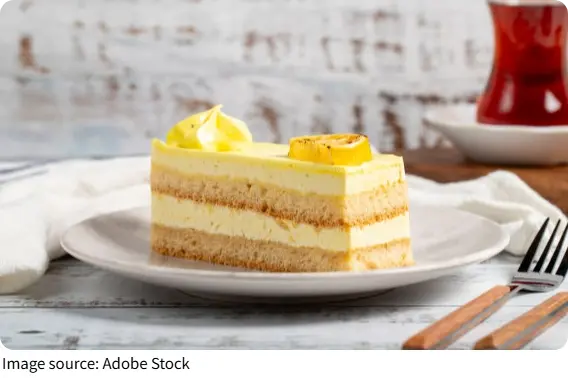
Flour Selection and Mixing
Choosing the right flour and mixing properly prevents dense cakes. Low-protein flours, like cake flour, create tender textures because they form less gluten.
1. Sift flour to remove lumps and incorporate air.
2. Combine wet and dry ingredients in stages to avoid overmixing.
3. Stop mixing when just combined to prevent toughness.
Actionable example: For a 20 cm round cake, sift 200 grams cake flour and fold it gently into the batter in three additions.
Fat's Influence on Texture
Oils—whether butter, margarine, or oil—coats flour proteins, limiting gluten formation and keeping cakes tender. Too much, however, can weigh down the batter.
1. Cream butter and sugar to incorporate air before adding eggs.
2. Use oil for extra moistness in certain recipes like carrot or zucchini cakes.
3. Adjust oil and butter proportion depending on desired crumb: lighter cakes need less, richer cakes slightly more.
Actionable example: Cream 115 grams butter with 100 grams sugar for 3–5 minutes until light and fluffy before adding 2 eggs one at a time.
Temperature and Baking Time
Oven temperature affects how quickly a cake rises and sets. Too hot, and it browns before fully expanding; too cool, and it may collapse.
1. Always preheat the oven fully before placing the cake inside.
2. Use an oven thermometer for precision; many ovens run hotter or cooler than the dial indicates.
3. Test with a skewer: it should come out clean or with just a few moist crumbs.
Actionable example: Bake a vanilla sponge at 175°C for 25–30 minutes, checking at 25 minutes for doneness with a wooden skewer.
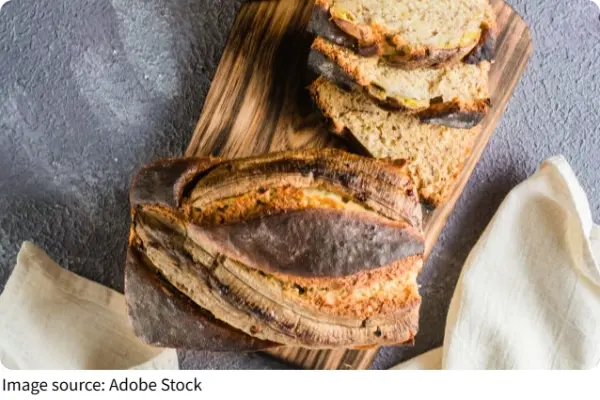
Folding in Add-ins
When adding nuts, chocolate chips, or fruit, folding correctly ensures they don't sink or deflate the batter.
1. Toss add-ins lightly in a small amount of flour to prevent sinking.
2. Fold gently into batter with a spatula using sweeping motions.
3. Avoid overmixing, which can compromise structure.
Actionable example: Coat 100 grams blueberries in a teaspoon of flour, then fold into the batter after all other ingredients are combined.
Resting and Cooling
Allowing a cake to cool gradually preserves its airy texture and prevents it from becoming soggy or dense.
1. Let the cake rest in the pan for 5–10 minutes before unmolding.
2. Cool on a wire rack to allow air circulation.
3. Avoid covering while hot; condensation can affect texture.
Actionable example: Remove a 20 cm sponge from the pan after 7 minutes, transfer to a wire rack, and let cool completely before frosting.
Fluffy cakes aren't a mystery—they're the result of understanding how each ingredient interacts and how gentle technique preserves delicate structures. Mastering eggs, flour, oils and butters, and temperature turns every baking session into a chance for perfection. Next time you whisk, fold, and bake, remember that the soft, cloud-like cake waiting for the first bite is as much science as it is joy.