Safest Car Color

Elena Rossi
| 22-04-2026
 · Automobile team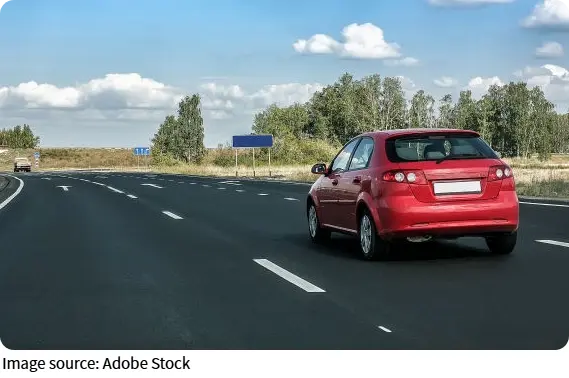
A car's color is not just a style choice. It can affect how easy the vehicle is to notice in traffic, especially in low light, rain, or busy urban settings.
Research and safety discussions commonly point to lighter and brighter colors as easier to see, while darker colors can blend more into the road or background.
The practical idea is simple: the more visible your car is, the less likely it is to be overlooked by others.
White is often described as the safest color because it stands out well in daylight and in many mixed-light conditions. Yellow also performs strongly because it is highly noticeable and visually “advancing,” meaning it appears closer and more attention-grabbing. Some sources also place red among the more visible choices, especially compared with dark shades.
Colors That Stand Out
If you want a color that supports visibility, the strongest candidates are usually white, yellow, and other light bright tones. These colors reflect more light and are easier for other drivers to pick out at a glance. That matters in parking lots, intersections, and roads with heavy traffic where a split-second of recognition can help.
Black, dark gray, and deep blue tend to be less visible in dim conditions. Reports cited in the search results note higher accident risk for black cars compared with white ones, especially around dusk, dawn, and other low-light periods. The exact numbers vary by study, but the overall pattern is consistent: darker cars are harder to see.
Safety Is More Than Paint
Car color is only one part of safety. Headlights, brake lights, reflective trim, road speed, driver behavior, weather, and maintenance all matter much more in the real world. A bright car can still be involved in a crash if the driver is distracted or road conditions are poor.
That is why the best answer is not “the perfect color,” but “the most visible color combined with safe habits.” Clean headlights, working taillights, and careful lane discipline do more than color alone. Still, choosing a brighter shade can give you a small but useful visibility advantage.
Practical Buying Tips
When choosing a color, think about where and when you drive most often. If you frequently drive before sunrise, after sunset, or in weather with reduced visibility, a light or bright shade makes practical sense. If you mainly care about style, you can still lean toward a safer color family without giving up a clean look.
• Choose white or yellow if visibility is your top priority.
• Avoid dark shades if you often drive in low light.
• Keep the car clean so its color stays easy to notice.
• Make sure lights and reflectors are always in good condition.
These habits work together. A visible color helps, but a well-kept vehicle helps even more.

If you want the safest color in a simple sense, white is usually the strongest all-around choice, with yellow close behind in many visibility-focused discussions. Dark colors look sleek, but they are generally less conspicuous on the road. In the end, the safest color is the one that helps your car be seen quickly and clearly in the environments where you drive most.