Classic Car Value

Nolan O'Connor
| 22-04-2026
 · Automobile team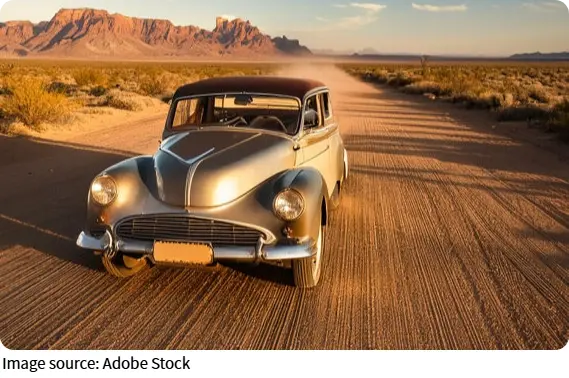
A classic car doesn't feel like a typical vehicle. The moment you see one, there is a sense of presence—long lines, polished surfaces, and details that modern designs rarely emphasize.
Models like the Ford Mustang or the Porsche 911 are not just transportation tools; they represent a specific era of design and engineering.
What makes them valuable is not simply age. It is the combination of rarity, craftsmanship, and cultural meaning that builds long-term appeal.
Limited Numbers Create Scarcity
Unlike modern vehicles produced in large volumes, many classic cars were built in relatively small numbers. Over time, that number decreases due to wear, neglect, or parts scarcity.
• Fewer surviving units increase demand among collectors
• Original-condition cars are especially rare
• Limited editions or special trims gain higher attention
Scarcity is one of the strongest drivers of value. When supply drops but interest remains steady, prices naturally rise.
Design That Stands Apart
Classic cars often feature bold and recognizable styling. Designers were less restricted by modern efficiency rules, allowing more expressive shapes and details.
You will notice:
• Long hoods and sharp lines
• Chrome accents and handcrafted interiors
• Distinct front grilles and lighting designs
These visual elements give each model a clear identity. Even without seeing a logo, many enthusiasts can identify the model instantly.
Mechanical Simplicity and Character
Older vehicles are built with more mechanical simplicity compared to modern cars filled with electronic systems. This simplicity creates a different kind of driving experience.
• Direct steering feedback
• Clear engine response without digital filtering
• Easier access for repairs and restoration
For collectors, this mechanical honesty adds value. The car feels more “alive,” with every movement directly connected to the driver's input.
Historical and Cultural Significance
Many classic cars are tied to specific cultural moments. They may appear in films, represent a design trend, or symbolize a shift in automotive technology.
For example, the Chevrolet Corvette became a symbol of performance and style in its time. These associations add emotional and historical layers to the vehicle's value.
Owning such a car is not just ownership—it is participation in a larger story.
Investment Potential
Classic cars are increasingly seen as alternative investments. While not every model appreciates, certain categories have shown steady value growth.
• Entry-level classics: $10,000–$25,000
• Mid-tier collector cars: $25,000–$80,000
• Rare or iconic models: $80,000–$300,000+
Condition, originality, and documentation heavily influence pricing. A well-preserved car with matching parts and records can be worth significantly more than a restored one with non-original components.
Maintenance and Ownership Reality
Owning a classic car requires commitment. Parts may be harder to find, and maintenance can be more frequent.
Key considerations:
• Storage to protect from weather damage
• Regular mechanical checks
• Access to specialized repair knowledge
Annual maintenance costs can range from $500 to $2,000+, depending on condition and usage.
Final Reflection
Classic cars hold value because they offer something modern vehicles rarely do—a clear identity shaped by time, design freedom, and mechanical character. They are not just machines; they are preserved moments of innovation and style.
As years pass, their rarity increases, their stories deepen, and their appeal grows stronger. That is why, for many collectors, a classic car is not just an asset—it is a lasting connection to a different era of driving.