Higher & Confident

Darius
| 22-04-2026
 · Automobile team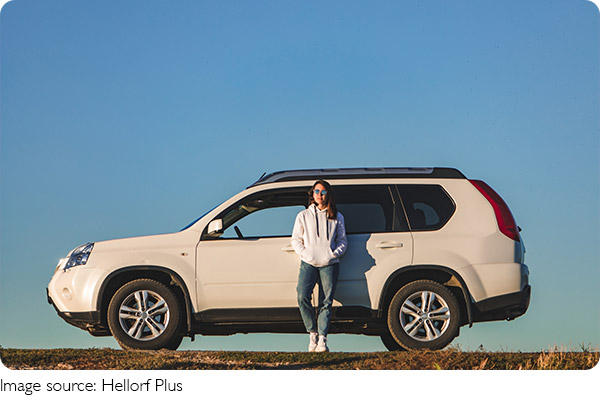
You sit higher than most cars, with a wider view of the road ahead. That simple change in perspective is often the first reason drivers are drawn to an SUV.
From compact city models to larger vehicles like the Toyota RAV4 or Ford Explorer, the experience feels more commanding and confident.
It is not just about appearance. The driving position changes how people interact with traffic, visibility, and space around them.
Space That Fits Real Life
One of the strongest reasons for SUV popularity is practicality. Modern life requires flexibility, and SUVs are designed to handle multiple roles in a single vehicle.
1. Larger cargo area for luggage, equipment, or shopping
2. Flexible rear seating that can fold for extra space
3. Higher roof design improves headroom comfort
4. Easier access for passengers of different ages
This combination makes SUVs suitable for both daily commuting and longer trips without needing different vehicles.
Comfort on Different Roads
Road conditions vary widely, and SUVs are built to handle that variation more smoothly than smaller vehicles.
Their suspension systems are tuned to absorb uneven surfaces, making rides feel more stable on rough pavement or long highway drives. Higher ground clearance also helps when dealing with potholes, gravel roads, or light off-road conditions.
While not all SUVs are designed for extreme terrain, the general structure provides a sense of stability across different environments.
Safety Perception and Structure
Many drivers associate SUVs with safety, partly due to their size and driving position. A higher seating level allows better visibility of surrounding traffic, which helps with anticipation and reaction.
In addition, the larger body structure often includes reinforced frames and modern safety systems such as lane assistance and collision warning technologies.
However, safety still depends on driving behavior, not just vehicle size. Proper control and awareness remain essential in all conditions.
Performance That Fits Everyday Use
SUVs are not purely utility vehicles anymore. Modern designs balance performance with efficiency. Many models now include turbocharged engines or hybrid systems to improve fuel consumption without sacrificing power.
Compared to traditional larger vehicles, today's SUVs offer:
• More responsive acceleration
• Improved fuel efficiency systems
• Better handling stability at highway speeds
This balance makes them suitable for both city driving and longer journeys.
All-Weather Capability
Another reason for SUV popularity is adaptability across seasons and weather conditions. Many models come with optional all-wheel drive systems that improve traction on wet, snowy, or loose surfaces.
This capability provides confidence in changing environments without requiring specialized vehicles. For drivers in regions with varied weather, this flexibility is a major advantage.
Price Range and Market Options
SUVs are available across a wide price spectrum, making them accessible to different types of buyers.
• Entry-level compact SUVs: $25,000–$35,000
• Mid-range SUVs: $35,000–$50,000
• Premium or luxury SUVs: $50,000–$80,000+
This variety allows buyers to choose based on budget, size preference, and feature requirements without leaving the category entirely.
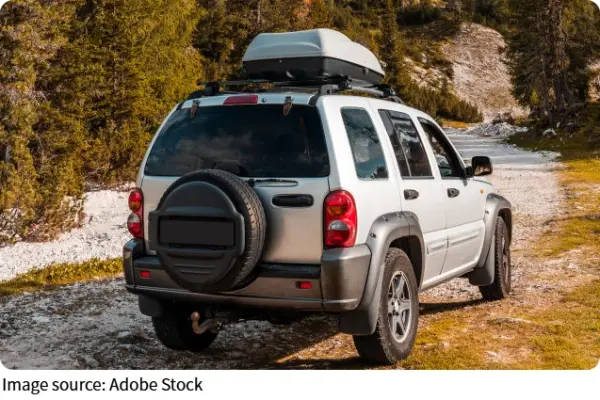
SUV popularity comes from a combination of practical design, comfort, visibility, and adaptability. They are not defined by a single feature but by how well they integrate multiple needs into one platform.
From daily commuting to longer journeys, SUVs offer a balanced experience that fits a wide range of driving situations. That versatility is what continues to keep them at the center of modern automotive choices.