Quiet Cabin, Calm Drive

Mason O'Donnell
| 22-04-2026
 · Automobile team
There's nothing quite like the relief of a quiet car after a hectic day.
The hum of traffic fades, music sounds crisper, and even short commutes feel less stressful.
Achieving a serene driving environment isn't about fancy gadgets—it's about small adjustments and mindful habits that block unwanted noise and keep the cabin calm.
With a few practical techniques, your car can become a private retreat on wheels.
1. Seal Gaps and Reduce Wind Noise
Wind noise sneaking in through doors or windows is one of the biggest culprits in a noisy cabin. Proper sealing can make a dramatic difference.
Tips:
Check door and window seals for cracks or worn areas. Replace any damaged rubber strips.
Ensure windows are fully closed before hitting the highway.
Add foam or weatherstripping to areas that leak air if the car is older.
Actionable example: One driver noticed a whistling sound at highway speeds. After replacing the worn seals around his driver-side door, the cabin became noticeably quieter, making long drives more comfortable.
2. Upgrade Your Tires and Maintain Them
Tires aren't just for traction—they impact noise levels significantly. Worn or hard tires often transmit road noise directly into the cabin.
Step-by-step guidance:
Choose tires labeled for “low road noise” or touring tires designed for comfort.
Maintain proper tire pressure; overinflated or underinflated tires increase vibration and noise.
Rotate tires regularly to ensure even wear and consistent noise levels.
Actionable example: A commuter switched to touring tires and immediately noticed less rumble on rough streets. Even on gravel roads, the cabin felt smoother and quieter.
3. Use Floor Mats and Sound-Absorbing Materials
Simple interior additions can significantly reduce ambient noise.
Practical tips:
Thick rubber or carpeted floor mats dampen vibration and absorb sound.
Consider adding sound-dampening mats under the carpet or inside door panels for older cars.
Keep mats clean and flat to avoid rattling.
Actionable example: One driver installed extra padding under the rear seats. The constant hum from the back tires diminished, making the interior feel calmer even on busy streets.
4. Maintain Engine and Exhaust Systems
A noisy engine or exhaust doesn't just disturb the cabin—it also increases stress while driving.
Step-by-step:
Regularly check for loose or worn exhaust components.
Keep engine mounts in good condition to reduce vibration.
Perform routine engine maintenance, including oil changes and filter replacements, to prevent rattles.
Actionable example: A driver replaced an aging muffler and tightened the engine mounts. The cabin immediately felt quieter, and music no longer competed with mechanical noise.
5. Control Cabin Noise with Smart Driving Habits
How you drive also affects interior sound levels.
Tips:
Avoid excessive speeding or sudden lane changes; smooth driving reduces vibration and road noise.
Keep windows closed at high speeds; roll them down only when parked or at low speeds.
Reduce loose objects that rattle during acceleration or braking.
Actionable example: One commuter realized that even minor habits, like securing a water bottle in a cup holder, reduced constant clattering that had added to the cabin noise.
6. Use Ambient Features to Mask Unwanted Sound
Sometimes, subtle background noise can make the cabin feel calmer by reducing the perception of harsh sounds.
Suggestions:
Soft background music or white noise can mask low-level road hum.
Noise-canceling headrests or Bluetooth speakers with ambient sound tracks enhance relaxation.
Avoid blasting audio, as loud sounds can make small rattles more noticeable.
Actionable example: A driver played soft instrumental tracks during city commutes. The combination of music and sealed doors made morning drives feel surprisingly calm and stress-free.
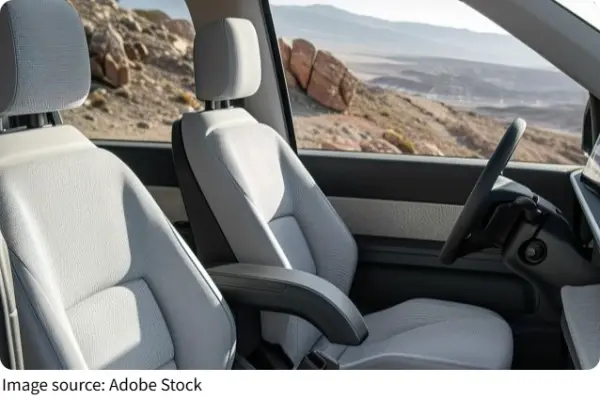
A quiet car cabin isn't a luxury—it's an achievable comfort that transforms every commute. By sealing gaps, upgrading tires, adding sound-absorbing materials, maintaining engine components, adopting mindful driving habits, and using gentle ambient sounds, your car can become a peaceful retreat. Even small steps, like tightening loose items or swapping floor mats, add up to a calmer, more enjoyable drive.