Wet Ride Care

Darius
| 22-04-2026
 · Automobile team
Riding through rain can be exhilarating, but it leaves a bike coated in grime, mud, and water spots. Skipping a proper cleanup can lead to corrosion, rust, and reduced performance over time.
A little attention after every wet ride preserves your bike's finish, ensures mechanical parts stay smooth, and keeps it safe on the road.
With a structured approach, even a quick post-rain wash can make a big difference.
Rinse Off Loose Dirt and Debris
The first step is removing dirt, mud, and road salt before it scratches paint or corrodes metal.
Step-by-step:
Use a gentle hose spray or pressure washer on a low setting to avoid damaging delicate parts.
Start from the top and work downward so dirt flows away naturally.
Avoid directing high-pressure water at sensitive areas like the chain, bearings, or electrical connections.
Actionable example: A rider discovered that a quick rinse immediately after a downpour removed mud from wheel spokes and fenders, preventing stubborn grime from hardening overnight.
Clean the Chain and Drivetrain
Chains and sprockets are highly susceptible to rust when exposed to water and dirt. Proper cleaning prevents wear and ensures smooth rides.
Tips:
Use a motorcycle-specific chain cleaner or mild degreaser.
Scrub gently with a soft brush to remove grit lodged in the links.
Dry thoroughly and apply fresh chain lubricant afterward.
Actionable example: One rider keeps a small chain cleaning brush in the garage. After a rainy commute, it takes just five minutes to scrub off grime and apply oil, extending the chain's lifespan by months.
Wash the Body Panels and Wheels
Paint and wheels collect water spots and grime that can damage finishes if left too long.
Step-by-step guidance:
Use a bucket of warm soapy water and a microfiber sponge to wash panels gently.
Rinse frequently to prevent soap from drying on the surface.
Wheels often accumulate brake dust and dirt; a separate brush or sponge helps avoid cross-contamination.
Actionable example: A commuter noticed water spots on black panels fading the finish. After switching to microfiber towels and separate sponges for body and wheels, the bike stayed glossy longer.
Dry Thoroughly to Prevent Rust
Water left on metal surfaces accelerates corrosion, especially on bolts, exhausts, and frames.
Tips:
Use a soft microfiber towel to blot water rather than wiping aggressively.
Pay attention to hidden areas like under the seat, around the fender, and in crevices.
Compressed air or a leaf blower can help remove water from hard-to-reach spots.
Actionable example: One rider discovered a small rust patch on a rear fender after leaving the bike wet overnight. Now, he dries the bike completely, even using a hairdryer on low for tight spots.
Inspect Brakes and Lights
Rain can reduce braking efficiency and obscure lenses. Post-ride inspection ensures safety isn't compromised.
Practical steps:
Check brake pads and discs for debris or excess water.
Test lights and indicators for clarity and proper function.
Wipe mirrors and lenses with a soft cloth to maintain visibility.
Actionable example: A commuter wiped down headlight lenses after a storm. The difference in brightness was noticeable, improving night rides significantly.
Apply Protective Coatings
Protecting exposed surfaces reduces future cleaning needs and shields against corrosion.
Tips:
Use a spray-on wax or polish for body panels to repel water.
Apply anti-rust treatment to bolts, chain, and metal parts.
Consider a water-repellent treatment for seats and plastic surfaces.
Actionable example:One rider noticed rain beading on freshly waxed panels, carrying dirt away with droplets. A quick post-ride wipe kept the bike cleaner for days.
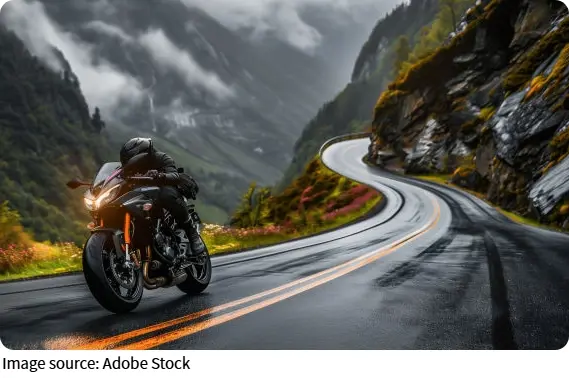
Regular post-rain care isn't just about looks—it's about longevity, safety, and performance. By rinsing dirt, cleaning the chain, washing panels, drying thoroughly, inspecting brakes and lights, and applying protective coatings, your bike stays reliable and road-ready.
Even a ten-minute routine after each wet ride makes a noticeable difference, keeping your motorcycle smooth, shiny, and safe for every journey.