Smart Cars Transform Traffic

Ethan Sullivan
| 22-04-2026
 · Automobile team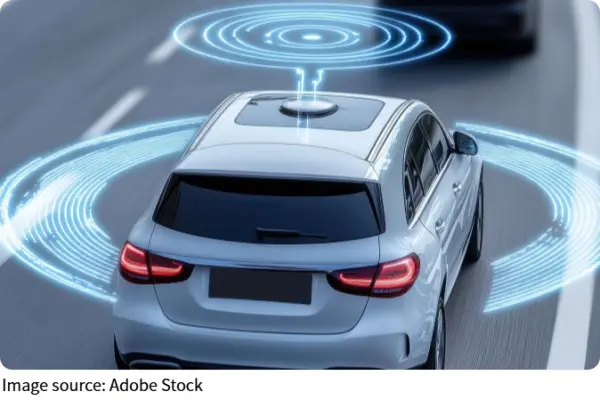
Gridlocked streets are a frustration most drivers know too well. But imagine if your car could “talk” to the city and other vehicles, predicting traffic snarls, suggesting faster routes, and even reducing accidents before they happen.
Smart cars, powered by cloud computing and big data, are turning that vision into reality.
These technologies not only enhance individual driving experiences but also optimize overall traffic management in real time.
1. Real-Time Traffic Monitoring
Smart cars constantly generate data on speed, location, and road conditions. When aggregated in the cloud, this information provides a live picture of traffic flow. Cities can use this data to identify congestion points and adjust traffic signals dynamically.
Practical tips:
Integrate smart car data with city traffic control systems for adaptive signal timing.
Use predictive algorithms to anticipate traffic build-ups before they occur.
Share anonymized traffic information with navigation apps to optimize routes.
Actionable example: In a mid-sized city, traffic authorities connect smart car data to traffic lights. When sensors detect a sudden slowdown on a main street, the system extends green lights on alternate routes to relieve congestion, reducing overall commute time by 12%.
2. Predictive Route Optimization
Big data analytics can forecast traffic patterns based on historical trends, weather, and special events. Smart cars can then use this information to suggest the fastest routes or even adjust departure times to avoid delays.
Practical tips:
Incorporate weather forecasts to adjust routing in advance of rain or snow.
Factor in event schedules, like concerts or sports games, to predict peak traffic.
Continuously update route recommendations as new data comes in.
Actionable example: A smart car app recommends leaving 15 minutes earlier on a rainy morning after analyzing past traffic slowdowns during similar conditions. The driver avoids a bottleneck and maintains an average speed 20% higher than usual.
3. Enhancing Road Safety
Cloud-based systems and connected vehicles can detect accidents, hazardous conditions, or sudden stops in real time. Sharing this information allows other cars to respond quickly, reducing secondary collisions.
Practical tips:
Equip smart cars with collision sensors that communicate incidents immediately.
Notify nearby vehicles and traffic management centers instantly.
Use predictive analytics to flag dangerous road segments for driver alerts.
Actionable example: A vehicle detects ice patches on a bridge and instantly sends alerts to surrounding smart cars. Other drivers slow down, avoiding potential accidents, and traffic flow remains steady without emergency disruptions.
4. Reducing Environmental Impact
Optimized traffic flow reduces unnecessary idling and stop-and-go driving, lowering emissions and fuel consumption. Smart cars and cloud analytics together contribute to greener, more sustainable transportation systems.
Practical tips:
Prioritize route planning that minimizes stop-and-go conditions.
Encourage eco-driving through in-car analytics and feedback.
Track city-wide emissions to identify and manage pollution hotspots.
Actionable example: A fleet of smart taxis follows cloud-recommended routes during peak hours. Average idling time drops by 25%, cutting emissions significantly while improving pickup efficiency.
5. Data-Driven Infrastructure Planning
The data collected from smart cars can guide long-term decisions on road expansions, public transport planning, and traffic management policies. Governments and urban planners gain insights into where improvements are most needed.
Practical tips:
Aggregate vehicle data to identify recurring congestion points.
Use analytics to decide where to add lanes, traffic lights, or pedestrian crossings.
Simulate potential infrastructure changes using historical traffic data before implementation.
Actionable example: City planners analyze six months of smart car data and discover consistent slowdowns at a key intersection. They add an additional turn lane and adjust signal timing, cutting average wait times by 40% during rush hours.
The Future of Connected Mobility
The combination of smart cars, cloud computing, and big data is only just beginning to reshape transportation. As more vehicles become connected and data-sharing improves, traffic systems will become increasingly proactive, predictive, and efficient.
Future-oriented tips:
Encourage vehicle-to-infrastructure communication to improve city-wide coordination.
Develop apps that provide drivers with real-time, personalized traffic insights.
Support policies that standardize data-sharing across manufacturers for a unified network.
Actionable example: A regional smart car network integrates multiple manufacturers' vehicles, sharing traffic and road condition data. Drivers receive dynamic updates, avoid congestion, and the city reduces overall travel times by nearly 15%.
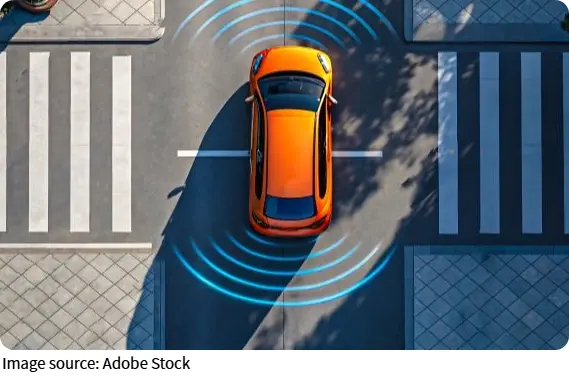
Smart cars, cloud computing, and big data are transforming how we navigate cities. Beyond individual convenience, these technologies are creating safer, faster, and greener roads. With every connected vehicle, the system becomes smarter, making traffic jams, accidents, and wasted fuel a problem of the past.