Ride Safer with Smart Gear

Chris Isidore
| 22-04-2026
 · Automobile team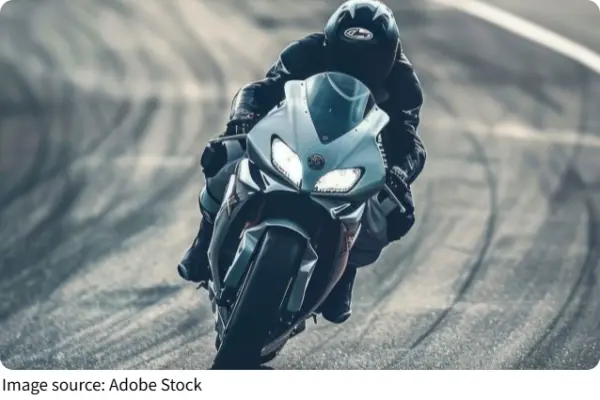
The thrill of the open road comes with a hidden risk. One second, you're leaning into a turn, feeling unstoppable; the next, a small mistake can turn into a painful accident.
Most riders focus on their bike, tires, or speed, but your clothing can be your first line of defense.
The right gear isn't just about style—it's about protection, visibility, and comfort.
Choosing Impact-Resistant Jackets
Jackets are more than just windbreakers—they're essential safety tools. A good jacket protects key areas like your shoulders, elbows, and back from abrasions and impact.
Tips for picking the right jacket:
• Look for CE-rated padding or removable protective inserts for critical points.
• Materials like reinforced textiles or leather offer abrasion resistance while allowing flexibility.
• Ensure a snug fit that won't shift in a crash but still allows comfortable movement.
Actionable example: Try leaning forward and simulating braking while wearing the jacket. Make sure the shoulder pads stay in place and the elbows aren't pinching. This simple test can prevent your protective padding from moving out of place during real rides.
Protective Pants and Reinforced Gear
Lower-body injuries are surprisingly common among riders. Pants designed for riding can reduce the risk of scrapes, fractures, and road rash.
Key points:
• Reinforced areas on hips and knees help absorb impacts.
• Stretch panels improve mobility without sacrificing protection.
• Some pants come with built-in or removable knee sliders for extra security during aggressive riding.
Actionable tip: Test the pants by squatting and simulating turns. Make sure the padding doesn't bunch up and that movement feels natural. Pants that restrict motion can lead to awkward falls.
Gloves: More Than a Grip
Hands are often overlooked but can suffer severe injuries in a fall. Riding gloves shield your knuckles, palms, and fingers while maintaining tactile control.
Important features:
• Hard knuckle protection and reinforced palms can prevent fractures.
• Materials should be durable yet flexible—like leather with textile panels.
• Long cuffs that tuck into your jacket prevent wind and debris from entering.
Actionable example: Practice braking and gear shifting while wearing gloves. You should be able to reach all controls easily. Gloves that impede your grip can actually increase the risk of accidents.
Boots That Guard and Support
Footwear is often underestimated. Regular shoes can fail to protect ankles, shins, and toes during a crash. Riding boots are specifically designed to address these risks.
Look for:
• Reinforced toes, heels, and ankle support.
• Slip-resistant soles for both riding and walking.
• Comfortable yet sturdy construction for long rides.
Actionable tip: Walk around in your boots before hitting the road. Make sure the soles grip well on pavement and that your ankle feels supported. A stiff, well-fitted boot can prevent twisted ankles and provide leverage for quick maneuvers.
High-Visibility and Weather-Ready Gear
Protection isn't only about impact—it's about being seen and staying comfortable in changing conditions. Bright colors, reflective panels, and weatherproof layers increase safety.
Practical steps:
• Add reflective strips to jackets or helmets for night riding.
• Choose waterproof layers that don't compromise mobility.
• Layering allows you to adjust for temperature without sacrificing protection.
Actionable example: Ride during low-light conditions with reflective gear and note how easily other drivers can spot you. Even a small increase in visibility can prevent accidents.
Integrating All Gear into a Safety Routine
Wearing the right clothing is only effective when it becomes part of your riding habit. Treat your protective layers as essential as your helmet.
How to make it routine:
• Gear up every ride, even short trips.
• Regularly inspect your protective layers for wear, tears, or padding shifts.
• Combine gear with defensive riding techniques for maximum protection.
One rider shared that after consistently using reinforced jackets, gloves, and boots, he felt more confident and noticed fewer minor scrapes during small slips. Protective clothing isn't just a backup—it's an extension of your control and awareness on the bike.
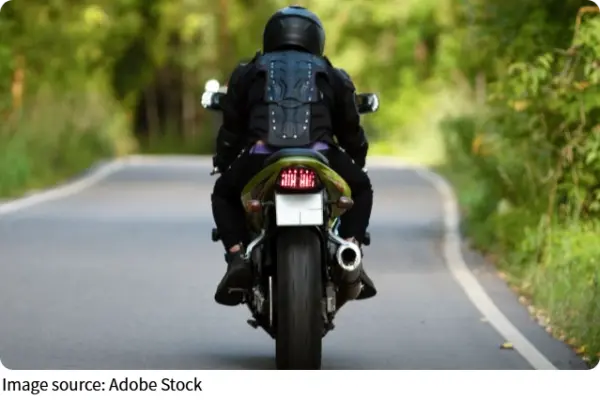
Investing time and money into quality motorcycle clothing doesn't just protect your body—it enhances every ride. With the right combination of jackets, pants, gloves, boots, and visibility features, you're better equipped to handle the unexpected and enjoy the thrill with confidence.