Bangkok Food Trends

Declan Kennedy
| 14-05-2026
 · Cate team
Bangkok has always been one of the most exciting cities in the world for food lovers. Walk down almost any street and you'll find something delicious—street snacks, creative fusion dishes, and restaurants experimenting with bold new ideas. But every year, the food scene evolves a little more.
So what will visitors be eating in Bangkok in 2026? To find out, a group of chefs and food insiders were asked a simple question: which ingredients are about to dominate the city's kitchens? Interestingly, many of them shared very similar answers.
Wellness-focused cooking is becoming more important, Japanese culinary techniques continue to inspire chefs, and locally sourced ingredients are gaining more attention than ever before.
There are even some adventurous ingredients entering the conversation. From fermented staples to unique regional produce, the food trends shaping Bangkok in 2026 are both exciting and surprisingly thoughtful. Let's take a closer look at what might soon appear on your plate.
Japanese Influence in More Ways Than One
Japanese cuisine has been quietly influencing Bangkok's dining scene for years, but its impact has become even more noticeable recently. Looking back at 2025, several popular food trends in the city had strong Japanese roots. One example was shio pan, a buttery salted bread that drew long lines outside bakeries. Sushi hand rolls also became a favorite choice for casual meals.
Beyond these popular dishes, chefs are now embracing Japanese culinary philosophy and techniques. This means focusing on umami-rich ingredients, careful fermentation methods, and simple preparations that highlight natural flavor.
Koji – Chefs are experimenting with different ways to cultivate and use this fermentation starter to create deeper flavor.
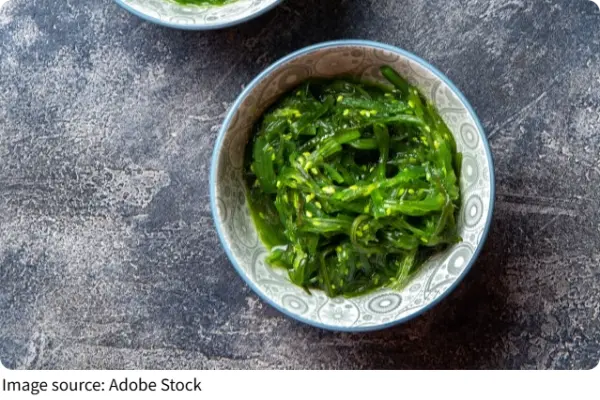
Seaweed – Sea vegetables are increasingly treated as main ingredients thanks to their natural umami and nutritional value.
Kombu – This ingredient adds depth to soups, broths, and sauces while bringing a clean, savory taste.
Fermentation and Health Food Rooted in Tradition
Another major food trend in 2026 revolves around wellness. More diners are thinking about how food affects their bodies, especially when it comes to digestion and long-term health.
Because of this, fermented foods are getting renewed attention. These traditional ingredients are valued not only for their bold flavors but also for their benefits to gut health.
Kimchi – This fermented vegetable dish is rich in probiotics and fiber, making it both flavorful and nutritious.
Simple, Home-Grown Ingredients
As diners become more conscious about health and sustainability, there's also a growing appreciation for simple, locally grown ingredients. Instead of relying on complicated recipes, many chefs are letting seasonal produce take center stage.
Thailand produces a wide range of high-quality ingredients, and restaurants are finding creative ways to highlight them.
Tomatoes – Whether roasted, grilled, or served fresh, tomatoes are gaining attention for their versatility and natural sweetness.
Thai Single-Origin Chocolate – Locally grown cacao is becoming increasingly popular, especially in desserts that showcase its unique regional flavor.
Tea Becomes a Star Ingredient
Tea has long been an important part of Asian food culture, but in 2026 it's taking on an even bigger role in modern kitchens. Instead of being used only as a beverage, chefs are incorporating tea into desserts, sauces, and creative dishes.
The reason is simple: tea offers layers of flavor without overpowering other ingredients. It can add bitterness, earthiness, or subtle sweetness depending on how it's used.
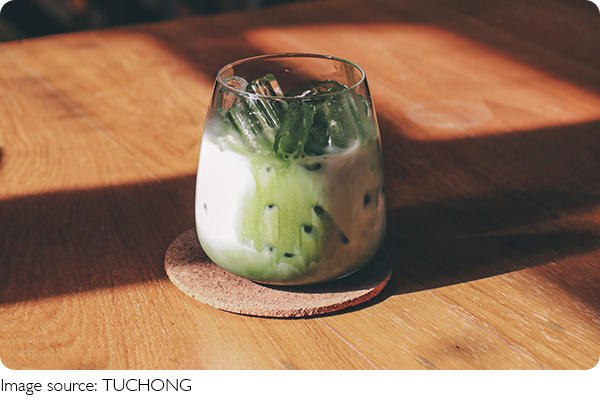
Tea – Different varieties of tea can add depth and complexity to recipes while keeping flavors balanced.
Matcha – This vibrant green powder continues to gain popularity thanks to its rich taste and antioxidant properties.
Loco for Local
Local ingredients are becoming a central theme in Bangkok's evolving food culture. Farmers across Thailand are experimenting with new crops and improving traditional varieties, giving chefs more options than ever before.
This growing agricultural diversity means restaurants can showcase ingredients that truly represent the region.
Local Berries and Botanicals – Some farms are now producing berries and herbs that were rarely grown in Thailand before, opening new possibilities in the kitchen.
Regional Specialties – Unique ingredients from specific provinces are inspiring chefs to create dishes that highlight Thailand's diverse landscapes.
Subterranean Ants – While unusual, these ants are considered a delicacy in some areas and are beginning to appear in experimental dishes.
Fermentation and Thoughtful Flavor
As chefs continue exploring fermentation, they are also finding new ways to bring depth and balance into dishes. Instead of relying on heavy seasoning, they are turning to traditional pantry ingredients that add subtle complexity.
These ingredients work almost like seasoning tools, helping chefs enhance flavors without overwhelming them.
Soy Sauce – Used carefully, soy sauce adds saltiness and umami to many modern recipes.
Miso – This fermented paste contributes richness and depth to soups, sauces, and marinades.
Koji – Fermented grains like koji are helping chefs unlock deeper flavors in both traditional and modern dishes.
Bangkok's food scene has always thrived on creativity and experimentation, and 2026 looks set to continue that tradition. With a strong focus on wellness, fermentation, Japanese techniques, and local produce, the city's kitchens are exploring exciting new directions.
For travelers, that simply means one thing: every meal in Bangkok has the potential to surprise you. Whether you're visiting a small neighborhood restaurant or a popular dining spot, the flavors of 2026 will likely tell a story of tradition, innovation, and the rich ingredients that make Thai cuisine so special.