Kaiseki Rising

Priya
| 21-04-2026
 · Cate team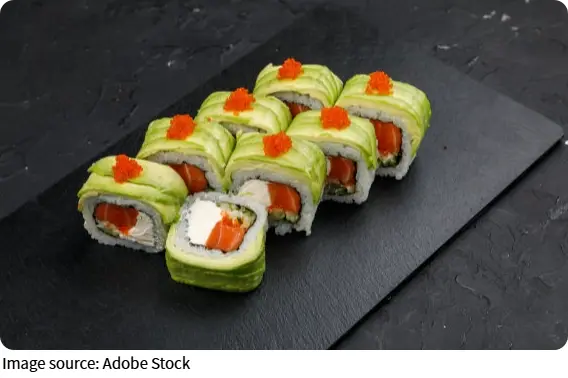
For years, omakase ruled New York's Japanese dining scene.
Patrons in blazers at high-end sushi counters spent hundreds per person, savoring precise cuts of raw fish while documenting the experience on social media.
But the city's most discerning diners are turning their attention to something older, subtler, and far more intricate: kaiseki.
From Omakase to Kaiseki
While omakase showcases improvisation and raw fish mastery, kaiseki is structured, refined, and deeply philosophical. Originating in 16th-century Kyoto, it merges Buddhist temple cuisine, imperial banquets, and tea ceremony traditions. Kaiseki meals are a journey, not a single highlight, emphasizing balance, seasonality, and restraint.
New York's kaiseki scene is flourishing. Muku in TriBeCa and Yamada in Chinatown have earned Michelin recognition, while Yoshoku at the Waldorf Astoria and Jō in Midtown offer intimate, carefully curated counters. Even established chefs like Hiroki Odo are expanding with kaiseki-inspired concepts.
What a Kaiseki Meal Entails
A traditional kaiseki meal unfolds across multiple courses:
1. Sakizuke: Amuse-bouche to awaken the palate.
2. Suimono: Clear soup setting the tone.
3. Sashimi: Carefully selected raw fish, complemented by cooked dishes.
4. Yakimono: Grilled delicacies.
5. Mushimono: Steamed preparations.
6. Nimono: Simmered ingredients.
7. Rice and sweets: A comforting finish with tea.
Beyond technique, every detail—from selecting antique bowls to using ingredients at their seasonal peak—reflects omotenashi, the Japanese art of anticipating a guest's needs.
Mastery and Ingredient Focus
Kaiseki chefs devote years to perfecting techniques that seem effortless. At Yamada, hamo (pike conger) is meticulously prepared with hundreds of tiny cuts to create delicate textures. Kappo Sono showcases soft shell turtle simmered with broth and kelp, introducing diners to ingredients rarely seen outside Japan.
Philosophy and Restraint
At its core, kaiseki is about humility and letting ingredients shine. Chef Manabu Asanuma explains that restraint—knowing when not to interfere—is central to the craft. Even the simplest dish, like rice cooked in a traditional ceramic vessel, becomes the emotional anchor of the meal, connecting guests to comfort and tradition.
Kaiseki Meets New York
While grounded in Japanese tradition, New York's kaiseki reflects the city's diversity. Chefs source local ingredients from markets like Union Square, incorporating apples, ramps, and even blue cheese, creating a dialogue between Japanese technique and regional produce. Each restaurant offers a unique interpretation: Yamada emphasizes classical refinement, Muku highlights museum-quality presentation, and Sono blends four decades of NYC influence into the cuisine.
Why It Matters
Kaiseki is more than a meal—it's culture, history, and art on a plate. In a dining landscape often dominated by status and spectacle, it encourages slowing down, appreciating seasonality, and savoring the craft behind each course. For New Yorkers seeking depth and nuance, kaiseki is the reservation worth securing.
This isn't just dining—it's a transformative experience that challenges assumptions about Japanese cuisine, proving that sophistication and mindfulness can coexist beautifully on every plate.