Winter Hiking Essentials

Samir
| 27-04-2026
 · Travel team
Winter hiking can be one of the most rewarding outdoor experiences. The crisp air, the solitude of snow-covered trails, and the beauty of the landscape in its winter glory make it a must-do activity for any avid hiker.
But, to truly enjoy it and stay safe, the right gear is crucial. Here's a guide to what you need for your next winter hike.
1. Warm, Moisture-Wicking Clothing
When hiking in winter, staying warm is important, but staying dry is equally essential. Cold, wet clothing can lead to hypothermia in freezing temperatures. The key is layering your clothes, starting with moisture-wicking fabrics.
• Base Layer: Look for thermal, moisture-wicking shirts and leggings made of merino wool or synthetic materials. These fabrics pull sweat away from your skin and keep you warm even when wet.
• Mid Layer: Fleece or down jackets work well for insulation. A fleece jacket, or a down vest, will keep you warm without overheating.
• Outer Layer: A waterproof, windproof shell is essential for protecting you from snow, rain, and wind. A good jacket should breathe well to avoid excess sweating.
Don't forget about gloves, a warm hat, and thermal socks. You can even invest in heated socks for those particularly cold hikes!
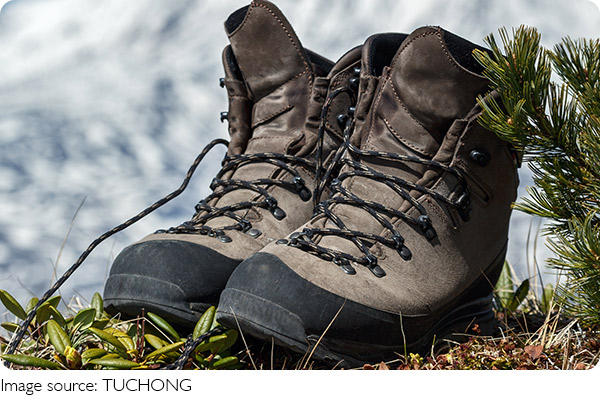
2. Footwear for Snow and Ice
Winter hikes often mean dealing with slippery, snowy, and icy terrain. Proper footwear is essential to avoid slipping and to keep your feet warm.
• Insulated Boots: Look for waterproof, insulated hiking boots that will keep your feet warm and dry, even in deep snow. Insulated boots with thick soles will help protect your feet from the cold ground.
• Microspikes or Crampons: For added stability on icy paths, consider using microspikes or crampons. These are attached to your boots and provide excellent traction on snow and ice.
• Gaiters: These can be worn over your boots to prevent snow from getting inside your shoes and to help keep your pants dry. Gaiters are especially useful if you're trekking through deep snow.
3. Trekking Poles
Trekking poles are invaluable during winter hikes. Not only do they help maintain balance on slippery surfaces, but they also reduce the stress on your knees, especially when hiking uphill or downhill.
• Adjustable Poles: Opt for poles with adjustable lengths so you can adapt them to various terrains.
• Snow Baskets: Some trekking poles come with larger snow baskets at the bottom, which help prevent the poles from sinking too deeply into the snow.
4. Navigation Tools
Winter hikes can lead you into remote, snow-covered areas where trail markers are not visible. Having reliable navigation tools can make all the difference in staying safe and on track.
• Map and Compass: Always carry a map of the trail and a compass. Even if you're relying on a GPS, traditional tools can be lifesavers when the technology fails.
• GPS Device: If you're heading into unfamiliar terrain, a handheld GPS device or a smartphone with offline maps can be an excellent tool to guide you back to safety.
• Headlamp: Winter days are shorter, and the light can fade quickly. A headlamp is crucial if you're hiking during early mornings or late afternoons.
5. Safety and Emergency Gear
Even with the best preparation, accidents can happen on the trail. It's important to be ready for the unexpected.
• First-Aid Kit: A compact first-aid kit with essentials like bandages, antiseptic, and pain relievers is always a must.
• Emergency Blanket: These compact, lightweight blankets are great for warmth in case of an emergency. They can reflect body heat and keep you warm in freezing conditions.
• Whistle: A whistle can help you alert others if you get lost or need assistance.
• Multi-tool: A good multi-tool is always handy for any quick fixes along the way.
6. Food and Hydration
Winter hiking can burn a lot of calories, and staying hydrated is just as important in the winter as it is in the summer.
• High-Energy Snacks: Carry snacks that are easy to eat and full of energy. Think trail mix, granola bars, jerky, or other high-protein foods.
• Water Bottle with Insulation: In freezing temperatures, water bottles can freeze quickly. Consider using an insulated bottle or a hydration reservoir with an insulated hose to keep water from freezing.
• Hot Drinks: A thermos of hot tea, coffee, or soup can provide much-needed warmth during your hike. It's a great morale booster!

7. Sun Protection
You might not think of sunburn when you're hiking in winter, but the sun's rays can still be strong, especially when reflected off the snow. Protect your skin and eyes with these essentials:
• Sunscreen: Apply sunscreen to your face, neck, and any other exposed skin, even on cloudy days.
• Sunglasses: UV rays can be strong in the winter months, and snow glare can damage your eyes. Wear sunglasses with UV protection to shield your eyes from the sun.
8. Extra Gear to Consider
• Hot Hands: Disposable hand warmers can help keep your fingers toasty in sub-zero temperatures.
• Backpack: Use a lightweight, weather-resistant backpack to carry all your gear, snacks, and any extra layers. Choose one with adjustable straps to keep the weight evenly distributed.
With the right gear, winter hiking can be just as enjoyable—if not more so—than hiking during warmer months. The snowy landscape offers a serene and beautiful experience that few other seasons can match. Whether you're hiking to enjoy the peace of nature or to challenge yourself in the cold, having the right equipment will make all the difference in keeping you safe, warm, and ready for anything the trail throws at you. So, gear up, stay safe, and embrace the winter wonderland on your next hike!