Longer Range EVs

Finnegan Flynn
| 27-04-2026
 · Automobile team
The automotive industry is undergoing a massive transformation, and at the heart of this shift are electric cars.
Once considered a niche market, electric vehicles (EVs) are now becoming mainstream, with leading automakers worldwide shifting their focus to creating electric models. But what exactly is driving this revolution?
The rise of electric cars can be attributed to several key factors, including advancements in battery technology, government incentives, and an increasing global focus on sustainability.
Unlike traditional gasoline-powered cars, EVs run on electric power stored in batteries, eliminating the need for fuel and significantly reducing carbon emissions.
With growing concerns over climate change and the need for greener alternatives, electric cars are emerging as the ideal solution for reducing our environmental footprint.
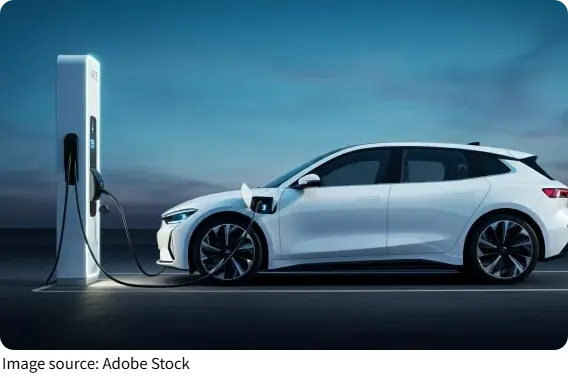
Environmental Benefits: A Cleaner Future
One of the most compelling reasons to consider an electric car is the positive impact they have on the environment. EVs produce zero tailpipe emissions, which means they don't release harmful pollutants like nitrogen oxides or particulate matter into the air. This makes them a significant improvement over conventional internal combustion engine (ICE) vehicles, which are major contributors to air pollution and greenhouse gas emissions.
In addition to eliminating exhaust emissions, electric cars are also more energy-efficient than gasoline-powered vehicles. A large portion of the energy used by a traditional car is lost as heat during combustion, but in electric cars, more of the energy from the battery is directly converted into motion, making them more efficient and cost-effective in the long run.
Lower Operating Costs: Save Money Over Time
Though the initial purchase price of an electric car may be higher than that of a traditional car, the long-term savings can be significant. EVs have fewer moving parts, which means they generally require less maintenance. There are no oil changes, fewer brake repairs due to regenerative braking, and fewer issues with the engine. This results in reduced service costs over the vehicle's lifespan.
Another significant benefit is the cost of fuel. Charging an electric car is typically much cheaper than filling a gas tank, and with the rise of home charging stations, many EV owners enjoy the convenience of charging their vehicle overnight for a fraction of the cost of gasoline. Additionally, many governments offer tax incentives and rebates for purchasing electric vehicles, further lowering the overall cost of ownership.
The Future of Charging Infrastructure
One of the key challenges facing the widespread adoption of electric cars is the availability of charging infrastructure. While gas stations are ubiquitous, charging stations for EVs are still being rolled out in many regions. However, this is rapidly changing, with an increasing number of fast-charging stations appearing in cities, highways, and even remote areas.
The development of home charging solutions has also made it easier for EV owners to charge their vehicles conveniently. With a standard 240-volt outlet, many EVs can be fully charged overnight, ready for use the next day. Moreover, manufacturers and third-party companies are investing heavily in creating ultra-fast charging networks, which could allow EVs to be charged to 80% in as little as 30 minutes.
Increased Range: A Drive for Convenience
In the early days of electric cars, one of the biggest concerns was their range—the distance a vehicle could travel on a single charge. Early models often required frequent charging, limiting their practicality for long trips. However, advancements in battery technology have greatly improved the range of modern EVs, with many new models offering ranges of over 250 miles on a single charge.
This improvement in range, coupled with the growing network of charging stations, has made electric cars a viable option for a much larger segment of the population, including those who regularly drive long distances. With the ongoing development of next-generation battery technologies, it's likely that future EVs will be able to travel even further on a single charge.
The Road Ahead: EVs as the Future of Mobility
Electric cars are not just a passing trend—they represent the future of transportation. With increasing support from governments, automakers, and consumers, the shift toward electric vehicles is gaining momentum. Leading automotive manufacturers such as Tesla, Nissan, and Chevrolet are investing heavily in EV production, and several companies have committed to making their entire vehicle lineup electric within the next decade.
The transition to electric cars is a crucial part of the global effort to combat climate change and reduce carbon emissions. As technology continues to improve, and as infrastructure grows to support EVs, electric cars will become more accessible, affordable, and convenient for drivers worldwide.
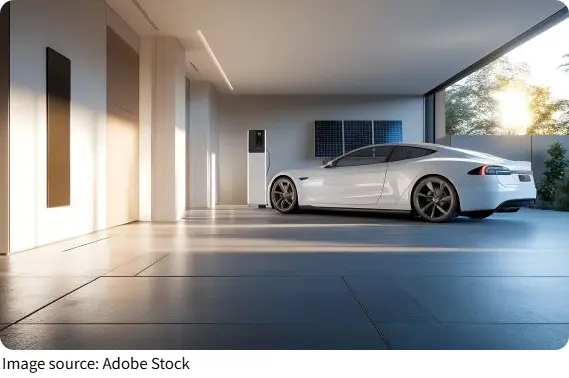
Electric cars are more than just a technological advancement—they represent a fundamental shift in how we think about transportation. They offer numerous environmental, financial, and practical benefits that make them an appealing choice for drivers looking to make a positive impact on the planet.
As technology continues to evolve and charging infrastructure becomes more widespread, electric vehicles are poised to become the dominant form of transportation in the near future. If you're considering making the switch, now is the perfect time to join the movement toward a cleaner, greener, and more sustainable future.