Bald Eagle Cams

Santosh Jha
| 16-04-2026
 · Animal team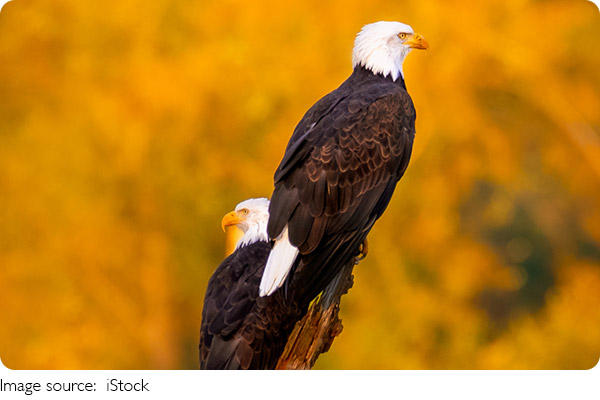
Have you ever imagined what it feels like to witness a bald eagle not just soaring across the sky, but raising its young or gathering in dozens at dusk?
For many people, the bald eagle is a symbol of solitude and power—an independent hunter cutting through open air.
Yet the reality is far more social, far more structured, and now, thanks to nest cameras and field observation, far more visible than ever before.
These birds live dual lives: one centered around intimate nesting pairs, and another built on large communal gatherings called roosts. Understanding both reveals a surprisingly complex social world hidden in plain sight.
Nest vs Roost: two different homes
A nest is not simply “home.” It is a reproductive structure used only when raising chicks. A roost, by contrast, is where eagles gather at night outside the breeding season. According to bird ecologists, roosts can host more than 100 eagles packed into a small cluster of tall trees.
Roosting behavior changes with food and season. In warmer months, eagles focus on fish-rich waters. In colder periods, they shift to waterfowl or scavenging near landfills and open terrain. These seasonal adjustments often determine where large roosts form and dissolve.
Meanwhile, nesting pairs usually remain territorial during breeding season. Many pairs stay together long-term, returning to the same massive nest year after year, reinforcing bonds while raising chicks.
The engineering behind eagle nests
Bald eagles build the largest tree nests in the world, structures that can exceed a ton in weight. Each nest begins as a foundation of sticks, carefully layered using only beaks and talons. Over time, grasses and moss fill gaps, forming a stable platform that can measure several feet wide.
What makes these nests remarkable is not just their size, but their continuity. A single nest may be reused and expanded for decades. Each year, returning pairs add new material, sometimes increasing height by several feet. Even after chicks leave, adults may continue decorating the structure with greenery, signaling ownership and maintenance.
These nests often sit in towering trees or cliffside locations, providing open flight paths and protection. Their permanence makes them ideal subjects for remote observation.
Live nest cameras and where to watch
Modern technology has turned eagle parenting into a public window on wildlife behavior. Cameras installed near nests allow viewers to observe egg-laying, feeding routines, and sibling interactions in real time. Some well-known viewing sites include:
• Duke Farms Eagle Cam (New Jersey)
A restored ecological landscape where eagles returned in the early 2000s. Viewing is free online, and on-site visits typically involve free entry with parking around $5–$10.
• Channel Islands Nest Cameras (California)
Located within a protected island park system. Ferry access generally costs $60–$80 per person depending on departure point, while park entry is usually free.
• Kisatchie National Forest Cam (Louisiana)
Eagles nest in tall pine forests here. Forest access is free, though guided tours may range from $10–$25 depending on service providers.
These cameras not only capture dramatic parenting moments but also help scientists track chick survival, nest threats, and behavioral patterns.
Where to see bald eagles in the wild
Beyond screens, real-world viewing remains possible in several key regions:
• Klamath Basin (Oregon–Washington border)
One of the densest eagle wintering grounds in the lower 48 states. Thousands gather near wetlands. Nearby refuge parking typically costs $5–$15.
• Bear Valley National Wildlife Refuge
Known for large seasonal roosts of up to 300 birds. Entry is generally free.
• Mason Neck State Park (Virginia)
A historic nesting region with seasonal eagle festivals. Entry fees are usually $7–$10 per vehicle.
• Conowingo Dam (Maryland)
A powerful feeding hotspot where fish concentrations attract large numbers of eagles. Free public viewing areas are available.
• Unalaska (Alaska)
Eagles often roost in urban areas, even on rooftops, offering unusually close encounters in everyday settings.
A shared sky, a shared story
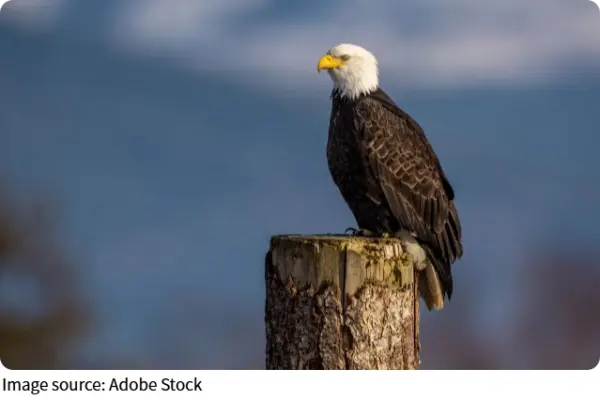
Bald eagles may appear solitary when gliding across open skies, but their lives are built on connection—between mates, parents and chicks, and entire seasonal communities. Nest cameras and field observation are reshaping how we understand these birds, turning distant symbols into living, relatable families.
As you watch them—whether on a screen or in the wild—you might start to notice something unexpected: their world is not just about survival, but about continuity, cooperation, and place. And perhaps the real question becomes not just where to see them, but what their hidden social lives reveal about the natural world we share with them.