The Red Sanctuary

Sofia Alvarez
| 16-04-2026
 · Travel team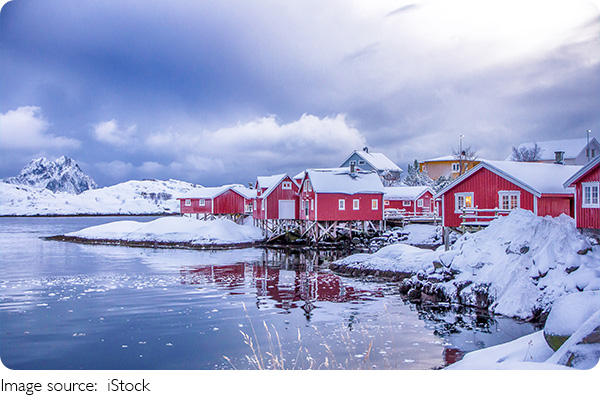
Have you ever looked at a postcard and wondered if such a place truly exists, or if it is just a clever trick of the light? Imagine a tiny cluster of crimson cabins perched precariously on the edge of a dark, frigid fjord, while jagged granite peaks tower behind them like sleeping giants.
This is Hamnøy, the oldest fishing village in the Lofoten archipelago. It is a place where the air smells of salt and history, and the deep blue water reflects a lifestyle that has remained unchanged for generations. If you are tired of crowded city breaks and neon lights, this Arctic sanctuary offers a bridge to a world that is raw, wild, and incredibly quiet.
A Legacy in Crimson
Hamnøy is famous for its "Rorbuer"—the bright red wooden cabins that were originally built to house fishermen during the brutal winter cod season. Today, these cabins have been transformed into cozy retreats for travelers, but they haven't lost their soul. Walking between the huts, you can still feel the spirit of the sea. The contrast between the vibrant red wood and the moody, monochromatic mountains of the Reinefjord is a visual masterpiece that draws photographers from every corner of the globe.
What makes Hamnøy unique is its sense of scale. Standing on the bridge that connects the village to the rest of the islands, you feel small in the face of nature's grandeur. The mountain of Festhelltinden looms over the village, providing a dramatic backdrop that changes with every passing cloud. Whether the village is bathed in the eerie green glow of the aurora or the soft gold of the midnight sun, it remains a symbol of human resilience in an unforgiving environment.
Hamnøy
Traveler's Logistics
Reaching this remote corner of the world requires a bit of adventure, but the journey through the islands is just as spectacular as the destination itself.
Essential Visitor Information
• Transportation: The most flexible way to visit is by flying into Leknes and renting a car, which costs approximately $90 to $140 per day. Alternatively, take a ferry from Bodo to Moskenes ($30 per person) and a short bus or taxi to the village.
• Opening Times: The village is an open residential and tourist area accessible 24 hours a day. However, museums and local shops typically operate from 10:00 AM to 5:00 PM.
• Entry Fees: Exploring the village and crossing the famous photography bridge is completely free.
• Accommodations: Staying in an authentic renovated fisherman's cabin (Rorbu) is the highlight of the trip. Prices generally range from $180 to $320 per night depending on the season and cabin size.
• Pro Tip: Pack high-quality thermal layers and waterproof boots. The Arctic weather is famously unpredictable and can change from sunshine to a blizzard in minutes.
Lessons from the Edge
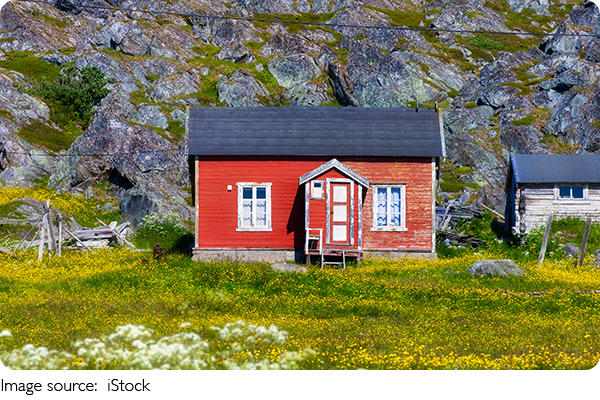
What Hamnøy teaches us is the beauty of finding a home in the most unlikely places. These cabins weren't built for luxury; they were built for survival. They remind us that even in the harshest conditions, humans can create something vibrant and warm. In our modern lives, we often build walls of glass and steel to separate ourselves from nature, but in Hamnøy, the house is part of the rock, and the porch is part of the sea.
As you stand on the bridge and watch the tide pull through the fjord, you realize that true peace comes from harmony, not control. The village doesn't try to dominate the mountains; it nestles beneath them. It invites us to reflect on our own "anchors." Where do you go when the storms of life get too loud? We all need a red cabin of the mind—a place that stands firm regardless of the weather. Have you found your sanctuary yet? Hamnøy is a reminder that the most beautiful lives are often lived on the edge, where the mountains meet the sea and the only clock that matters is the tide.