PhilEnergy: 5 Energy Sector!

Caroll Alvarado
| 23-04-2026
 · Travel team
As the Philippines accelerates its transition toward a more resilient and sustainable energy landscape, PhilEnergy Expo has emerged as the country’s most comprehensive and widely attended platform for industry convergence.
Far beyond a conventional exhibition, it serves as a strategic hub where policymakers, engineers, investors, and technology providers collectively shape the direction of the nation’s power sector.
With its focus on five core energy profiles—Renewable Energy, Energy Efficiency, Electric & Power, Electric Vehicles, and Energy Storage—the event captures the full spectrum of innovation and infrastructure needed to meet rising energy demand while addressing environmental and economic challenges.
1. Renewable Energy (RE): Accelerating the Shift to Clean Power
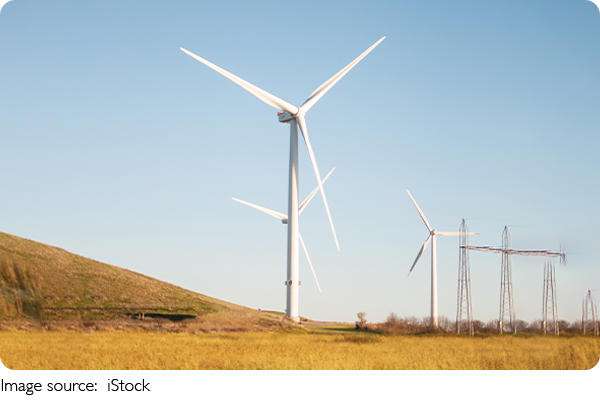
Renewable Energy stands at the forefront of the Philippines’ long-term energy roadmap, driven by national targets to significantly increase the share of clean energy in the power mix. At PhilEnergy, this segment is not limited to showcasing solar panels or wind turbines; it encompasses the entire ecosystem, including project development, grid integration, and financing mechanisms.
Exhibitors often present advanced photovoltaic technologies, floating solar systems tailored for island geographies, and hybrid renewable solutions that combine solar, wind, and hydro resources. The Philippines, being an archipelagic nation with diverse natural resources, requires localized solutions rather than one-size-fits-all models. Discussions at the event frequently highlight how renewable deployment must adapt to varying regional conditions, from typhoon resilience to grid accessibility in remote areas.
This segment also emphasizes policy alignment, particularly in relation to government incentives and regulatory frameworks that support renewable investments. By bridging technology with policy, PhilEnergy ensures that renewable energy is not just an aspiration but an actionable pathway for national development.
2. Energy Efficiency (EE): Optimizing Consumption in a Growing Economy
While increasing energy supply is crucial, managing demand is equally important. The Energy Efficiency segment at PhilEnergy addresses this balance by focusing on technologies and strategies that reduce consumption without compromising productivity.
This includes smart building systems, industrial automation, and energy management platforms that enable real-time monitoring and optimization. In a country where commercial and industrial sectors are expanding rapidly, these solutions play a critical role in controlling operational costs and minimizing environmental impact.
What sets this segment apart is its practical orientation. Case studies presented during the event often demonstrate measurable savings achieved through efficiency upgrades, providing attendees with concrete benchmarks rather than abstract concepts. This makes Energy Efficiency one of the most immediately actionable areas for businesses looking to improve sustainability while maintaining competitiveness.
3. Electric and Power (E&P): Strengthening Grid Reliability and Infrastructure
The Electric and Power segment forms the backbone of the entire energy ecosystem, addressing the generation, transmission, and distribution of electricity. At PhilEnergy, this category brings together utilities, equipment manufacturers, and engineering firms to showcase solutions that enhance grid stability and capacity.
Given the Philippines’ unique geographic challenges, including dispersed islands and vulnerability to natural disasters, infrastructure resilience is a key focus. Exhibitors highlight technologies such as smart grids, advanced transformers, and automated distribution systems designed to minimize outages and improve response times.
4. Electric Vehicles (EV): Driving the Future of Mobility
The Electric Vehicle segment reflects the growing momentum toward sustainable transportation in the Philippines. With urban centers facing congestion and pollution challenges, EV adoption is becoming a strategic priority for both government and private sectors.
At PhilEnergy, this category extends beyond vehicle displays to include charging infrastructure, battery technologies, and fleet management systems. Exhibitors present solutions tailored to local conditions, such as compact EVs for urban mobility and electric public transport systems designed for high-density routes.
Policy frameworks, including incentives and infrastructure development plans, are also central to discussions in this segment. By aligning technological innovation with regulatory support, the event provides a realistic roadmap for scaling EV adoption across the country. This holistic approach ensures that the transition to electric mobility is both feasible and sustainable.
5. Energy Storage (ES): Enabling Stability in a Renewable-Driven Grid
Energy Storage has become a critical component in modern energy systems, particularly as renewable energy sources introduce variability into the grid. At PhilEnergy, this segment focuses on technologies that store and manage energy effectively, ensuring a consistent power supply even when generation fluctuates.
Solutions showcased include lithium-ion battery systems, large-scale storage facilities, and emerging technologies such as solid-state batteries and hybrid storage systems. These innovations are essential for balancing supply and demand, especially in regions with high renewable adoption.

What distinguishes PhilEnergy Expo is its ability to integrate these five energy profiles into a cohesive narrative. Each segment addresses a specific challenge, yet together they form a comprehensive strategy for building a sustainable, reliable, and future-ready energy system.
PhilEnergy is more than an exhibition—it is a catalyst for transformation, where ideas evolve into solutions and partnerships turn into progress, inviting every participant to play a role in shaping a cleaner, smarter, and more resilient energy future for the Philippines.