Clay Craft Magic

Chandan Singh
| 08-04-2026
 · Lifestyle team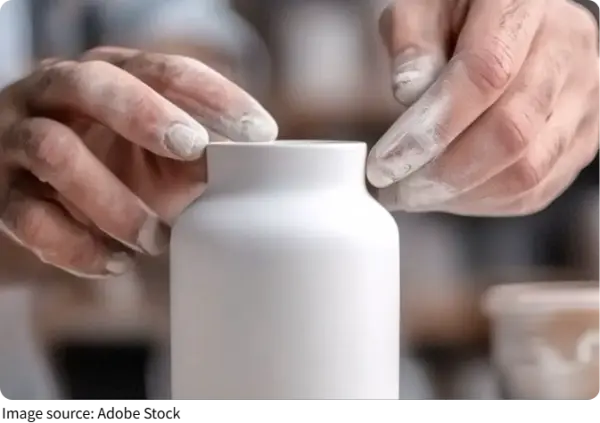
Let’s explore the fascinating journey of ceramics, an art form celebrated around the world. From everyday items like bowls and tea sets to decorative masterpieces, ceramics capture attention with their unique charm.
Today, we’ll guide you through the full process of making ceramics—from choosing the right materials to the final product—so we can appreciate the skill and creativity behind every piece.
Choosing the Right Materials
We start with the most important element: clay. Clay is composed of tiny mineral particles, commonly including kaolin, feldspar, and quartz. Choosing the right type of clay is the first step. Kaolin is ideal for delicate white porcelain, while quartz sand adds strength to the final piece.
Apart from clay, we also need water, fluxes like feldspar, and other additives. Water content is crucial, usually kept between 20% and 30%, to ensure the clay remains soft and moldable. Getting this balance right makes a big difference in shaping and firing outcomes.
Shaping the Clay
Shaping is where creativity meets technique. There are three main methods we often use: hand-building, wheel throwing, and mold shaping.
- Hand-building: Using only our hands to sculpt clay allows for highly personalized and artistic designs, perfect for unique or one-of-a-kind pieces.
- Wheel throwing: Placing clay on a spinning wheel, we can pull and shape it into symmetrical forms like bowls or plates. Precision and control are key here.
- Mold shaping: For larger production, clay is pressed into molds. After drying, the pieces are removed, ensuring consistency in shape and size.
Each method has its own charm, and we choose based on the piece’s design and purpose.
Drying the Clay
After shaping, the clay needs to dry to remove excess moisture. Temperature and humidity must be carefully controlled; drying too fast can cause damage. Usually, pieces air-dry in a cool, ventilated space. Drying times vary depending on size and thickness, ranging from a few hours to several days. Patience is key to prevent damage.
Biscuit Firing
Once dry, the pieces undergo their first firing, called “bisque firing,” at temperatures between 800°C and 1000°C. This step stabilizes the ceramic structure.
We use electric kilns for precise temperature control or gas kilns for larger batches. After firing, the pieces may be fragile, so we carefully inspect, smooth, and clean them to prepare for glazing.
Applying Glaze
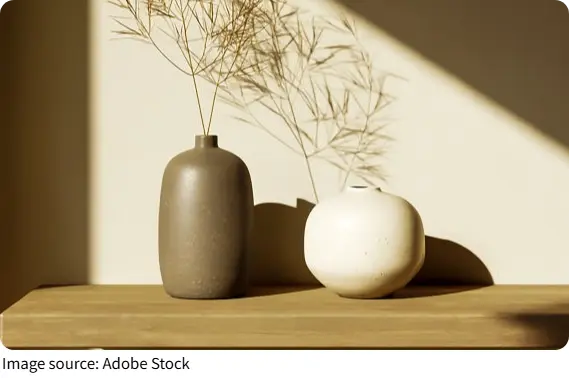
Glazing is where ceramics come to life. Glazes are made from mineral mixtures that create both a decorative finish and a protective layer. Options include transparent, colored, or matte finishes, depending on the desired effect.
Glazing methods include dipping, spraying, and brushing. Dipping immerses the piece in glaze, spraying ensures even coverage, and brushing adds a hand-crafted touch. After glazing, we fire the ceramics again—“glaze firing”—at 1000°C to 1300°C. The glaze melts into a smooth, durable surface, enhancing beauty and water resistance.
Cooling and Inspection
After firing, we allow pieces to cool slowly in the kiln to avoid sudden temperature shocks that can cause splits. Once cooled, every piece is inspected for splits, bubbles, or imperfections. Only those meeting quality standards are packaged and ready for sale. If needed, repairs or refiring are done to ensure perfection.
Final Thoughts
The process of making ceramics is intricate, precise, and deeply rewarding. Every step requires skill, care, and an understanding of materials and tools. While modern technology provides convenience, traditional handcrafting remains essential in ceramic culture worldwide.
Ceramics are more than objects—they carry creativity, history, and global cultural heritage. Exploring this craft helps us connect with an art form appreciated across the world. We hope this guide inspires you to experience the beauty of ceramics and maybe even try creating your own pieces.
Making / Throwing a Spherical shaped Pottery vase on the wheel
Video by Ingleton Pottery