Color in Fashion

Arvind Singh
| 07-04-2026
 · Lifestyle team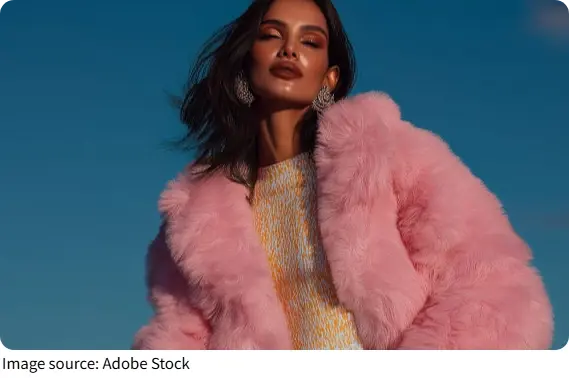
Color plays a significant role in fashion, far beyond just adding vibrancy to an outfit. It has the power to convey messages, evoke emotions, and even influence the way we are perceived. In the world of fashion, understanding the importance of color can elevate your personal style and transform a simple ensemble into a statement.
Whether you're dressing for a formal event or a casual day out, the colors you choose can communicate a wealth of information without you uttering a single word. Let's dive into why color is so crucial in fashion and how it can help you make the right impression.
The Psychological Impact of Colors
Colors are more than just visual elements; they have a profound psychological effect on how we feel and how others perceive us. This connection between color and emotion has been explored in various fields, from marketing to psychology. Understanding this can help you choose colors that align with the message you want to convey.
1. Red – Confidence and Power: Red is often associated with energy, passion, and strength. It's a color that exudes confidence and can make a bold statement. Wearing red can be empowering, making it ideal for moments when you want to stand out or command attention. It's a color that can also signify love and warmth, depending on the shade.
2. Blue – Calm and Trustworthy: Blue is known for its calming effect, evoking feelings of tranquility and trust. It is often worn in professional settings because it conveys competence and reliability. Lighter blues suggest openness, while darker blues imply seriousness and authority.
3. Yellow – Optimism and Happiness: Yellow is a color that brings brightness and positivity. It's associated with happiness, creativity, and optimism. A splash of yellow in an outfit can instantly lift your mood and attract positive attention. However, too much yellow can be overwhelming, so it's best used in moderation.
Color Pairings: Crafting a Balanced Look
Knowing which colors complement each other is essential to creating a harmonious and balanced outfit. Color theory provides guidelines for combining shades that work well together and enhance the overall aesthetic of your look.
1. Monochromatic Outfits: This style involves using varying shades of the same color. It creates a sleek, coordinated look. For instance, pairing a navy shirt with lighter blue pants and accessories can result in an elegant and timeless ensemble.
2. Complementary Colors: Colors that are opposite each other on the color wheel—like blue and orange or red and green—create high contrast and draw attention. This combination can add drama to an outfit, but it's essential to balance the intensity of the colors to avoid clashing.
3. Analogous Colors: These colors sit next to each other on the color wheel and typically blend well together. Think of pairing purple with blue or yellow with orange. This combination tends to be harmonious and visually appealing without being too bold.
Colors and Body Type: Enhancing Your Silhouette
Colors can also be strategically used to enhance your body shape and proportions. By understanding which shades flatter your figure, you can create a more balanced and flattering silhouette.
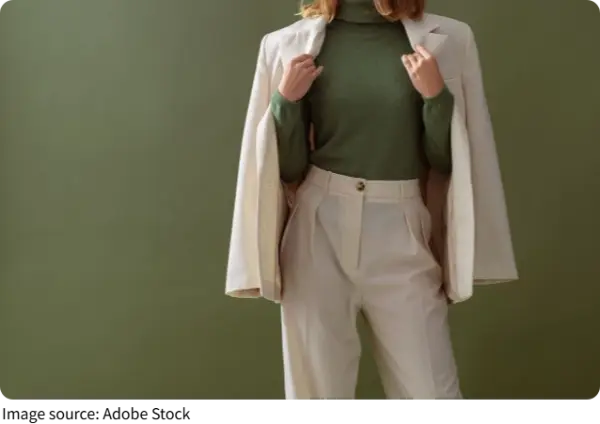
1. Dark Colors for Slimming Effect: Dark shades like black, navy, or deep green have a slimming effect. These colors can create the illusion of a more defined shape by minimizing areas you want to downplay.
2. Light Colors for Attention: Light colors such as pastels and whites naturally draw attention. These colors can be used strategically to highlight certain areas of your body, like the shoulders or legs. However, be mindful of the fabric and fit, as lighter shades can sometimes add volume if not chosen carefully.
3. Bold Colors for Confidence: If you want to make a statement and draw attention, bold colors like red, bright yellow, or electric blue are great choices. These colors not only stand out but also show confidence and personality. Just ensure the fit and cut of the clothing complement your body shape to maintain a balanced look.
Practical Tips for Using Color in Fashion
Now that you understand the psychological effects and principles of color in fashion, here are some practical tips for incorporating color into your wardrobe:
1. Know Your Skin Tone: The colors you wear can either enhance or clash with your skin tone. If you have a warm skin tone, earthy colors like brown, beige, and yellow tend to look great on you. If you have a cool skin tone, opt for colors like blue, pink, and purple that enhance your natural complexion.
2. Add Color with Accessories: If you're unsure about experimenting with bold colors in your clothing, start small with accessories. A bright handbag, scarf, or pair of shoes can add a pop of color to a neutral outfit without overwhelming the look.
3. Seasonal Color Trends: Fashion trends often shift with the seasons, and so do the color palettes. In the spring and summer, lighter shades like pastels and bright hues take center stage, while fall and winter bring out deeper, richer tones like maroon, forest green, and mustard yellow.
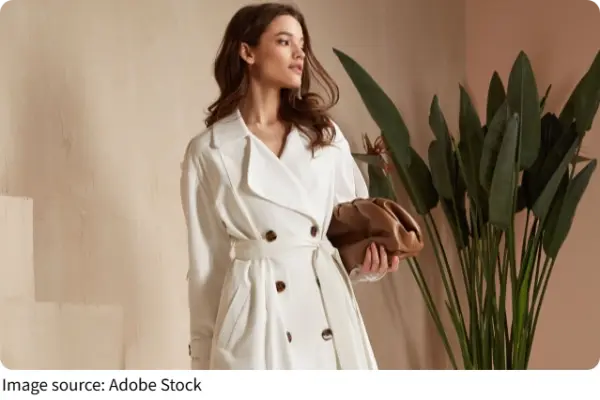
4. Balance with Neutrals: If you're incorporating vibrant colors into your outfit, balance them with neutral tones like white, gray, or black. This helps to avoid overwhelming the look while still making a statement with color.
Conclusion: Embrace the Power of Color
Color is not just a visual element in fashion—it's a tool that can influence mood, express personality, and enhance your appearance. By understanding how different colors work together and how they affect perception, you can make more informed choices about what to wear. The key is to embrace color confidently, experiment with different combinations, and use it as a means of self-expression.
Whether you're dressing for a professional setting or a casual day out, the right color choices can make all the difference in how you feel and how you are perceived. So next time you're picking an outfit, remember: the power of color is in your hands.