Flowers Across Cultures

Liam Reilly
| 25-03-2026
 · Lifestyle team
Flowers have long carried symbolic meanings in cultures around the globe. From celebrations to special occasions, their colors, shapes, and types communicate emotions and messages without words.
Understanding the symbolism of flowers deepens appreciation for their beauty and reveals how societies express feelings, celebrate milestones, and mark important life events.
Roses, lilies, and lotuses are among the most emblematic flowers, each carrying rich cultural narratives and diverse meanings depending on geography and tradition.
Roses: Love, Respect, and Connection
Roses are widely recognized as symbols of affection, but their meaning varies with color and cultural context.
1. Red Roses: Often associated with romantic love, passion, and deep admiration.
2. White Roses: Represent purity, innocence, and sincere feelings, frequently used in weddings or commemorations.
3. Yellow Roses: Signify friendship, joy, and new beginnings in many Western contexts, though historically they could suggest caution or jealousy.
Roses appear in literature, art, and ceremonies worldwide, reflecting the values and emotions a society wishes to express.
Lilies: Purity and Renewal
Lilies are celebrated for their elegance and fragrance, symbolizing a wide array of meanings.
1. White Lilies: Represent purity, virtue, and fresh starts, commonly associated with personal milestones.
2. Stargazer Lilies: Convey ambition and prosperity, used to mark achievements or memorable moments.
3. Cultural Significance: In many traditions, lilies appear in creative arts and gatherings to symbolize grace and the passage of life.
Lilies demonstrate how flower symbolism often intertwines with life events and social rituals, conveying subtle messages beyond simple aesthetics.
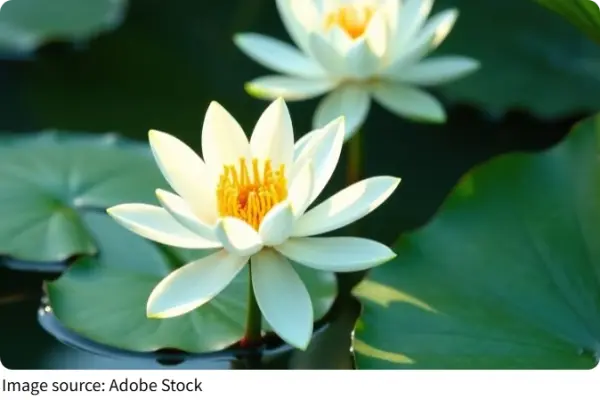
Lotuses: Enlightenment and Rebirth
The lotus holds a prominent role in several cultures, representing personal growth and resilience.
1. Spiritual Symbol: Growing from muddy waters to bloom brightly, the lotus symbolizes renewal, clarity, and inner strength.
2. Cultural Context: In various traditions, the lotus is linked to philosophical ideas, meditation, and reflection practices.
3. Modern Meaning: Beyond cultural symbolism, the lotus also represents determination, growth, and the ability to thrive despite challenges.
The lotus exemplifies how a flower can reflect life lessons and inspire daily living, emphasizing the connection between nature and human experience.
Reflections on Flower Symbolism
Exploring flower symbolism across cultures reveals a universal human desire to communicate emotions, celebrate values, and mark significant life moments. Roses, lilies, and lotuses are more than decorative; they are carriers of stories, feelings, and traditions.
Understanding these symbolic meanings transforms every bouquet, garden, or floral arrangement into a dialogue with history and culture. Recognizing these messages encourages mindfulness and respect for how humans across the world use nature to express deep emotions and ideals.