Choosing Sofa Color

Mukesh Kumar
| 18-03-2026
 · Lifestyle team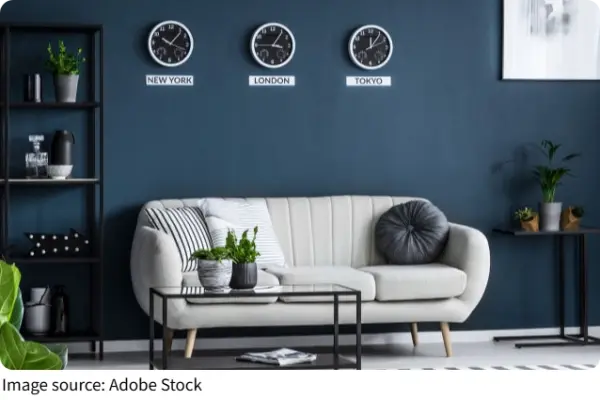
Choosing the right sofa color is one of the most impactful decisions in interior design.
A sofa often serves as the centerpiece of a living room; its color sets the mood, influences the perception of space, and interacts with lighting, texture, and surrounding decor.
Making an informed choice ensures that the piece not only looks beautiful today but remains relevant as your style evolves. Sofa color choice blends creativity with practical insight, and understanding key design principles helps you strike the right balance between aesthetic appeal and lasting function.
Start with Neutrals for Versatility
One of the most widely recommended strategies is selecting a neutral sofa color. Shades like beige, cream, soft gray, or warm taupe provide a timeless foundation that integrates seamlessly with various styles and palettes. Neutral tones act as visual anchors, allowing you to update other elements—such as pillows, rugs, and artwork—without replacing the sofa itself.
Neutrals are especially valuable in spaces where you expect to change decor frequently or want a calm, cohesive base that doesn't compete with bold accents. Their adaptability makes them a popular choice in both modern and classic interiors.
Consider Bold Colors for Character
While neutrals are safe and versatile, bold sofa colors can create a distinctive focal point. Rich hues like deep green, navy, or terracotta bring personality to a space and infuse warmth or drama depending on your intent. A bold colored sofa works best when balanced with complementary tones in the room—such as throw cushions or wall accents that echo or soften the main hue.
Choosing a vibrant shade requires confidence, but when done thoughtfully, it can elevate a room from simple to striking. Designers often emphasize that bold colors should still harmonize with the overall palette to avoid visual conflict.
Lighting and Room Size Matter
Light dramatically affects how a sofa color appears in a room. Natural daylight, evening light, and artificial illumination each alter color perception. A shade that looks soft in a showroom can appear dull or too intense in your living space.
To counter this, test fabric swatches in the actual room at different times of day. Observe how the shade shifts under direct sunlight, indirect light, and evening lamps. This real world test prevents surprises and ensures the color feels right at all hours.
Room size also influences color choice: lighter tones can make smaller spaces feel open and airy, while darker shades create a cozy, enveloping atmosphere in larger rooms. Understanding this interplay between color, light, and space transforms your sofa from a static object into a harmonizing design element.
Practical Considerations: Lifestyle and Maintenance
Beyond aesthetics, practicality must inform your sofa color decision. Consider how the sofa will be used. Living rooms with children or pets often benefit from mid tone neutrals (like warm gray or mocha) that conceal everyday wear more effectively than very light fabrics.
The texture of the fabric also affects upkeep. Tightly woven or patterned upholstery tends to hide minor marks better than smooth, monochrome surfaces. If easy maintenance is a priority, selecting a color and material combination that resists visible wear will help your sofa look fresh longer with minimal effort.
Key practical tips to remember:
1. Test color samples in your actual lighting before ordering.
2. Choose mid tone neutrals for high traffic areas to mask everyday wear.
3. Pair bold hues with coordinating accents for design harmony.
4. Match sofa fabric texture with your maintenance expectations.

Conclusion: A Color That Grows With You
Selecting the perfect sofa color is both a creative and practical journey. It should reflect your personal taste while harmonizing with your living space and lifestyle. By considering light, room scale, use patterns, and long term adaptability, you can choose a color that enhances daily living and stands the test of time.
The right sofa color doesn't just complete a room—it becomes part of your everyday environment, supporting comfort, mood, and visual balance. When thoughtfully chosen, it offers not only beauty but longevity, proving that functional design and personal expression can coexist elegantly.