After the Social High

Ethan Sullivan
| 18-03-2026
 · Lifestyle team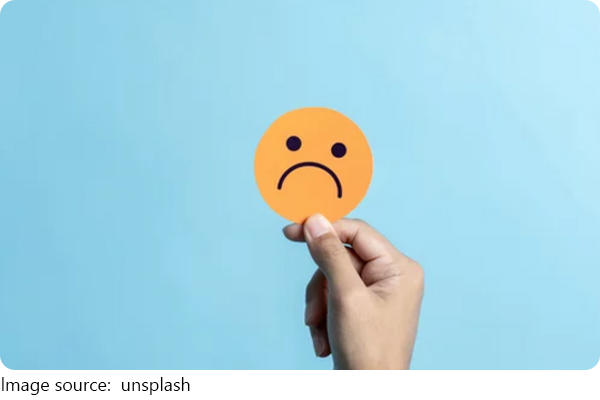
Many people assume anxiety only follows negative experiences. Yet a pleasant dinner, a lively meetup, or a warm reunion can still be followed by unease once everything ends. For Lykkers, this reaction often feels confusing, especially when nothing went wrong.
Psychology shows that social connection, even when enjoyable, places real demands on the nervous system. This guide explores the science behind post-social anxiety and explains how the mind recovers from connection, stimulation, and emotional exchange.
Why Social Joy Still Drains
This part looks at what happens during social interaction and why the body and mind need recovery afterward.
Social Energy Has a Cost
During social events, the brain performs many tasks at once. It reads cues, tracks tone, manages responses, and adjusts behavior in real time. Even when conversations feel natural, this process uses significant mental energy.
Psychologist Matthew Lieberman has explained in research talks that social thinking activates complex neural networks. These networks are rewarding but demanding. Once the event ends, the nervous system often shifts from stimulation to rest, and that transition can feel uncomfortable rather than calm.
This is why anxiety may appear later, not during the event. While engaged, attention stays outward. When quiet returns, the body finally notices depletion.
The Drop After Connection
Positive social experiences often involve elevated mood and alertness. When that state fades, the contrast can feel sharp. The mind interprets the sudden change as something being wrong, even when it is simply a return to baseline.
Neuroscience shows that after heightened engagement, the nervous system recalibrates. Heart rate slows, stimulation decreases, and emotional processing resumes. During this shift, uneasy sensations may surface briefly. This is not regret or failure. It is recovery.
For many, this explains why anxiety appears at home, during quiet moments, or before sleep. The environment is calmer, but internal processing has just begun.
Why the Mind Replays Everything
This part focuses on mental review and why reflection can turn into anxiety after social time.
The Brain Seeks Social Safety
Humans are wired to care about social belonging. After interaction, the brain often reviews what happened to confirm safety and acceptance. This review can slide into overthinking, especially when energy is low.
Psychologist Susan David has noted that emotions tend to surface when there is space to notice them. After social events, that space finally appears. Thoughts about tone, timing, or wording may replay, not because mistakes were made, but because the brain is completing its processing.
This can feel like anxiety, yet it is often a delayed sorting process. The mind checks memories, files them away, and gradually settles.
Why Good Moments Still Trigger Doubt
Even enjoyable interactions can include vulnerability. Sharing opinions, laughter, or attention exposes parts of the self. Once alone, the brain may question how those moments were received.
This does not mean insecurity dominates. It means the nervous system values connection. Anxiety, in this context, reflects care rather than weakness. The problem arises when this review is mistaken for evidence that something went wrong.
Understanding this pattern helps reduce self-judgment. The reaction says more about sensitivity to connection than about social ability.
Letting Recovery Happen Naturally
Post-social anxiety often resolves on its own when given time and gentleness. Quiet activities, predictable routines, and low stimulation support this process. The goal is not to push thoughts away, but to allow them to pass without engagement.
When attention shifts to rest, the nervous system completes its recalibration. Over time, the anxious edge softens, often without any specific action required.
Feeling anxious after social events, even good ones, is a natural response to connection, stimulation, and emotional exchange. Social interaction uses energy, and recovery sometimes brings uneasy sensations and mental review. Psychology shows this reaction reflects care, sensitivity, and a nervous system returning to balance. For Lykkers, recognizing this pattern replaces confusion with understanding. When post-social anxiety is seen as recovery rather than failure, social experiences become easier to enjoy, from start to finish.