Fruit Cutting & Storage

Raghu Yadav
| 31-03-2026
 · Cate team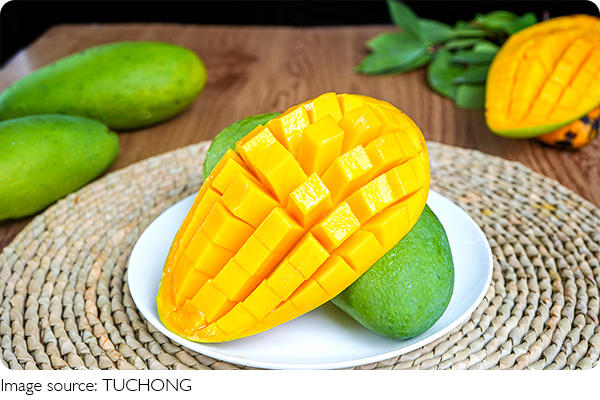
Fresh fruit is one of life's simple pleasures, but cutting it wrong or storing it poorly can turn a sweet snack into a messy, spoiled affair.
With the right techniques, you can make fruit easier to eat, last longer, and even look more appealing on the table. Here's a comprehensive guide to slicing, dicing, and storing fruit effectively.
1. Basic Cutting Techniques
Different fruits require different approaches. For example, melons are best cut in half, seeds removed, then sliced or cubed. Berries usually need only a quick rinse and stem removal. Citrus fruits can be peeled or sliced into wedges depending on how you plan to eat them.
Tip: Always use a sharp blade and a stable cutting board. A serrated blade works well for soft-skinned fruits like tomatoes and peaches.
2. Cutting for Easy Snacking
Cubing or slicing fruit into bite-sized pieces makes it easy to grab as a quick snack or add to cereals and salads. Pineapple can be cut into rings and then cubes, while mangoes can be scored into cubes while still in the peel for a neat “hedgehog” style.
Tip: Store pre-cut fruit in airtight containers for easy access during the week, but keep acidic fruits like apples or pears separate to prevent browning.
3. Creative Presentation
Fruit doesn't have to be boring. Cutting into interesting shapes or arranging in patterns makes it more inviting. Strawberry slices, melon balls, and kiwi slices arranged on a plate can turn a simple snack into an appealing platter.
Tip: Use cookie cutters for small shapes like stars or hearts on firm fruits such as melons and pineapples. Kids especially enjoy this playful presentation.
4. Preventing Browning
Some fruits like apples, pears, and bananas brown quickly after cutting. Using lemon or lime juice can slow oxidation, keeping fruit visually appealing and fresh-tasting.
Tip: Toss sliced apples in a little lemon juice before storing, or mix citrus juice into fruit salads that contain banana or pear.
5. Proper Storage Temperature
Most fruits stay fresh longer in a cool environment, but not all should be refrigerated immediately. Berries, grapes, and cut fruits benefit from refrigeration, while bananas and mangoes ripen better at room temperature.
Tip: Store berries in a ventilated container and avoid washing them until ready to eat to prevent mold.
6. Airtight Containers
Using airtight containers reduces exposure to air, slowing spoilage and keeping fruits juicy. This method works for pre-cut fruit, citrus wedges, and cubed melons.
Tip: Line containers with a paper towel to absorb excess moisture, which helps prevent mushiness and prolongs freshness.
7. Freezing for Later Use
Many fruits can be frozen to extend shelf life. Blueberries, sliced mangoes, and banana chunks freeze well and are perfect for smoothies or desserts later.
Tip: Spread fruit on a baking sheet first to freeze individually before transferring to a freezer bag. This prevents clumping and makes portions easy to grab.
8. Layering and Separation
Mixing certain fruits can accelerate spoilage due to ethylene gas production. Apples, bananas, and melons can ripen nearby faster. Separating sensitive fruits helps them last longer.
Tip: Keep high-ethylene fruits away from berries or citrus in storage to maintain overall freshness.
9. Quick Grab-and-Go Packs
Pre-cut fruits in small containers make snacking convenient. Combine a mix of colors and textures, like grapes, melon cubes, and apple slices, for a satisfying snack.
Tip: Portion into single-serving containers for easy school lunches or office snacks.
10. Regular Inspection
Even with the best storage, fruits can spoil unevenly. Check containers daily and remove any pieces that show signs of mold or softness to prevent spreading.
Tip: Keep a small blade handy to trim spoiled areas immediately, ensuring the rest of the fruit stays fresh longer.
Cutting and storing fruit properly not only preserves flavor and nutrients but also makes snacking effortless and enjoyable. With these techniques, fresh fruit can stay ready to eat for days, look appealing on the table, and reduce waste. A little planning and smart storage turn simple fruit into a convenient, delicious, and nutritious part of your daily routine.