How to Quickly Ripen Kiwis

Declan Kennedy
| 11-03-2026
 · Cate team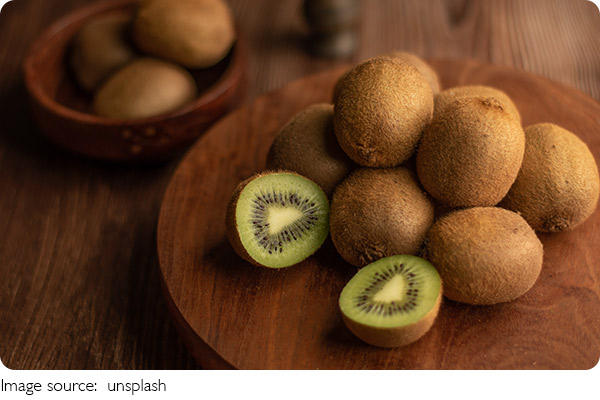
We all love a sweet, juicy kiwi, but sometimes we get home with a bunch and realize—they’re all rock hard. Biting into them is tough, and leaving them on the counter doesn’t seem to help. It feels like we bought unripe fruit, right? But the truth is, kiwis are “post-harvest ripening” fruits. That means most of the kiwis in stores aren’t fully ripe when we buy them.
Eating them hard isn’t just unpleasant—it’s also less nutritious. The vitamin C content and flavor are much lower in unripe kiwis compared to ripe ones. So why struggle when there’s a smarter way?
Why are store kiwis so hard?
Kiwis in supermarkets or markets often feel hard like stones. This isn’t because they’re fake—they just haven’t entered the post-ripening phase yet. Kiwis, like bananas, mangoes, and apples, are climacteric fruits. They continue to ripen after harvest, triggered by a natural plant hormone called ethylene. Ethylene helps break down pectin, increase sugars, and reduce acidity, turning kiwis soft, fragrant, and sweet. Leaving them alone can work, but it’s slow and sometimes risky because the fruit can spoil if left too long.
Can we eat hard kiwis?
Technically yes, but it’s not recommended. Hard kiwis contain higher tannins, making them bitter, sour, and potentially irritating to the stomach lining. People with sensitive digestion may experience bloating, acid reflux, or diarrhea. Research also shows that ripe kiwis have much higher vitamin C and sugar content. For example, mature kiwis can have around 14% sugar, while unripe ones only reach about 8%. So instead of biting hard kiwis, using scientific ripening methods is safer, tastier, and more nutritious.

Three fast and effective ways to ripen kiwis
Method 1: Bag with apples or bananas
This is the most recommended method. Apples and bananas release a lot of ethylene, which accelerates kiwi ripening. Place 2–3 apples or bananas in a plastic or paper bag with the kiwis, seal it, and leave it at room temperature for 1–2 days. By the next day, your kiwis should feel soft and fragrant. Avoid the fridge, as cold slows down ethylene activity and delays ripening.
Method 2: Bury in rice
A traditional but highly effective method, especially if your home always has a rice container. Rice emits a small amount of ethylene and keeps a stable temperature and humidity. Bury the kiwis in clean rice, cover the container, and leave it in a cool, shaded area. In 2–3 days, the kiwis will soften without much risk of bacteria.
Method 3: Microwave quick ripening
If you can’t wait, microwaving works in a pinch. Place a kiwi in the microwave, cover it, and heat for 5–10 seconds—never more than 15. Seal it and leave it for a few hours. This will soften the fruit quickly, but may slightly affect taste or cause uneven ripening, so it’s best for emergencies.
After ripening: Handle with care
Ripened kiwis enter a “high sugar, high water” state, making them prone to spoilage. Keep leftovers in the fridge and eat within 3 days. If the skin changes color, the flesh becomes sticky or sour, or there’s a strange smell, discard it immediately. People with blood sugar concerns should limit portions since sugar content rises after ripening.
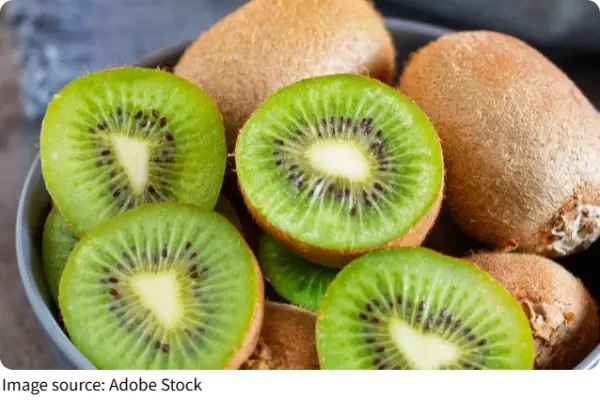
How to pick naturally ripe kiwis?
Some sellers use ethylene sprays or artificial ripening agents to make kiwis look ripe. These fruits can be soft outside but hard inside, affecting taste and digestibility. Here are some tips to pick good ones:
- Look: Choose kiwis with even fuzzy skin, no black spots, or cracks.
- Feel: Slightly soft but not mushy indicates proper ripeness.
- Smell: Ripe kiwis have a faint fruity aroma, while unripe ones smell green or bland.
Who Should Moderate Kiwi Intake?
Kiwis are vitamin C powerhouses, providing 100–200 mg per 100 g—far more than oranges or apples. However, some individuals should be cautious:
- Allergy-prone: Kiwi contains enzymes that may trigger mouth irritation or allergic reactions.
- Medication users: Vitamin K in kiwis can interfere with certain medication.
- Kidney concerns: Kiwis contain potassium, an important mineral for nerve and muscle function. However, people with kidney disease may need to limit high-potassium foods. The National Kidney Foundation explains that when kidney function is reduced, excess potassium can accumulate in the blood, so intake of potassium-rich foods should be monitored.
In summary
Hard kiwis don’t have to be a battle. Learning these three ripening tricks makes them soft, sweet, and nutritious. Instead of struggling with tough fruit, we can enjoy better flavor, more vitamin C, and a happier stomach. So Lykkers, the next time you grab kiwis, remember: a little patience—or the right trick—turns them into a treat!