Perfectly Fried Eggs

Chris Isidore
| 10-03-2026
 · Cate team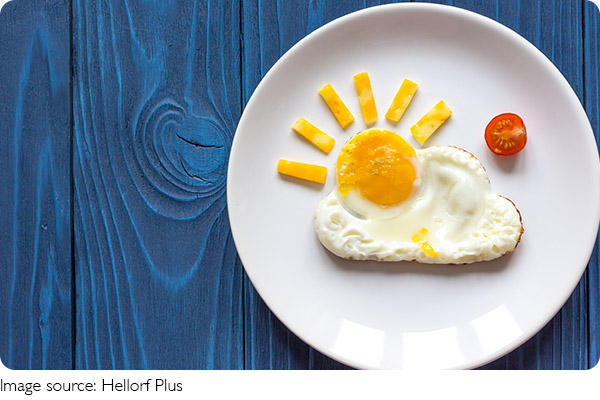
There's something deeply satisfying about the sizzle of an egg meeting a warm pan in the morning. That simple moment when the yolk settles in the center, and the aroma fills the kitchen—fried eggs are more than a breakfast staple; they're a canvas for flavor, texture, and creativity.
Yet, achieving the ideal fried egg isn't always effortless. With the right technique and attention, anyone can master eggs that are perfectly cooked to their taste.
Essential Ingredients
1. Eggs
Start with fresh eggs—2 per person is a standard serving. Freshness affects both flavor and texture, with yolks standing taller and whites holding together better.
2. Cooking oil or butter
Choose 1–2 teaspoons of butter, olive oil, or a neutral vegetable oil. Butter adds richness and a slightly nutty aroma, while oil helps create a lightly crisp edge.
3. Seasonings
A pinch of salt and freshly ground black pepper is the classic choice. Optional additions include smoked paprika, chili flakes, or fresh herbs like chives and parsley for extra aroma and visual appeal.
Cooking Steps
1. Preparing the pan
Warm a non-stick or well-seasoned skillet over medium heat. Add butter or oil and let it melt or warm gradually. The pan should be hot enough for a gentle sizzle without the butter or oil turning dark immediately.
2. Adding the eggs
Break eggs into a small bowl first to prevent shells from entering the pan and to ensure yolks remain intact. Then gently slide each egg into the pan, keeping some distance between them to allow even cooking.
3. Cooking to preference
- Sunny-side up: Cook 2–3 minutes until whites are set but yolks remain runny. Covering the pan for 30 seconds can help whites cook more evenly.
- Over-easy/medium: Flip carefully with a spatula and cook an additional 15–45 seconds depending on yolk firmness desired.
- Crispy edges: Slightly increase heat at the start, then reduce to medium. This creates a lightly browned, textured edge without overcooking the yolk.
Tips and Precautions
1. Temperature control
Avoid high heat; it can cause whites to become rubbery and yolks to overcook. Medium to medium-low heat offers the best balance for texture.
2. Pan care
Use silicone or wooden spatulas to prevent scratching non-stick pans. Ensure the pan has enough butter or oil to reduce sticking.
3. Timing and monitoring
Eggs cook quickly, so stay attentive. Even a few extra seconds can change runny yolks into firm ones. Watch closely, especially when cooking multiple eggs simultaneously.
Serving Suggestions
1. Classic breakfast plate
Serve fried eggs with toasted bread, avocado slices, and fresh tomatoes. A sprinkle of herbs adds color and subtle flavor.
2. On bowls and salads
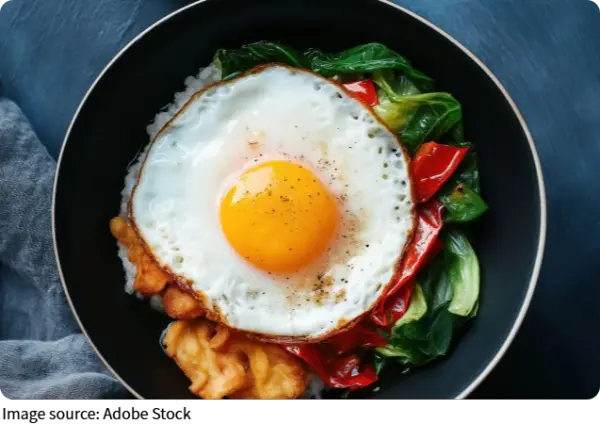
Top grain bowls, roasted vegetables, or fresh salads with a fried egg to add richness, protein, and a visually striking element.
3. Flavor variations
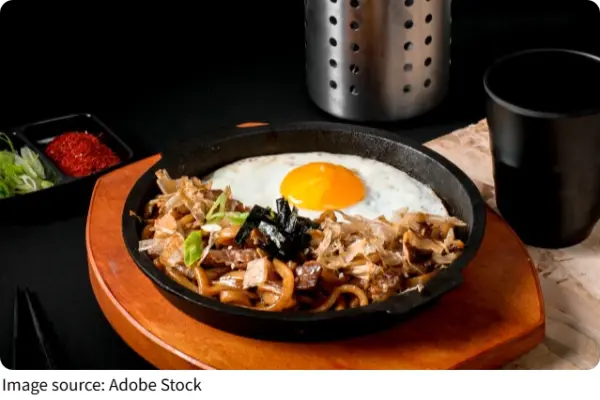
Experiment with flavored oils, a light drizzle of soy sauce, or a dash of hot sauce to create unique versions while keeping the basic technique intact.
Mastering fried eggs is both practical and satisfying. Each attempt teaches subtle lessons about heat, timing, and technique. Once you understand the delicate balance of pan temperature, cooking oil or butter, and yolk preference, frying eggs becomes second nature. The next time you place an egg in a pan, notice the textures, the aromas, and the colors—they transform a simple breakfast into a small but meaningful culinary accomplishment.