Beginner’s Guide to Hiking

Ravish Kumar
| 06-03-2026
 · Travel team
It usually begins with a simple moment: you look up at a mountain trailhead sign, glance at the path disappearing into the trees, and wonder whether you can actually make it to the top.
That small question—“Could I hike that?”—has inspired countless first adventures.
Mountain hiking is often misunderstood as something only experienced adventurers can do. In reality, many trails are designed for beginners. National parks, protected forests, and nature reserves around the world maintain marked paths that gently introduce hikers to elevation, terrain, and changing landscapes. With the right preparation, even someone with little outdoor experience can enjoy a rewarding first climb.
The key is not speed or distance. The real goal is learning how to move comfortably through nature—step by step, trail by trail.
Choosing the Right Gear
1. Comfortable hiking shoes
Footwear is the single most important piece of hiking equipment. Beginners should look for lightweight hiking shoes with good grip and ankle support. Trails often include loose gravel, roots, or wet soil, and regular sneakers can slip easily. A proper hiking sole improves stability and reduces fatigue during longer walks.
2. Weather-appropriate clothing
Mountains can change conditions quickly. Even on warm days, temperatures may drop at higher elevations. Wearing breathable layers allows you to adjust easily. A light jacket, moisture-wicking shirt, and a hat for sun protection are common essentials.
3. Small backpack essentials
A compact daypack keeps important items within reach. Most beginner hikers carry water, simple snacks, sunscreen, a basic map or phone navigation, and a small first-aid kit. Many parks recommend at least one liter of water for every two hours of hiking.
Building Basic Hiking Fitness
1. Start with shorter trails
One of the most common beginner mistakes is choosing a trail that is too long or steep. Many parks classify trails by difficulty. Look for routes labeled “easy” or “moderate,” usually between 3–6 kilometers in total distance. These trails provide a comfortable introduction to elevation without overwhelming new hikers.
2. Train with regular walking
You do not need a complex training plan. Simply walking regularly helps prepare your body. A daily 30-minute walk builds endurance, strengthens leg muscles, and improves balance. Adding gentle hills or stair climbs gradually simulates the movement you will experience on mountain trails.
3. Practice steady pacing
New hikers often start too quickly and tire early. A steady rhythm is far more effective. Many experienced hikers follow a simple rule: if you can comfortably hold a conversation while walking, your pace is probably right.
Planning Your First Trail Route
1. Research the trail details
Before heading out, check the trail length, elevation gain, and estimated hiking time. Many park websites provide maps and visitor information. Trails under 500 meters of elevation gain are typically manageable for beginners.
2. Check weather conditions
Mountain weather can shift quickly, especially in the afternoon. Clear mornings are often the best time to hike. Checking forecasts the day before and the morning of your trip helps avoid unexpected rain or strong winds.
3. Tell someone your plan
Even on easy trails, it is wise to share your route and expected return time with a friend or family member. This simple habit is widely recommended by outdoor safety organizations.
Staying Safe on the Trail
1. Follow marked paths
Trail markers and signs exist for a reason. They help hikers avoid unstable ground, protect sensitive environments, and guide visitors safely through the landscape. Staying on designated routes also prevents accidental disorientation.
2. Watch your energy and hydration
Frequent short breaks are better than one long stop. Drink water regularly, especially during warm weather. Simple snacks such as fruit, nuts, or energy bars can help maintain steady energy during longer hikes.
3. Respect the natural environment
Mountain areas are delicate ecosystems. Carry out all trash, avoid disturbing wildlife, and stay quiet in scenic viewpoints. These small actions help preserve trails for future hikers.
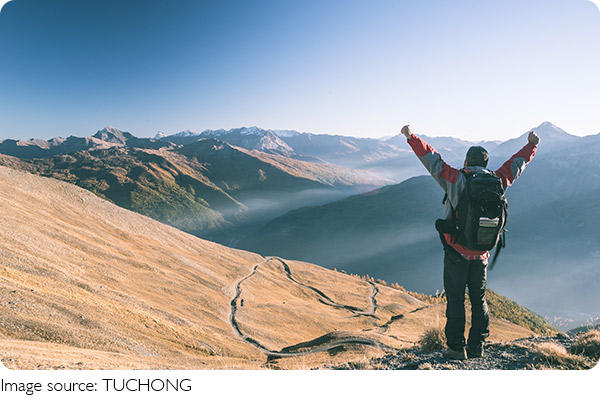
The first mountain hike rarely looks dramatic in photographs. It may simply be a quiet path through trees, a slow climb toward a ridge, and a moment when the landscape opens into a wide view. Yet those small moments often become the beginning of something larger.
Many experienced hikers can still remember their first trail—the uncertainty, the steady steps, and the surprising feeling of standing at a viewpoint they once thought was out of reach. If a mountain path has ever made you pause and wonder, that curiosity might be the perfect reason to start walking.