Aerial Photography

Tessa
| 05-03-2026
 · Travel team
Have you ever looked down at a city or forest from above and wondered how photographers capture those breathtaking aerial views?
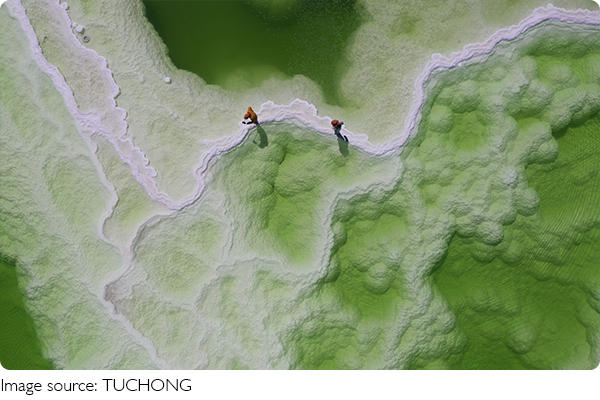
Aerial photography opens a whole new perspective, revealing patterns, textures, and landscapes that are invisible from the ground.
Whether you're flying over mountains, lakes, or urban streets, the magic lies in planning, understanding your equipment, and learning a few key techniques.
Essential Equipment
Choosing the Right Drone
Select a drone that fits your skill level and budget. Entry-level models often feature built-in stabilization and GPS, which are crucial for smooth shots. More advanced drones offer higher resolution cameras and manual controls for creative flexibility.
Camera Settings
Mastering manual settings is key to capturing sharp, professional-looking aerial images. Below are specific starting points you can adjust depending on light and conditions.
- Bright Daylight (Sunny Conditions)
ISO: 100 (keep it as low as possible for maximum image quality)
Shutter Speed: 1/500 – 1/1000 sec (to freeze motion and avoid blur from drone movement)
Aperture: f/4 – f/8 (for balanced sharpness and depth of field)
White Balance: Daylight (or set manually to avoid color shifts)
File Format: RAW (for better post-processing flexibility)
Tip: Use an ND8 or ND16 filter to reduce harsh light and maintain proper shutter speed without overexposing.
- Golden Hour (Early Morning / Late Afternoon)
ISO: 100–200
Shutter Speed: 1/250 – 1/500 sec
Aperture: f/4 – f/5.6
White Balance: Cloudy (to enhance warm tones)
This is ideal for capturing long shadows, textures, and dramatic city or landscape patterns.
- Cloudy or Overcast Conditions
ISO: 200–400
Shutter Speed: 1/250 – 1/500 sec
Aperture: f/4 – f/5.6
Cloud cover creates soft, even lighting, which reduces harsh shadows and works beautifully for forests and architectural shots.
- Low Light / Sunset (Advanced Users)
ISO: 400–800 (avoid going too high to reduce noise)
Shutter Speed: Minimum 1/200 sec (to prevent motion blur while hovering)
Aperture: As wide as possible (f/2.8–f/4 depending on drone model)
Important: Since drones are constantly stabilizing in the air, avoid very slow shutter speeds unless conditions are completely windless.
- For Cinematic Video Footage
Follow the 180-degree shutter rule:
If shooting at 24fps → use 1/50 sec shutter
If shooting at 30fps → use 1/60 sec shutter
ISO: Keep as low as possible
Use ND filters to control exposure and maintain natural motion blur.
Accessories
Extra batteries, ND filters, and propeller guards are valuable for longer flights, reducing glare, and protecting your drone. A portable case ensures safe transport to remote locations.
Flight Planning
1. Understand Local Regulations
Before flying, check local drone rules regarding altitude limits, no-fly zones, and privacy restrictions. Safety ensures both legal compliance and peace of mind.
2. Scout Locations
Plan flights in visually appealing areas with interesting shapes, colors, or patterns. Lakes, cityscapes, forests, and mountain ranges make ideal subjects. Use apps or maps to preview terrain and obstacles.
3. Weather Considerations
Avoid strong winds, rain, or fog, as they can reduce stability and visibility. Early mornings or late afternoons often provide softer light and fewer crowds, improving shot quality.
Techniques for Stunning Shots
1. Composition and Angles
Experiment with top-down, diagonal, and oblique angles. Use the rule of thirds, leading lines, and natural patterns to guide the viewer's eye.
2. Smooth Movements
Slow, steady movements create cinematic footage. Avoid sudden turns or rapid altitude changes, as they can disrupt composition and cause motion blur.
3. Post-Processing
Use photo-editing software to enhance contrast, saturation, and sharpness. Correcting perspective and removing lens distortion can make aerial images more polished.
Safety and Best Practices
1. Pre-Flight Checks
Ensure propellers, battery, GPS, and camera are in good condition. Calibrate sensors and check the environment for obstacles.
2. Maintain Line of Sight
Always keep your drone within visual range to react quickly to obstacles or sudden weather changes.
3. Respect Others
Avoid flying over private property without permission, and minimize noise in public spaces. Responsible flying preserves both safety and enjoyment for everyone.
Summary & Inspiration
Aerial photography transforms ordinary landscapes into captivating visuals, allowing you to see the world from a new vantage point. By combining proper equipment, careful planning, and thoughtful composition, even beginners can create stunning aerial images. Remember, practice is essential—start with small flights, learn from each session, and gradually explore more complex locations. Soon, your drone will become an extension of your creative vision, capturing stories from above that are impossible to see from the ground.