Eat the Rainbow Every Day

Chris Isidore
| 09-03-2026
 · Cate team
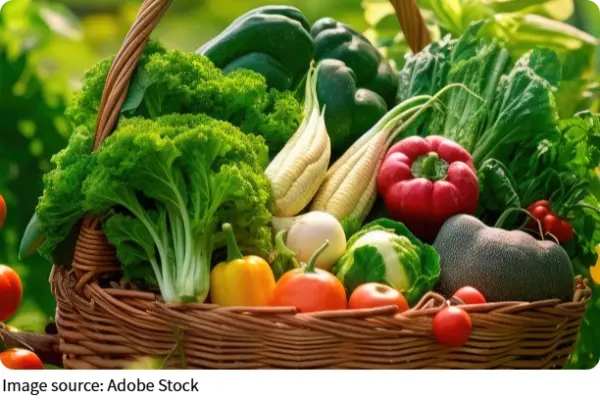
Have you ever noticed how a plate full of vibrant vegetables just makes you feel energized? It's not only a feast for the eyes—those reds, yellows, oranges, and purples also pack a serious nutritional punch.
Eating a variety of colors isn't just about aesthetics; it's a simple way to ensure your body gets a wide range of vitamins, minerals, and antioxidants. From crunchy bell peppers to earthy beets, every hue brings its own health benefits and flavor profile to the table.
Why Color Matters?
Red Vegetables: Heart & Immunity Support
Red vegetables like tomatoes, red bell peppers, and radishes are rich in lycopene and vitamin C. Lycopene has been linked to heart health, while vitamin C boosts the immune system. Try roasting red peppers or adding fresh tomato slices to sandwiches for a burst of flavor and nutrition.
Orange & Yellow Vegetables: Vision and Skin Benefits
Carrots, yellow bell peppers, and pumpkin are rich in beta-carotene, a pigment the body converts into vitamin A. According to the National Institutes of Health, vitamin A is essential for maintaining healthy vision and supporting the growth and repair of skin and other tissues. Adding these vegetables to meals is simple—try grating carrots into salads, sautéing yellow peppers with garlic, or roasting pumpkin for a naturally sweet flavor.
Green Vegetables: Vital Minerals and Fiber
Greens like spinach, kale, and broccoli are packed with important nutrients, including fiber, calcium, and iron. Nutrition experts at the Harvard T.H. Chan School of Public Health note that leafy greens support digestive health, help maintain strong bones, and contribute to overall wellness. Try blending spinach into smoothies, steaming broccoli as a simple side dish, or baking kale with a drizzle of olive oil for a crisp, flavorful snack.
Adding Color to Every Meal
Breakfast Boosters
Start the day with a colorful vegetable omelet or a smoothie packed with spinach, carrot juice, and red bell pepper. This combination provides protein, fiber, and antioxidants before your morning coffee even hits.
Lunchtime Layers
Make salads vibrant with a mix of beets, cherry tomatoes, yellow peppers, and purple cabbage. Include some quinoa or chickpeas for protein, and drizzle with lemon or vinaigrette for a refreshing taste.
Dinner Enhancements
Roast a medley of colorful vegetables as a side dish—sweet potatoes, zucchini, red onions, and bell peppers bring both visual appeal and complex flavors. Stir-fry combinations are also ideal: the quick cooking preserves nutrients while keeping colors bright.
Practical Tips for Vibrant Veggies
Freshness is Key
Choose vegetables that are firm, crisp, and bright. Fresh produce retains nutrients and adds better texture and flavor to your meals.
Mix Cooking Methods
Raw, steamed, roasted, or sautéed—varying your cooking methods helps preserve nutrients and adds new tastes and textures to familiar vegetables.
Plan for Convenience
Wash, chop, and store vegetables in advance. Having colorful, ready-to-use vegetables makes it easy to add them to any meal, increasing the likelihood of daily consumption.
Flavor Wisely
Use herbs, spices, and healthy oils to enhance natural flavors without overwhelming them. Garlic, cumin, lemon, and chili flakes work particularly well with colorful vegetables.
Eating the rainbow doesn't just brighten your plate; it supports your body in multiple ways, from eye health to immunity and digestion. Small daily habits like adding a handful of diced peppers to lunch or tossing roasted carrots into dinner can make a big difference over time. Next time you shop, challenge yourself to pick at least one vegetable of each color—you'll be surprised how exciting healthy eating can be.
A colorful plate isn't just beautiful—it's a vibrant step toward better health. Try experimenting with new vegetables, combining textures, and noticing how your meals look and feel. Your taste buds and your body will thank you.