The Balance of Texture

Pankaj Singh
| 05-03-2026
 · Lifestyle team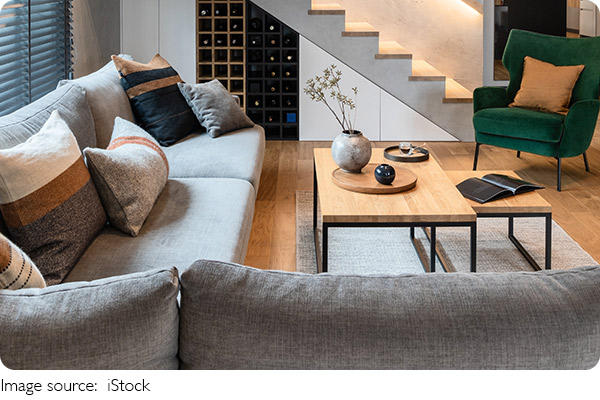
The first thing you notice when stepping into a thoughtfully designed living room isn't the color of the walls or the size of the sofa.
It's how the space feels. Your hand brushes across a linen cushion, your eyes catch the cool sheen of a metal lamp, and your feet settle onto a dense wool rug.
Comfort and structure coexist. Nothing overwhelms. Nothing disappears. The harmony comes from contrast.
At its core, material contrast is not about decoration—it is about balance. When soft and hard surfaces are intentionally paired, a living room gains depth, rhythm, and emotional warmth. The key is understanding how each material behaves visually and physically, and how they support each other rather than compete.
The Dialogue Between Soft and Hard
A room composed entirely of soft materials—plush upholstery, heavy curtains, padded surfaces—can feel visually flat and physically heavy. On the other hand, a room dominated by stone, metal, and glass may appear sleek but emotionally distant. The solution lies in deliberate pairing.
1. Wood grounds the space
Wood introduces warmth without overwhelming softness. Oak floors, walnut coffee tables, or ash shelving add natural grain patterns that soften rigid architecture. Unlike painted surfaces, wood reflects light unevenly, giving subtle visual texture. This makes it an ideal bridge between hard stone and soft textiles.
2. Metal sharpens the silhouette
Metal—whether brushed brass, matte black steel, or polished chrome—adds definition. A slim steel frame beneath a sofa or a brass floor lamp introduces linear clarity. The reflective quality of metal also contrasts beautifully with matte fabrics, enhancing visual tension without adding clutter.
3. Stone anchors with weight
Marble, travertine, or slate surfaces provide visual stability. A stone-topped table or fireplace surround offers a dense, grounded presence. Because stone is both cool in temperature and smooth in finish, it benefits from being balanced by tactile elements like woven rugs or upholstered seating.
The interaction among these materials creates a subtle conversation. Hard surfaces define structure; soft elements invite touch.
Layering for Depth, Not Noise
Material contrast should build dimension, not chaos. The most successful interiors follow a restrained layering strategy.
1. Start with a dominant base
Choose one material to act as the visual foundation. In many living rooms, wood flooring serves this purpose. Its consistent tone provides cohesion. From there, introduce contrast incrementally rather than all at once.
2. Vary texture within the same color family
Depth increases when surfaces differ in texture but share tonal harmony. For example, a charcoal linen sofa paired with a matte black metal lamp and a dark-stained wood table maintains color consistency while preventing monotony. The eye reads contrast through texture rather than hue.
3. Balance temperature and reflectivity
Materials carry temperature associations. Stone and metal feel cool; wool and cotton feel warm. Highly reflective finishes amplify light, while matte fabrics absorb it. Pairing reflective metal with soft, light-absorbing textiles ensures the room feels dynamic rather than sterile.
A practical example can be seen in Scandinavian-inspired interiors: pale wood floors, white plaster walls, linen upholstery, and minimal black steel accents. The palette is simple, yet the interplay of smooth and textured surfaces prevents the space from appearing flat.
The Role of Touch in Visual Design
Even in a space primarily experienced visually, touch plays a psychological role. Studies in environmental psychology have shown that tactile diversity increases perceived comfort. When occupants can interact with varied surfaces—soft cushions, smooth tabletops, woven throws—the environment feels richer and more inviting.
1. Introduce textiles strategically
Area rugs define seating zones while softening acoustics. Linen curtains diffuse natural light. Cotton or wool throws add seasonal adaptability without permanent changes.
2. Maintain structural clarity
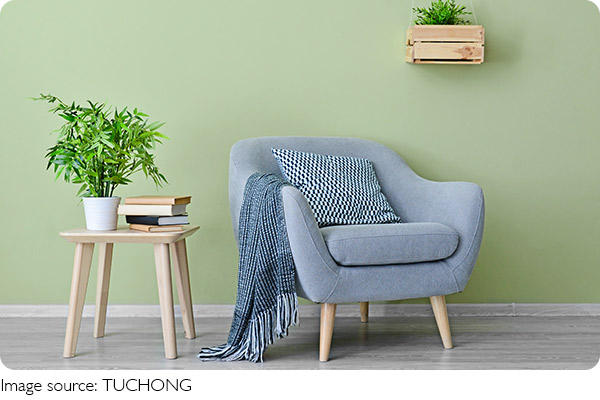
While textiles bring comfort, hard materials preserve architectural order. A marble side table beside a fabric armchair keeps the arrangement from feeling overly casual.
3. Avoid over-layering
Too many competing textures can create visual fatigue. Limit the primary material palette to three or four core elements. Repetition builds cohesion; variation builds interest.
The goal is not maximalism. It is controlled contrast.
A living room designed with thoughtful material interplay does more than look curated—it feels intentional. When a smooth stone surface rests beside woven fabric, when cool metal meets warm wood, the room gains quiet complexity. That balance invites people to linger.
Next time you rearrange a space or select a new piece, pause before choosing purely on color. Run your hand across the surface. Ask how it will converse with what already exists. A room comes alive not when everything matches, but when softness and structure learn to share the same ground.