Mount Williamson Adventure

Samir
| 23-03-2026
 · Travel team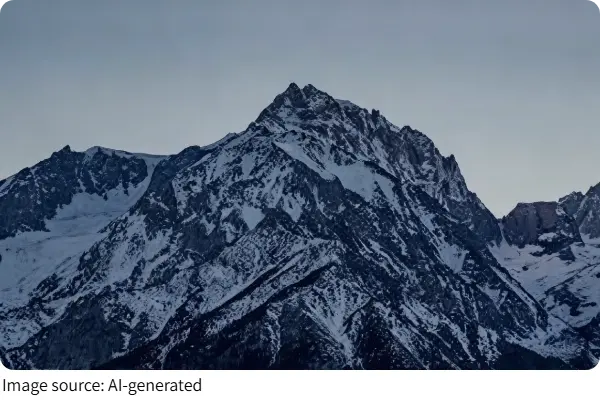
If you're craving wide-open wilderness, dramatic granite peaks, and that deep sense of achievement that only comes from high-altitude hiking, Mount Williamson might be calling your name. Rising boldly in California's Eastern Sierra, this mountain is the second-highest peak in the Sierra Nevada and far less crowded than its famous neighbor, Mount Whitney. What makes Mount Williamson special isn't just its height — it's the raw, untouched feeling of the landscape.
Alpine lakes, rugged ridgelines, and sweeping desert views stretch for miles. This is a destination for adventurous hikers who want challenge, silence, and unforgettable scenery.
Weather & Best Time to Visit
1. Spring (April–June)
Snow remains at higher elevations. Daytime 10–20°C at lower trailheads. Not ideal for summit attempts unless experienced with snow travel.
2. Summer (July–September)
Mild 15–25°C at base; cooler at altitude. Best season for hiking and backpacking. Afternoon thunderstorms possible in July.
3. Autumn (October)
Cool 5–18°C. Fewer hikers and crisp air. Some early snow may arrive by late October.
4. Winter (November–March)
Heavy snow, sub-zero temperatures at higher elevations. Access roads may close.
Best months: Late July through September offers stable weather and accessible trails. Start hikes early to avoid afternoon storms.
Mt Williamson
Airport Transportation
Main airports:
Reno–Tahoe International Airport (RNO)
Los Angeles International Airport (LAX)
From Reno Airport:
Drive to Independence, CA: 4.5–5 hours, car rental $60–100 per day.
Public transport is limited; car recommended.
From Los Angeles Airport:
Drive via US-395: 4.5–5.5 hours.
Rental car essential for trailhead access.
Tip: Renting a car is the most practical option, as trailheads are remote with no direct public transport.
City Transportation
Bus/Public transit
Limited Eastern Sierra Transit buses run along US-395 between Lone Pine and Bishop. Fare $3–6 per segment. Does not reach high trailheads.
Train
No direct train service to Independence. Nearest Amtrak routes require long transfers.
Tips
Plan fuel stops in advance. Cell service is limited near Shepherd Pass Trailhead.
Attractions & Suggested Itinerary
1. Shepherd Pass Trailhead
Highlights: Main route to Mount Williamson summit. Challenging 11-mile ascent to Shepherd Pass.
Address: West of Independence, CA (via Foothill Road).
Access: 40-minute drive from Independence.
Open: Late spring to autumn depending on snow.
Permit: Free wilderness permit required.
Tip: Acclimatize before attempting summit; total round trip often 2–3 days.
2. Anvil Camp
Highlights: Popular overnight camping spot before summit push.
Access: Along Shepherd Pass Trail.
Open: Seasonal.
Fee: Included in wilderness permit.
Tip: Carry sufficient water; some streams may dry late summer.
3. Owens Valley Scenic Drive
Highlights: Stunning views of Sierra peaks and desert contrast.
Location: Along US-395.
Open: Year-round.
Free access.
Tip: Sunrise and sunset offer incredible photo opportunities.
4. Lone Pine Lake (nearby alternative)
Highlights: Easier hike option with alpine scenery.
Access: From Whitney Portal area.
Permit: Day permit may be required in peak season.
Tip: Good acclimatization hike before bigger climbs.
Dining Recommendations
Breakfast & Brunch / Casual Meals
• Alabama Hills Cafe & Bakery – A cozy local favorite for breakfast, pastries, sandwiches, and fresh coffee.Price is roughly $10–$20 per person.
Lunch & Dinner Options
• The Grill – Popular local restaurant serving breakfast, lunch, and dinner with everything from classic American dishes to seafood. Typically moderate dinner prices cost around $15–$25+ per person.
Accommodation Recommendations
Independence: Mt. Williamson Motel
Rooms $90–140 per night. Simple and convenient for early trail starts.
Lone Pine: Dow Villa Motel
Rooms $120–180. Comfortable rooms and central location.
Camping: Eastern Sierra campgrounds
$10–25 per night. Basic facilities; reserve early in summer.
Tips: Book lodging well ahead during peak hiking season. Staying in Lone Pine provides more dining and supply options.
Budget & Costs
Flights
Domestic US flights $150–400 round trip.
Accommodation
$90–180 per night hotels; camping $10–25.
Transport
Car rental $60–100 per day; fuel costs extra.
Meals
Casual dining $12–25 per meal.
Attractions
Wilderness permit free; camping fees may apply.
Tips to save
Camp instead of hotel stays, share car rental costs, and travel in shoulder season.
Mount Williamson is not a casual stroll — it's a rewarding alpine challenge surrounded by some of California's most dramatic landscapes. With reliable summer weather, accessible road routes, and affordable camping options, it's a fantastic choice for experienced hikers seeking quieter trails.
Prepare properly with maps, extra water, and altitude awareness. Start early, monitor weather forecasts, and respect wilderness regulations. If you're ready for big skies, rugged trails, and a summit view you'll never forget, Mount Williamson might just be your next unforgettable adventure.