Light Tricks That Calm You

Caroll Alvarado
| 06-03-2026
 · Lifestyle team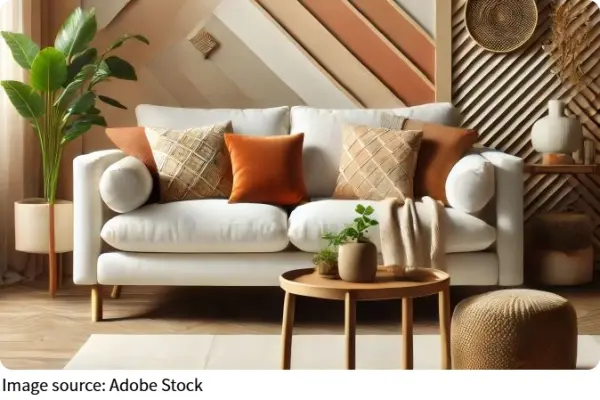
I once visited a friend's home and sat in a living room where sunlight poured through floor-to-ceiling windows onto pale wooden floors.
The warmth and brightness instantly made me feel at ease. In contrast, another living room of similar size, though filled with elegant furniture, felt cramped and dull because of dim lighting and dark walls.
That moment made me realize just how dramatically light and color can influence the mood of a space.
Harnessing Natural Light
1. The importance of window orientation
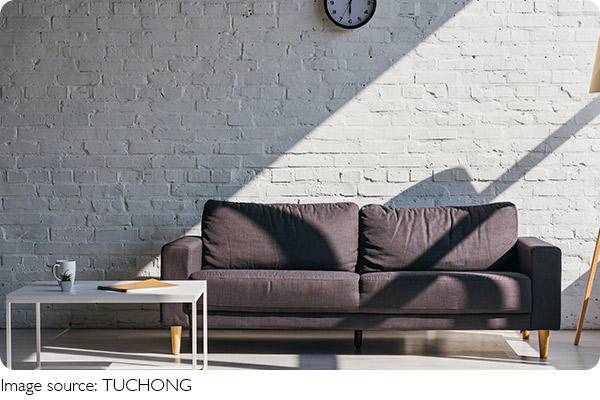
The strength and angle of natural light directly affect the living room's atmosphere. South-facing windows bring abundant sunlight, ideal for a bright, open feel. North- or east-facing windows provide softer light, creating a calmer, cozier environment. Light, sheer curtains can diffuse sunlight to prevent harsh glare while maintaining a gentle glow.
2. Light reflection and diffusion
Light-colored walls and floors reflect sunlight, making a space feel larger and brighter. Mirrors or glass furniture can further enhance light flow, reducing shadowed areas and bringing energy into the room.
3. Complementing with natural elements
Placing plants or wooden furniture can create subtle variations in light as sunlight filters through leaves and textures. This adds depth and softens the light for a natural, dynamic ambiance.
Artificial Lighting Strategies
1. Layered lighting
Living rooms serve multiple purposes: relaxing, reading, entertaining. A combination of overhead lights for general illumination and floor, table, or wall lamps for specific zones works best. For example, a warm table lamp in a reading nook and a soft overhead fixture near the sofa create comfort while maintaining function.
2. Choosing light color temperature
Cool white light suits modern or Scandinavian-style interiors, giving a crisp, bright feel. Warm white light works well in traditional or natural styles, creating coziness. When mixing sources, balance the color temperature to avoid harsh contrasts.
3. Creating depth with shadows and highlights
Adjusting the height and angle of lights can create interesting shadows on walls, floors, or decor, enhancing spatial perception. Wall-mounted or spotlight fixtures can highlight feature walls or artwork, adding visual interest.
The Impact of Color on Space
1. Wall colors
Light-colored walls make a room feel open and airy, while dark walls add depth and a sense of enclosure. Using a darker accent wall with lighter surrounding walls creates visual layers.
2. Flooring and furniture
Light-colored floors combined with light furniture expand perceived space, while dark furniture acts as a focal point and prevents monotony. Natural wood tones also enhance warmth and comfort under sunlight.
3. Accent colors and accessories
Throw pillows, rugs, and artwork can coordinate with walls or furniture to unify the space. Bright accents bring energy and personality without overwhelming the room.
When light and color are used thoughtfully, a living room becomes more than a functional space—it shapes emotions. Morning sunlight can energize, while warm evening lighting soothes and relaxes. Every adjustment in light or color is like composing a subtle symphony for daily life.
Next time you step into your living room, pause to notice how light glides across the floor and how colors interact with furniture. You'll realize that smart use of light and color not only beautifies a space but quietly enhances your mood, turning your home into a truly comfortable retreat.