The Science of Freezing

Rafael
| 18-03-2026
 · Travel team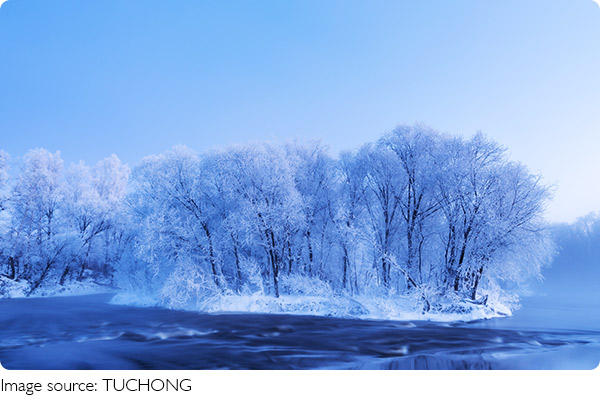
Watching water slowly turn into ice on a cold morning can feel magical.
The liquid that flows and ripples suddenly becomes solid, creating frost patterns on windows or glistening sheets on ponds.
Yet behind this everyday phenomenon lies fascinating science. Freezing is not just a simple change from liquid to solid—it reflects the behavior of molecules, energy transfer, and environmental conditions that affect life and weather alike. Understanding the process of freezing helps us appreciate both natural patterns and practical applications in daily life.
How Freezing Works
1. Molecular behavior
Water is made of molecules that constantly move. In liquid form, these molecules slide past one another, allowing water to flow. As temperature drops, the molecules slow down and begin to form a structured arrangement called a crystal lattice. When enough molecules align, water solidifies into ice.
2. Freezing point and factors
Pure water freezes at 0°C (32°F) under standard pressure. However, impurities like salt or sugar lower the freezing point, which is why seawater freezes at a lower temperature than fresh water. Pressure and altitude can also influence when freezing occurs.
3. Energy exchange
Freezing releases energy into the surrounding environment, called latent heat of fusion. This energy release explains why ice formation can slightly warm nearby surfaces or slow down further cooling, a principle that impacts weather patterns and ice formation in nature.
Different Types of Ice Formation
1. Surface ice
Lakes, ponds, and puddles often freeze from the top down. The surface loses heat faster than the deeper layers, forming a thin sheet of ice while water below remains liquid.
2. Frost and hoarfrost
When water vapor in the air contacts surfaces below freezing, it transforms directly into ice crystals. Frost patterns on leaves, grass, or windows are an example of this direct deposition from gas to solid.
3. Glacial and sea ice
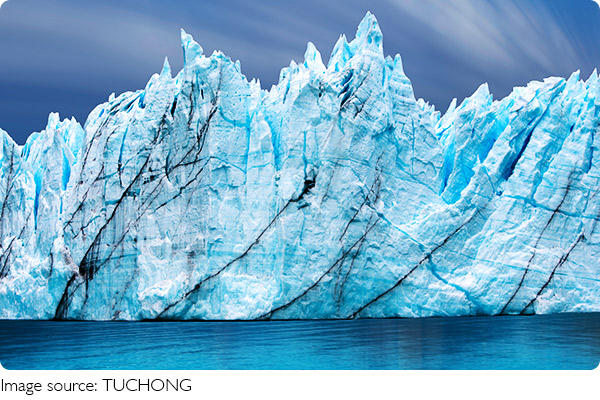
Over time, snow and compacted ice in glaciers or polar regions undergo slow freezing and compression. Sea ice forms when ocean surfaces reach freezing temperatures, with varying thickness depending on wind, currents, and temperature fluctuations.
❄️ Glacier & Ice Destinations
- Svalbard, Norway — A dramatic Arctic archipelago with more than 2,100 glaciers and opportunities to see icebergs, dog‑sledding and glacial landscapes.
- Greenland — Known for its vast ice cap and massive glaciers like Sermeq Kujalleq, where huge icebergs break off into Ilulissat Icefjord.
- Perito Moreno Glacier, Argentina — One of Patagonia’s most accessible glaciers where you can witness ice calving and explore blue ice up close.
❄️ Frozen Lakes & Ice Water Sights
- Apostle Islands Ice Caves (Wisconsin, USA) — When Lake Superior’s shoreline freezes, sea caves become walk‑in ice formations with dazzling icicles and frozen arches.
- Michigan Ice Phenomena (Straits of Mackinac & beaches) — Rare winter events like blue ice, ice balls, and ice volcanoes along Great Lakes shores make for surreal scenes.
❄️ Ice Caves & Underground Ice
- Eisriesenwelt Ice Cave (Austria) — The world’s largest ice cave, with kilometers of natural ice passages formed by freezing conditions.
- Mendenhall Ice Caves (Alaska, USA) — Shimmering blue ice caves beneath a massive glacier, visible by kayaking and hiking.
- Langjökull Ice Tunnel (Iceland) — A man‑made path into Europe’s largest glacier where visitors walk through ancient ice layers.
Practical Implications of Freezing
1. Safety and transportation
Understanding freezing is critical for roads, bridges, and aviation. Black ice forms when a thin layer of water freezes without visible frost, posing dangers to vehicles and pedestrians.
2. Preservation and food
Freezing slows molecular movement, preventing bacterial growth. This principle allows long-term storage of food, medicines, and biological samples, preserving quality and safety.
3. Environmental effects
Ice impacts ecosystems, from polar habitats to freshwater environments. Frozen surfaces provide shelter for some species while limiting access to liquid water for others, influencing migration and survival strategies.
Freezing is a remarkable process that bridges everyday life and scientific principles. From delicate frost on a window to the massive expanse of polar ice, it demonstrates how temperature, energy, and molecular behavior interact to create the solid forms we often take for granted. Observing and understanding freezing not only enriches our curiosity about the natural world but also enhances safety, preservation, and environmental awareness in practical ways.