Azores: Atlantic Escape

Mei
| 04-03-2026
 · Travel team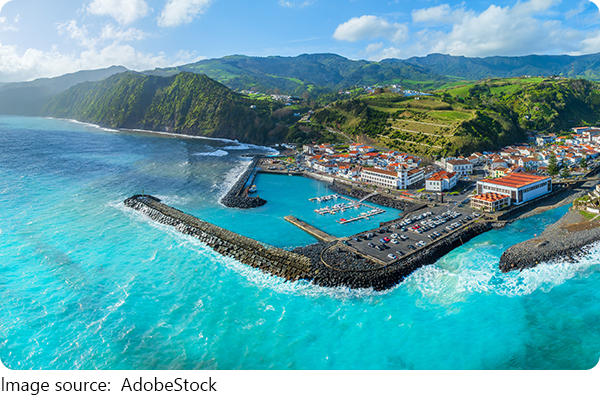
The runway appears out of mist, framed by green pastures and dark volcanic stone walls. As the plane touches down, you realize this is not a typical beach holiday. The Azores feel raw, windswept, and quietly dramatic from the very first moment.
An autonomous region of Portugal, the Azores consist of nine volcanic islands scattered across the North Atlantic.
São Miguel, the largest island, is usually the starting point—and an ideal base for exploring crater lakes, geothermal springs, and cliff-lined coastlines.
The Azores
Sete Cidades: Twin Lakes in a Crater
What makes it special
Sete Cidades is a massive volcanic caldera on the western side of São Miguel. Inside the crater sit two lakes—one appearing blue, the other green—separated by a narrow bridge. The best panoramic view is from Miradouro da Boca do Inferno, where the layered landscape reveals rolling hills, water, and distant ocean in a single frame.
Opening hours and price
The viewpoints are open year-round and accessible at any time. There is no entrance fee to visit the caldera or the main overlooks. Parking areas near the viewpoints are also free, though spaces fill quickly during summer months.
How to get there
From Ponta Delgada, the island's main city, it takes about 40 minutes by car via EN1-1A and regional roads. Renting a car is highly recommended, as public buses run infrequently to remote viewpoints.
Furnas: Geothermal Heart of the Island
Terra Nostra Park
Located in the town of Furnas, Terra Nostra Park is famous for its large thermal pool surrounded by botanical gardens. The iron-rich water maintains a temperature around 35–40°C. The park is typically open daily from 10:30 a.m. to 4:30 p.m., though hours may vary seasonally. Standard general admission is approximately €10–12.
Furnas Lake
Near Lagoa das Furnas, steam rises from geothermal vents where locals traditionally cook dishes underground using natural heat. Visitors can walk around the lake on marked trails. Access to the geothermal area requires a small environmental fee, generally around €3 per person.
Planning tips
Arrive early in the morning to avoid tour groups. Bring a dark swimsuit for thermal bathing, as the mineral-rich water can stain light fabrics.
Whale Watching and Coastal Views
Marine life experiences
The waters around the Azores are known for frequent sightings of dolphins and various whale species. Guided tours depart from Ponta Delgada and other coastal towns. Excursions typically last 3 hours and cost between €60 and €75 per visitor. Operators provide safety briefings and waterproof jackets.
Cliffside viewpoints
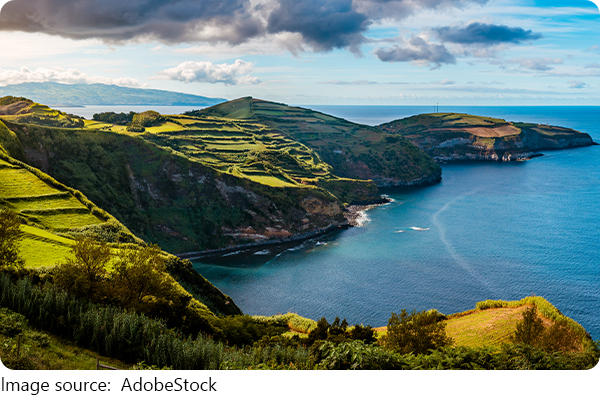
Miradouros—designated scenic overlooks—are scattered across São Miguel. Miradouro de Santa Iria, located along the northern coast, offers sweeping views of rugged cliffs and open ocean. These viewpoints are open-access and free of charge.
Safety considerations
Weather can change quickly. Even in summer, bring a light windproof jacket when exploring coastal areas or boarding a boat.
Transportation and Getting There
Flying in
Most international visitors arrive at João Paulo II Airport in Ponta Delgada. Direct flights connect the Azores with Lisbon, Porto, and several European cities. Flight time from Lisbon is approximately 2.5 hours.
Driving on the island
Roads are well maintained but narrow in rural areas. Car rental prices generally range from €35 to €70 per day depending on season and vehicle type. Booking in advance during peak months (June–September) is advisable.
Inter-island travel
Domestic flights and seasonal ferries connect the nine islands. If time allows, consider visiting Pico Island, known for its volcanic peak, the highest point in Portugal.
Dining in São Miguel
Azorean cuisine reflects the island’s volcanic soil and Atlantic surroundings—fresh seafood, pasture-raised meat, and slow-cooked stews define many menus.
- A Tasca
A beloved restaurant in Ponta Delgada known for traditional Azorean dishes. Try grilled limpets, octopus stew, or regional cheeses paired with local drinks. Expect to spend €20–€35 per person.
- Tony's Restaurant
Located in Furnas, this restaurant is famous for Cozido das Furnas, the geothermal stew cooked underground near Furnas Lake. Main dishes typically range from €18–€30.
- Restaurante Associação Agrícola de São Miguel
Highly regarded for premium Azorean meat sourced from local farms. Dishes range between €25–€40. It’s an excellent choice for a hearty dinner after a day of exploring.
Tony's Restaurant
Where to Stay
Furnas Boutique Hotel
Located near geothermal springs, this hotel offers thermal spa facilities and modern rooms. Nightly rates typically start around €150–€200 depending on season. Amenities include breakfast service, indoor and outdoor thermal pools, and guided activity bookings.
Azor Hotel
In Ponta Delgada, Azor Hotel provides contemporary design and ocean-facing rooms. Prices generally range from €180–€250 per night. The rooftop terrace offers panoramic sea views, and the location allows easy access to restaurants and marina tours.
Rural guesthouses
For travelers seeking quiet countryside settings, locally run guesthouses in smaller villages often cost between €70 and €120 per night and provide personalized hospitality.
The Azores are not about fast sightseeing. They reward those who slow down—who linger at viewpoints, who walk forest trails without rushing, who listen to wind moving across crater rims. Standing at the edge of Sete Cidades with clouds drifting below eye level, it becomes clear that this archipelago offers something rare: space to breathe.
If you choose to visit, plan carefully, drive patiently, and leave room in your schedule for detours. The most memorable moments here often happen between destinations, when the road curves unexpectedly and the Atlantic suddenly fills the horizon.