Exploring Asparagus

Ethan Sullivan
| 14-04-2026
 · Cate team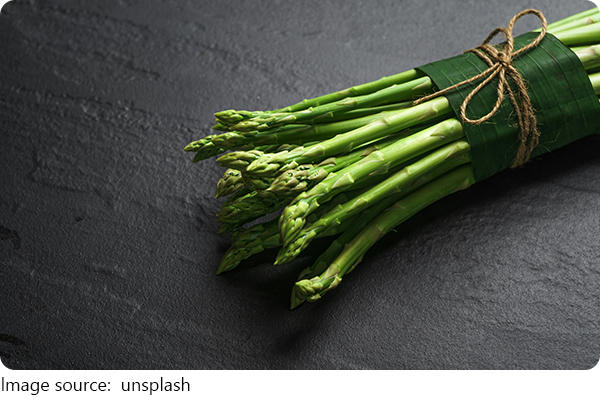
Walking through a farmer's market, you notice bundles of slender green stalks tied neatly together—fresh asparagus catching the morning sun. Its subtle aroma and vibrant color hint at its crisp texture and nutritional richness.
Despite its unassuming appearance, asparagus is a vegetable with a rich history, versatile culinary uses, and notable health benefits, making it a staple for home cooks and gourmet chefs alike.
Understanding how to select, prepare, and enjoy asparagus unlocks both its flavor and its health potential. By exploring its nutritional profile, cooking methods, and storage tips, anyone can make asparagus a regular, delicious part of their diet.
Nutritional Benefits of Asparagus
1. Rich in Vitamins and Minerals
Asparagus is a nutrient-dense vegetable that provides a range of vitamins and minerals, including vitamins A, C, E, and K, as well as folate and potassium. According to the U.S. Department of Agriculture, asparagus contains these essential nutrients in meaningful amounts.
Nutrition guidance from the National Institutes of Health explains that vitamins such as C and E support immune function, while vitamin K plays a key role in osseous health. Folate is important for cell function and development, contributing to overall health and vitality.
2. High in Fiber
Dietary fiber in asparagus aids digestion, helps regulate blood sugar levels, and contributes to a feeling of fullness. Including asparagus in meals can support digestive health and promote balanced nutrition.
3. Antioxidant Properties
Asparagus contains compounds such as flavonoids and polyphenols, which act as antioxidants. These protect cells from oxidative stress and support long-term health by reducing inflammation and promoting cardiovascular well-being.
Culinary Uses and Preparation
1. Steaming and Boiling
Lightly steaming or boiling asparagus preserves its bright green color and tender texture. This method is ideal for salads or as a simple side dish, seasoned with olive oil, lemon, or herbs.
2. Roasting and Grilling
Roasting or grilling asparagus enhances its natural sweetness and creates a slightly caramelized exterior. Tossed with garlic, olive oil, or balsamic vinegar, it becomes a flavorful accompaniment to proteins or pasta dishes.
3. Incorporating into Recipes
Asparagus can be added to soups, stir-fries, omelets, or risottos. Its mild, earthy taste complements a variety of ingredients, providing texture and a subtle green freshness that elevates both simple and complex dishes.
Choosing and Storing Asparagus
1. Selecting Fresh Spears
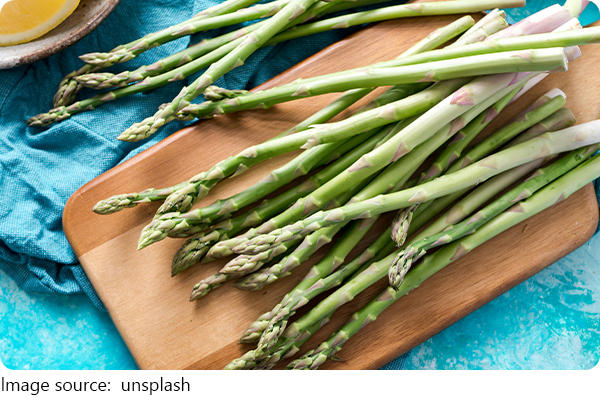
Look for firm, straight stalks with tightly closed tips and vibrant green color. Avoid spears that appear wilted, or discolored, as these indicate age or poor storage.
2. Storing for Longevity
To keep asparagus fresh, trim the ends and place the stalks upright in a glass with a small amount of water, covering loosely with a plastic bag. Refrigeration using this method can preserve freshness for several days.
3. Freezing for Future Use
Blanching asparagus briefly in boiling water before freezing preserves texture and nutrients. Frozen asparagus can later be roasted, sautéed, or added to cooked dishes without losing flavor or quality.
Asparagus is more than just a seasonal vegetable; it is a versatile ingredient that supports both culinary creativity and nutritional well-being. From its tender texture and delicate flavor to its rich vitamin content, it deserves a place in everyday meals. By selecting fresh spears, preparing them thoughtfully, and exploring different cooking methods, anyone can enjoy asparagus as a delicious, healthful addition to their diet. Treating asparagus as both a flavorful ingredient and a nutritional powerhouse makes it a rewarding choice for those looking to eat well while enjoying the natural taste of fresh produce.