Smart Riding Safety Tips

Mei
| 02-03-2026
 · Automobile team
Riding a motorcycle brings freedom that cars can't match.
The wind in your face, the sense of speed, and the connection to the road make every ride an experience. But with that freedom comes responsibility—staying safe requires awareness, preparation, and a few smart habits.
Even experienced riders can underestimate risks, so knowing safety strategies is key to enjoying the ride without regrets.
Gear Up Properly
Helmet that fits snugly
Protective jacket and pants
Gloves and sturdy boots
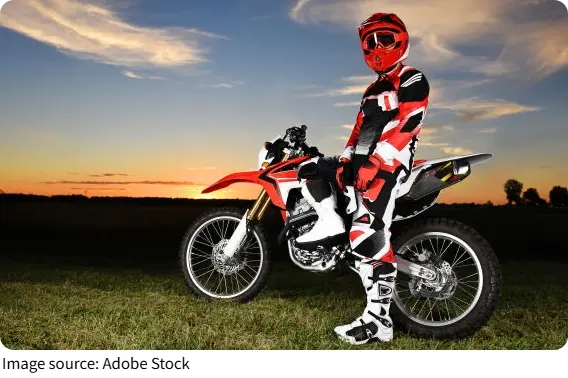
A helmet is your most critical protection—opt for one that meets safety standards and fits comfortably. Jackets and pants made with abrasion-resistant materials shield against scrapes, while gloves improve grip and protect hands. Boots provide ankle support and prevent foot injuries.
Actionable example: Before every ride, check that your helmet chin strap is secure and that gloves allow free finger movement while gripping the throttle and brake. A small adjustment can prevent big accidents.
Maintain Your Motorcycle
Check tires and tire pressure
Test brakes and lights
Inspect chain and fluids
A well-maintained motorcycle is easier to control and less likely to fail on the road. Proper tire pressure ensures grip, functioning brakes provide stopping power, and adequate fluids keep the engine running smoothly. Regular checks prevent mechanical issues from turning into dangerous situations.
Tip: Make it a habit to inspect tires, brakes, and lights before every ride. Even a 5-minute check can save you from unexpected hazards.
Ride Defensively
Keep a safe following distance
Anticipate other drivers' actions
Use signals and lane positioning
Motorcycles are less visible than cars, so assume that other drivers may not see you. Maintain extra space, stay out of blind spots, and anticipate sudden lane changes or braking. Use turn signals early and choose lane positions that maximize visibility and escape options.
Example: When approaching intersections, slow down and scan cross traffic, even if you have the right of way. Many accidents happen when riders assume other drivers will stop.
Manage Speed and Conditions
Adjust for weather
Slow down on curves and gravel
Avoid sudden maneuvers
Wet or slippery roads, loose gravel, and sharp curves increase risk. Adjust your speed and lean less aggressively in these conditions. Smooth inputs on brakes and throttle reduce the chance of losing control. Riding within your limits is more important than showing speed.
Tip: During rainy conditions, increase following distance and avoid painted lines or metal surfaces, which can be extra slippery.
Stay Focused and Alert
Avoid distractions
Watch for road hazards
Take breaks on long rides
Fatigue, phone use, or even daydreaming can lead to mistakes. Keep your attention on traffic, road conditions, and other riders. On long rides, schedule breaks to stretch, hydrate, and reset focus. A sharp mind reacts faster to sudden hazards.
Actionable example: Every hour on the road, pull over for a 5-minute break. Drink water, stretch your legs, and mentally review upcoming traffic situations.
Riding a motorcycle is exhilarating, but it comes with risks that can be minimized with preparation, attention, and smart habits. Proper gear, regular maintenance, defensive riding, controlled speeds, and alertness all combine to make every trip safer. By prioritizing safety, riders can enjoy the thrill of the road while protecting themselves and others—because a responsible rider is a confident rider.