Healing Greens

Raghu Yadav
| 14-04-2026
 · Cate team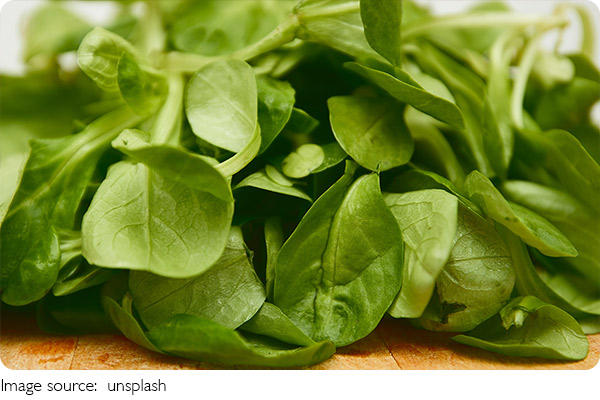
After a long day at work, aching joints or a bloated stomach can make even simple activities feel heavy. While modern medicine offers targeted treatments, daily diet choices play a quiet but powerful role in controlling inflammation.
Vegetables, rich in antioxidants and bioactive compounds, can help reduce inflammation naturally. Including them regularly transforms meals from mere fuel into tools for long-term health.
Leafy Greens: Anti-Inflammatory Powerhouses
1. Spinach and Kale
Leafy greens such as spinach and kale are rich in vitamins A, C, and K, as well as antioxidant compounds like flavonoids. According to nutrition research from the Harvard T.H. Chan School of Public Health, these plant compounds help combat oxidative stress and support overall health.
Nutrition expert Walter C. Willett explains that diets rich in fruits and vegetables—particularly leafy greens—are associated with lower levels of inflammation and reduced risk of cardiovascular disease.
Including vegetables like Spinach and Kale in meals such as salads, sautés, or smoothies is an effective way to increase intake of these beneficial nutrients.
2. Bok Choy and Swiss Chard
Cruciferous greens like bok choy contain sulforaphane, a compound linked to lower inflammatory cytokine production. Swiss chard adds additional phytonutrients and magnesium, which supports muscle and nerve function. Lightly steaming these vegetables preserves nutrients while enhancing digestibility.
3. Arugula and Romaine
Milder greens such as arugula and romaine lettuce provide polyphenols that support gut health and modulate inflammatory responses. Adding these to sandwiches or as a base for grain bowls introduces gentle but consistent anti-inflammatory benefits.

Colorful Vegetables for Bioactive Compounds
1. Bell Peppers
Red, yellow, and orange bell peppers are rich in carotenoids and vitamin C. These compounds neutralize free radicals, which are often responsible for triggering inflammation. Quick roasting or stir-frying preserves both flavor and nutritional value.
2. Tomatoes
Lycopene, the antioxidant that gives tomatoes their red hue, is strongly associated with lower systemic inflammation. Cooking tomatoes slightly enhances lycopene bioavailability, making sauces or stews an excellent option.
3. Carrots and Sweet Potatoes
Beta-carotene in carrots and sweet potatoes supports immune regulation and reduces oxidative stress. Incorporating them into daily meals—baked, roasted, or steamed—offers a sustained anti-inflammatory effect while adding natural sweetness.
Cruciferous Vegetables for Detoxification
1. Broccoli
Broccoli contains sulforaphane and kaempferol, compounds known to modulate inflammatory pathways. Steaming broccoli for 5–6 minutes preserves antioxidants while maintaining a crisp texture suitable for salads or side dishes.
2. Cauliflower
Cauliflower shares many bioactive compounds with broccoli. It supports liver detoxification and reduces gut inflammation when eaten raw or lightly roasted. Pairing with healthy fats, such as olive oil, improves absorption of fat-soluble antioxidants.
3. Brussels Sprouts
These mini cabbages are dense in glucosinolates and vitamin C, which have been linked to reduced inflammatory markers in studies. Roasting with a drizzle of olive oil and a sprinkle of herbs enhances both flavor and nutrient retention.

Incorporating Anti-Inflammatory Vegetables Daily
1. Mix Raw and Cooked
Eating a combination of raw and lightly cooked vegetables ensures maximum nutrient intake. Some antioxidants are heat-sensitive, while others become more bioavailable after cooking. Variety enhances both flavor and efficacy.
2. Combine with Healthy Fats
Many plant-based antioxidants are fat-soluble. Drizzling vegetables with olive oil, adding avocado, or sprinkling seeds improves absorption, making anti-inflammatory effects more pronounced.
3. Plan for Consistency
Small daily portions of anti-inflammatory vegetables are more effective than occasional large servings. Creating colorful plates with multiple vegetables increases diversity of bioactive compounds, supporting overall health and resilience.
Inflammation is part of the body's natural defense system, but chronic inflammation can silently impact long-term health. By prioritizing leafy greens, colorful vegetables, and cruciferous varieties in daily meals, we empower the body with natural tools to regulate immune responses and reduce oxidative stress. Next time you prepare a meal, consider adding a handful of spinach, a few slices of bell pepper, or roasted broccoli. These simple choices quietly nurture the body, turning each bite into a step toward lasting well-being.