Indoor Plant Care Guide

Chris Isidore
| 02-03-2026
 · Lifestyle team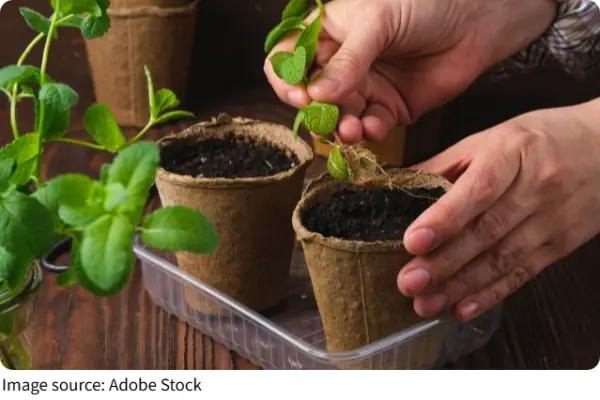
A shelf lined with leafy plants can transform a room into a calming retreat, yet many plant lovers quickly realize that indoor greenery requires more than occasional watering.
Even resilient species like pothos or snake plants can struggle without attention to light, soil, and humidity.
Understanding their basic needs ensures your indoor plants not only survive but flourish.
Lighting Essentials
1. Match plants to available light
Different plants have varying light requirements. Low-light species such as ZZ plants and ferns thrive in north-facing corners, while succulents and ficus benefit from bright, indirect sunlight near south- or east-facing windows. Observing leaf color and growth patterns helps gauge whether a plant is receiving sufficient light.
2. Rotate plants regularly
Rotating containers every few weeks ensures all sides of the plant receive even light exposure, preventing uneven growth or leaning toward the sun. This small step maintains symmetry and encourages fuller foliage.
3. Use supplemental lighting if needed
In spaces with minimal natural light, LED grow lights provide a steady source of energy for photosynthesis. Start with the manufacturer’s distance guidance (often in the 12–18 inch range) and adjust if you notice stretching or leaf bleaching. Aim for roughly 10–12 hours a day to support steady growth.
Watering Strategies
1. Learn each plant's needs
Overwatering is the most common indoor plant issue. As the University of Maryland Extension (Home and Garden Information Center) notes, “The number one reason for dying plants is usually overwatering.” Water only when the top inch of soil feels dry for most leafy plants, while succulents and cacti need longer intervals between waterings. Check soil moisture with a finger or moisture meter to avoid stress.
2. Ensure proper drainage
Using planting containers with drainage holes prevents water from pooling at the bottom and reduces the risk of root problems. Instead of adding gravel or stones at the base (which doesn’t reliably improve drainage), use a well-draining growing mix and a drainage-hole container, and empty any collected water after watering.
3. Adjust with seasons
Plants grow more slowly during cooler months and often require less water. In summer, increased temperatures and sunlight may necessitate more frequent watering. Monitoring plants' leaf texture and soil condition helps fine-tune hydration schedules.
Soil and Fertilization
1. Use appropriate soil
Different plants thrive in different soil types. Tropical houseplants prefer well-aerated potting mix, while succulents and cacti require sandy, fast-draining soil. Using the right medium promotes healthy root development and prevents fungal issues.
2. Fertilize moderately
Most indoor plants benefit from diluted, balanced fertilizer during the growing season. Follow label directions and avoid “more is better.” Fertilizing every 4–6 weeks during active growth works for many houseplants, while succulents may need even less. Reduce or pause fertilizing in winter if the plant is not actively growing.
3. Repot when necessary
Refresh the plant into a slightly larger container every two to three years if needed. Signs a plant needs a container upgrade include roots growing out of drainage holes, slowed growth, or soil that dries out unusually quickly. Gently loosen the root ball to reduce stress and place it in a slightly larger container with fresh soil.
Humidity and Maintenance
1. Maintain ideal humidity
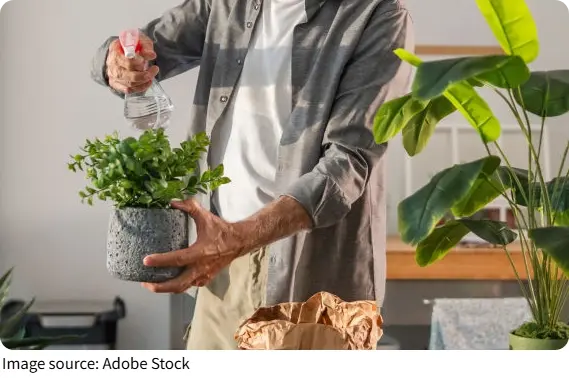
Many indoor plants prefer moderate humidity. Using a small humidifier or grouping plants together can create a microclimate that reduces stress and promotes vibrant leaves. Avoid placing plants near heating vents or air conditioners that dry the air.
2. Keep foliage clean
Dust can block sunlight and reduce photosynthesis. Wipe leaves with a damp cloth or give plants a gentle shower every few weeks to keep them healthy and attractive.
3. Prune and inspect regularly
Removing yellowing or dead leaves prevents disease spread and encourages new growth. Regular inspections also allow you to catch pests early, reducing the risk of infestations that can affect multiple plants.
Caring for indoor plants is a dynamic process that blends observation with consistent care. By paying attention to light, water, soil, and environment, you create conditions that allow plants to thrive and enhance your living space. Over time, these routines transform simple greenery into a vibrant, ever-changing display that brings life and serenity into any room.