Bluebell Wonders
Nolan O'Connor
| 25-02-2026
 · Lifestyle team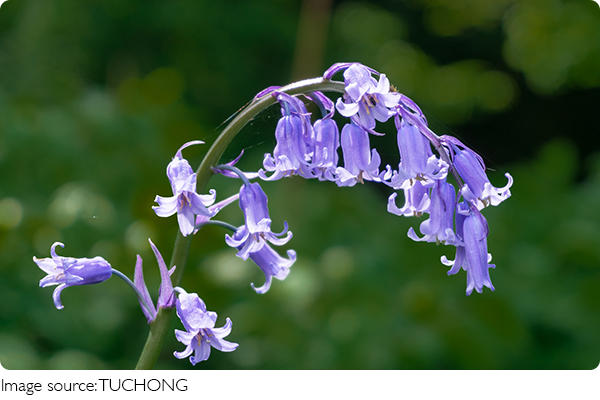
Walking through a forest in early spring, the ground seems almost to glow with a soft blue carpet. Tiny bell-shaped flowers sway gently in the breeze, releasing a delicate scent that fills the air.
These are bluebells, and seeing them in full bloom is like stepping into a painter's dream—a fleeting, vibrant moment that only lasts a few weeks each year.
Identifying Bluebells
1. Flower shape: Bluebells have narrow, tubular, bell-shaped flowers that hang from one side of a slender stalk. Their petals curl slightly at the edges, giving each blossom a delicate, nodding appearance.
2. Color variations: While most bluebells are deep violet-blue, some appear in pale blue, pink, or even white. Observing these subtle differences can help identify individual plants or hybrids in a woodland setting.
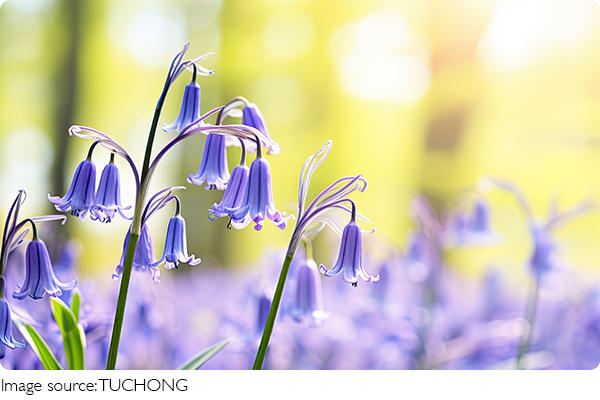
3. Leaves and growth pattern: Bluebells have long, narrow leaves that emerge from the base. They often grow in dense clusters, creating striking carpets across forest floors. Noting the density and arrangement of leaves can also help differentiate bluebells from other early spring wildflowers.
Optimal Growing Conditions
1. Soil preferences: Bluebells thrive in well-drained, moist soils rich in organic matter. Look for them in areas with leaf litter, which provides nutrients and maintains soil moisture.
2. Light conditions: Partial shade under deciduous trees is ideal. In spring, before the tree canopy fully develops, sunlight reaches the forest floor, giving bluebells the light they need for rapid growth.
3. Local tip: When exploring a woodland, check shaded valleys or north-facing slopes. These spots often hold the densest, most vibrant bluebell displays, and walking slowly allows you to notice smaller, scattered patches as well.
Seasonal Timing and Observation
1. Bloom period: Bluebells usually bloom from late March to mid-May, depending on climate and elevation. Visiting during peak bloom ensures the fullest, most immersive display.
2. Daily observation: Morning light enhances the delicate blue hues, while evening light can cast a soft, dreamy glow across the forest floor. Early visits also mean fewer visitors, allowing a more peaceful experience.
3. Practical tip: Take a camera or smartphone for photos, but avoid stepping off trails. Even light foot traffic can damage delicate bulbs and compact soil, affecting future blooms.
Wildlife and Ecosystem Role
1. Pollinators: Bees, butterflies, and hoverflies are attracted to the nectar inside bluebell flowers. Observing insects moving from bloom to bloom highlights the plant's role in supporting early spring pollinators.
2. Ground cover: Dense carpets of bluebells help protect soil from erosion and retain moisture for smaller plants beneath. They also create microhabitats for insects and small amphibians that thrive in shaded, damp forest areas.
3. Observation tip: Sit quietly near a cluster and watch insects for 10–15 minutes. You may notice subtle interactions, like bees brushing against petals or tiny beetles navigating leaves, giving insight into the ecosystem supported by these flowers.
Photography and Appreciation
1. Composition: Wide-angle shots capture the sweeping carpets of flowers, while macro shots reveal details like pollen grains or dew droplets on petals.
2. Perspective: Shooting from ground level emphasizes depth and density, making even small clusters appear vast. Positioning your camera toward patches with dappled sunlight adds dynamic contrast.
3. Practical tip: Bring a small reflector or use natural light to illuminate shaded areas. This enhances the vibrant blues without altering the natural colors.
Conservation Considerations
1. Avoid picking: Bluebells are delicate and slow to recover if removed. Enjoy their beauty in place rather than disturbing blooms.
2. Stick to paths: Dense carpets are fragile; walking off trails can crush bulbs and compact soil. Even minor damage can reduce flowering in subsequent years.
3. Educational engagement: Share observations with friends or children. Noticing variations in color, shape, or pollinator activity can turn a simple woodland walk into an interactive learning experience about spring ecology.
Reflections on Spring's Beauty
Watching sunlight filter through trees and illuminate a forest floor blanketed in bluebells is a reminder of nature's delicate timing. The flowers bloom for only a short window, encouraging visitors to slow down, observe, and appreciate fleeting beauty. Spending time among bluebells teaches patience and attentiveness, inviting us to notice the intricate interactions between plants, insects, and the environment. Next spring, plan a quiet morning walk to pause among the bluebells—you may find that the smallest flowers reveal the largest lessons about life, resilience, and the wonder of nature.