Living Room Wall Art

Amit Sharma
| 12-02-2026
 · Lifestyle team
A blank wall in your living room can feel oddly heavy, almost as if it's waiting for something to breathe life into it. Adding a mural is more than decoration—it's a statement, a mood setter, and a way to make a room feel alive.
Picking the right wall art requires balancing scale, style, and personality so the space feels cohesive without overwhelming your eyes.
The key is understanding how a mural interacts with the room, from lighting and furniture to color and texture. When done right, a single wall can become the room's centerpiece, sparking conversation and giving your living space a unique identity.
Consider the size and placement
A mural should complement the room's proportions rather than dominate them. Size and placement are the first factors to address.
Wall scale
Large murals work well on expansive walls, especially behind sofas or media units, while smaller walls suit subtle designs or panels.
Eye-level focus
Centering the main elements at eye level creates a natural flow. Avoid placing the most detailed part too high or low.
Balance with furniture
Ensure the mural doesn't compete with tall bookshelves or large cabinets. Leave breathing space so the room feels open.
Actionable example: Measure the wall and furniture placement before selecting a mural. If the wall behind your sofa is 12 feet wide, choose art that spans at least two-thirds of that width for a balanced look.
Choose a style that matches your décor
Your mural should feel like a natural extension of your living room's personality.
Minimalist designs
Clean lines, simple shapes, and muted colors work well with modern furniture and sleek interiors.
Bold statement pieces
Vibrant colors or dynamic patterns can energize neutral spaces but should be limited to one wall to avoid visual overload.
Textured or 3D effects
Murals that mimic natural materials like wood, stone, or brick add depth and tactile interest without cluttering the room.
Actionable example: If your furniture is mostly neutral tones, pick a mural with one bold accent color to tie the room together while keeping the rest understated.
Color and lighting considerations
The mural's colors should harmonize with lighting and the rest of the room's palette.
Complementary hues
Match at least one color from the mural with existing furniture, rugs, or cushions to create cohesion.
Light impact
Natural light enhances bright colors, while dim corners may benefit from warmer, softer tones to avoid the space feeling flat.
Contrast for depth
Light-colored walls can benefit from darker murals, and vice versa, creating visual interest without overcrowding.
Actionable example: Hang a test swatch or small sample of the mural on the wall for a day to see how morning and evening light changes its appearance before committing.
Material and maintenance
The mural's material affects longevity, cleaning, and overall finish.
Vinyl or washable prints
Easy to clean and durable, ideal for high-traffic living rooms or households with pets.
Painted murals
Fully custom and textured, these create an original statement but may need touch-ups over time.
Wallpaper panels
Pre-printed panels offer a middle ground, combining durability with artistic detail.
Actionable example: Choose vinyl murals for areas near seating where contact or spills are likely. A quick wipe keeps colors vibrant without damaging the design.
Personal connection and storytelling
The most memorable murals tell a story or evoke emotion, making your living room feel uniquely yours.
Nature-inspired themes
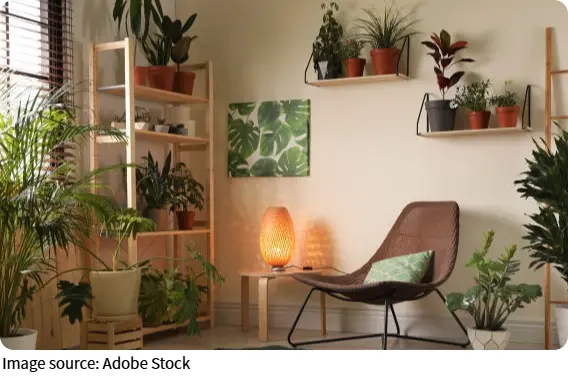
Mountains, forests, or abstract skies add calm and relaxation.
Abstract or geometric designs
These bring energy, movement, and a contemporary feel to the room.
Customized art
Personal photos, commissioned illustrations, or mixed media murals create a direct link to your life and tastes.
Actionable example: Consider creating a mural based on a favorite travel memory or hobby. Even subtle abstract representations of those elements can personalize the space dramatically.
A well-chosen living room mural transforms the ordinary into something memorable. It's not just about filling a wall—it's about selecting art that complements your space, lifestyle, and personality. The right combination of size, style, color, and story can make your living room feel expansive, harmonious, and distinctly yours, turning a simple room into a place that truly reflects who you are.