Living Room Feel Bigger

Liam Reilly
| 05-02-2026
 · Lifestyle team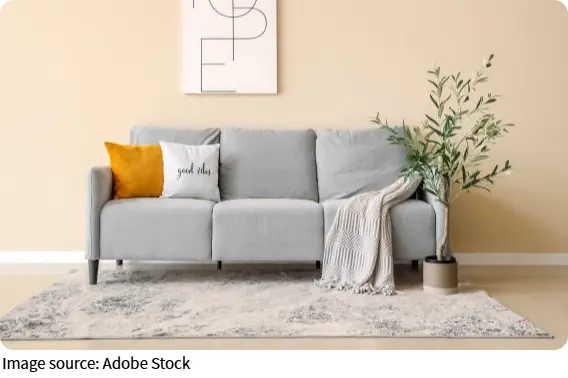
Stepping into a cramped living room can feel like walking into a box. But with a few smart adjustments, even a modest space can feel airy and inviting.
Creating a sense of openness isn't about knocking down walls—it's about using light, furniture, and visual tricks to make the room appear larger and more comfortable.
Understanding these strategies can transform the way you experience your living space.
Use light to expand perception
Maximize natural light by keeping windows unobstructed and choosing light, sheer curtains.
Layer artificial lighting with floor lamps, table lamps, and recessed lights to reduce shadows.
Reflective surfaces like mirrors or glass accents bounce light and visually expand the room.
For example, placing a large mirror opposite a window instantly doubles the light's reach, making the space feel open. Even small mirrors on side walls or mirrored décor pieces can reflect corners and create depth, giving the illusion of a bigger room without rearranging furniture.
Choose furniture wisely
Opt for low-profile pieces that don't dominate the visual field.
Multi-functional furniture like storage ottomans or nesting tables reduces clutter.
Transparent or leggy furniture keeps sightlines open and prevents a crowded feel.
A practical tip: swap a bulky coffee table for a glass-top one with thin legs. It provides the same functionality while allowing light and floor space to remain visible. Similarly, chairs with exposed legs make the floor appear more continuous, enhancing the sense of space.
Organize and declutter strategically
Use vertical storage such as shelves or wall-mounted cabinets to free floor space.
Keep surfaces clear to avoid visual heaviness.
Group items in storage baskets or trays to reduce scattered clutter.
For instance, instead of leaving books, magazines, and remote controls on tables, store them in decorative baskets on a shelf or under the sofa. This keeps the floor and surfaces open, making the room feel cleaner and larger. Even subtle changes like clearing window sills of extra objects can make a noticeable difference in perceived space.
Color and pattern strategies
Light and neutral tones make walls and floors recede visually.
Vertical patterns on rugs or wallpaper elongate the room's height.
Consistent color schemes avoid breaking the visual flow and reduce a cramped feeling.
For example, painting walls in soft beige or pale gray and pairing them with a similarly toned sofa creates a seamless background. Adding a rug with subtle vertical stripes can give the impression of extra length. Keeping decor colors cohesive allows the eye to move freely, which enhances openness.
Create clear pathways
Arrange furniture to allow easy movement through the room.
Avoid blocking entrances or natural walkways.
Use open space near doors and seating areas to enhance flow.
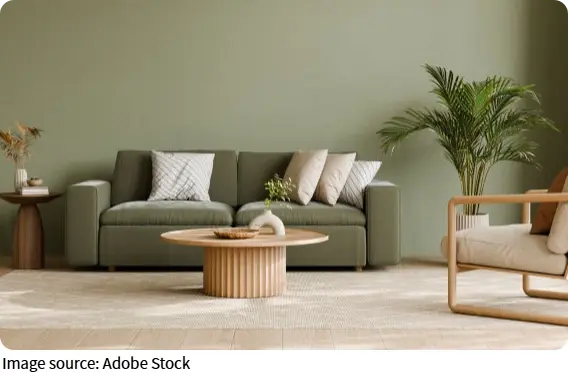
A practical adjustment is moving the sofa slightly away from the wall and angling chairs to form a conversational area. This creates visible pathways, prevents a congested feel, and makes the room appear larger. Even leaving a narrow band of floor visible along walls can improve the sense of spaciousness.
Small design choices make a surprisingly big impact on how roomy a living room feels. By maximizing light, selecting the right furniture, decluttering, and using color and pattern smartly, you can create a space that feels open and welcoming. These adjustments don't require remodeling—they're about seeing the room differently and letting air, light, and sightlines work in your favor. With thoughtful placement and organization, even the coziest living room can feel airy, balanced, and ready for everyday life or entertaining guests.