Perfect Sofa

Owen Murphy
| 05-02-2026
 · Lifestyle team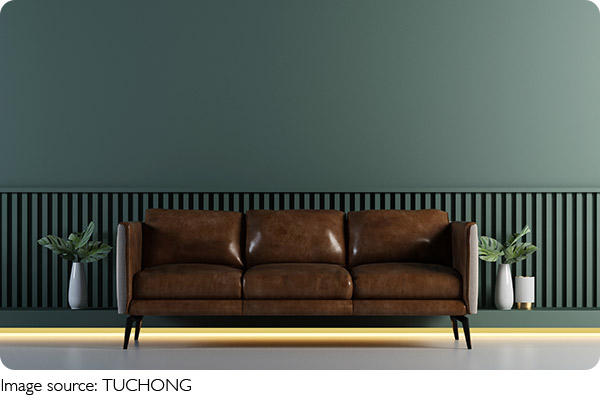
There's nothing quite like sinking into a sofa after a long day, feeling the cushions support you just right. But finding the perfect sofa isn't as simple as picking the prettiest one in the store. The right choice balances comfort, style, durability, and how it fits into your living space.
Taking the time to consider materials, size, and function ensures that your sofa becomes a centerpiece of your home for years to come.
Assessing Size and Layout
Before buying, consider the size of your room and how the sofa will fit into your overall layout. A sofa that's too big can overwhelm a space, while one that's too small may feel out of place.
1. Measure your space – Measure wall length and the distance from the wall to other furniture to ensure the sofa fits without blocking pathways.
2. Seating capacity – Decide how many people will regularly use the sofa. A two-seater might suffice for a small apartment, while a sectional works for larger living areas.
3. Proportions and balance – Ensure the sofa's height, depth, and arm size complement other furniture pieces in the room.
Actionable example: Lay out tape on the floor matching the dimensions of the sofa you're considering. Walk around it to check for clearance and how it interacts with other furniture.
Choosing the Right Material
Materials affect both the sofa's look and longevity. Selecting the right fabric or leather ensures your sofa remains stylish and functional.
1. Fabric sofas – Cotton, linen, or microfiber are soft and come in various colors and patterns. Microfiber is especially resistant to stains, making it a practical choice for families.
2. Leather sofas – Durable and easy to clean, leather gives a sleek, sophisticated look. Full-grain leather ages beautifully, developing a patina over time.
3. Blended materials – Many sofas combine fabrics or leather with synthetic fibers for added durability and lower maintenance.
Pro tip: Order fabric or leather swatches to test at home under your room's lighting. Colors often look different indoors than in a showroom.
Comfort and Cushion Support
A sofa should feel good the moment you sit down. Comfort depends on cushion filling, seat depth, and back support.
1. Cushion filling – Options include foam, down, or a combination. Foam offers firm support, down provides softness, and blended cushions give balanced comfort.
2. Seat depth – Standard depth suits most people, but if you enjoy lounging, deeper seats offer more relaxation.
3. Back support – Check that the sofa supports your lower back. High-backed sofas provide extra comfort for taller users.
Example: Sit on the sofa in different positions—upright, lounging, and cross-legged. Notice how the cushions respond and whether the arms and back feel supportive.
Style and Aesthetic Considerations
Your sofa sets the tone for the room, so style and color choices should match your personal taste and décor.
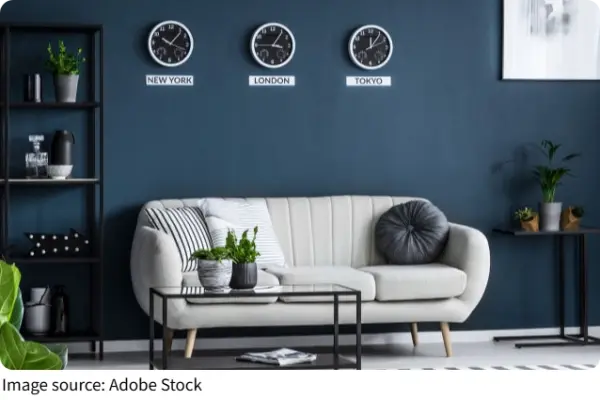
1. Match your interior – A modern sofa with clean lines complements contemporary décor, while a tufted or rolled-arm design suits classic interiors.
2. Color and pattern – Neutral shades offer flexibility for accessories, while bold colors or patterns create a statement piece.
3. Versatility – Consider modular or sectional sofas that can be rearranged as your needs or room layout changes.
Actionable tip: Visualize the sofa with your existing furniture and décor. Use online room planners or photo apps to see how colors and styles blend.
Durability and Maintenance
A sofa is an investment, so consider long-term durability and ease of cleaning.
1. Frame construction – Solid hardwood frames are sturdy and long-lasting, while softwood or particleboard frames may warp over time.
2. Cushion resilience – High-density foam holds shape longer than low-density alternatives, preventing sagging.
3. Easy cleaning – Removable cushion covers or leather surfaces simplify maintenance, especially in homes with kids or pets.
Example: Check manufacturer warranties and reviews for insight on durability. Opt for sofas that offer replacement cushions or covers to extend their lifespan.
Choosing the right sofa combines practical considerations with personal style. By evaluating size, material, comfort, style, and durability, you ensure your sofa becomes a functional, inviting, and visually appealing centerpiece in your home. Taking the time to test, measure, and visualize different options guarantees that your final choice not only fits your space but also enhances your everyday living experience, creating a spot you'll love for years.