Fabric vs Leather Sofas

Caleb Ryan
| 05-02-2026
 · Lifestyle team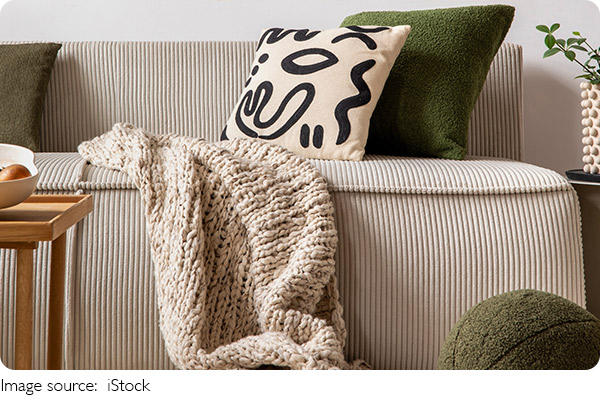
There's nothing quite like sinking into a sofa after a long day, but choosing the right one isn't just about looks. Fabric and leather sofas each bring distinct benefits, and your decision can shape your living space for years.
From comfort and maintenance to durability and aesthetics, understanding the differences can save you from costly regrets. Let's break down the key points to help you decide which is right for your home.
Comfort and Feel
How a sofa feels the moment you sit down is crucial. Fabric and leather differ significantly in texture, temperature, and softness.
1. Fabric sofas – Fabric tends to be softer and warmer, offering a cozy, inviting feel. Materials like cotton, linen, or microfiber can create a cushy experience perfect for lounging or long movie nights.
2. Leather sofas – Leather feels sleek and firm. It adjusts to your body temperature, often feeling cooler in summer and warmer in winter, but it can feel less plush than fabric initially.
3. Seasonal comfort – Fabric maintains a more consistent temperature, while leather may require a throw blanket in winter or cushion pads in summer for comfort.
Example: If you enjoy curling up with a blanket and spending hours on the sofa, a high-quality microfiber fabric sofa could enhance your comfort experience.
Maintenance and Cleaning
How easy it is to keep your sofa clean is a major factor, especially for households with kids or pets.
1. Fabric sofas – Fabric can stain easily, especially lighter colors. Some fabrics are removable and machine-washable, while microfiber resists spills better. Regular vacuuming helps maintain cleanliness.
2. Leather sofas – Leather is naturally resistant to liquids and dirt. Wiping with a damp cloth and occasional conditioning keeps it looking pristine. However, scratches are more noticeable, and oils from skin can darken the surface over time.
3. Longevity of appearance – Fabric may fade or pill after years of use, while leather develops a patina that many find desirable.
Pro tip: For a family with young children, consider a darker-colored, stain-resistant fabric or treated leather for easier upkeep.
Durability and Lifespan
Investing in a sofa means thinking long-term. Some materials hold up better over years of use.
1. Fabric sofas – Quality fabric sofas can last 7–10 years, but cheaper fabrics may wear quickly, losing their shape or showing pilling. Tight weaves and synthetic blends offer added durability.
2. Leather sofas – Leather can last 10–15 years or more if cared for properly. It resists sagging and is less prone to tearing than lower-quality fabrics.
3. Family lifestyle consideration – Active households might prefer leather for its robustness, while careful users may enjoy fabric for its softness and color variety.
Example: A full-grain leather sofa in a living room used mainly for adults can remain attractive and sturdy for decades.
Aesthetic and Style
The visual impact of a sofa is just as important as its comfort. Each material conveys a different vibe.
1. Fabric sofas – Fabric offers endless color and pattern options, fitting casual, cozy, or eclectic interiors. Slipcovers allow for seasonal changes and easy style updates.
2. Leather sofas – Leather exudes sophistication and luxury, complementing modern, minimalist, or classic décor. Its smooth finish gives a polished, high-end look.
3. Blending styles – Mixing textured cushions or throws with either material can soften the look or add visual interest without compromising style.
Actionable example: For a neutral living room, a beige fabric sofa with colorful patterned pillows can bring warmth, while a deep brown leather sofa adds elegance with minimal accessories.
Budget and Value
Cost often influences the choice between fabric and leather. Understanding what you're paying for ensures the investment is worthwhile.
1. Fabric sofas – Generally more affordable upfront, though high-end designer fabrics can rival leather prices. The cost varies depending on material quality, weave, and durability.
2. Leather sofas – Leather is usually pricier initially but may offer better long-term value due to its lifespan and timeless appeal.
3. Consider total value – Factor in maintenance, potential replacement, and personal lifestyle to determine the best return on investment.
Example: Spending more on a top-quality leather sofa may save money over ten years compared to replacing a mid-range fabric sofa twice in the same period.
Choosing between a fabric and leather sofa ultimately comes down to lifestyle, comfort preference, and personal style. Fabric offers warmth, variety, and coziness, while leather provides elegance, durability, and easier maintenance. By weighing comfort, upkeep, lifespan, style, and budget, you can select a sofa that enhances both your living space and daily life. Sitting down on the right sofa will feel effortless, like it was made just for you, turning your living room into a perfect spot for relaxation, conversation, and long-term enjoyment.