Sustainable Packaging

Sofia Alvarez
| 14-01-2026
 · Cate team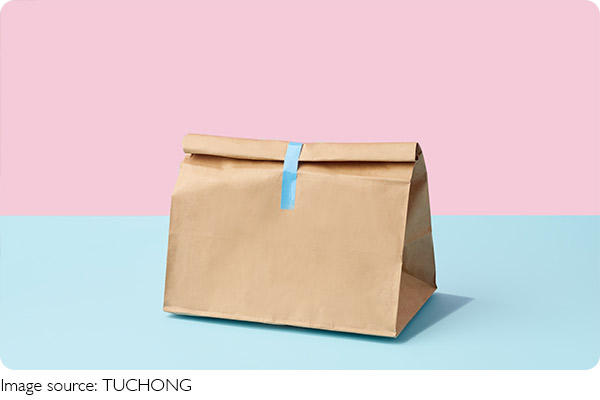
Picture this: you're unpacking groceries and you can't help but notice the massive amount of plastic waste that's accumulating.
Bottles, bags, wrappers—it's hard to avoid. But have you ever wondered how much of that packaging actually ends up in landfills? The food industry is a major contributor to this problem, and it's no secret that something needs to change.
Luckily, sustainable packaging innovations are already underway, making it possible to reduce waste and minimize the environmental footprint of food packaging. Let's explore some of these exciting developments and how they're shaping the future of food packaging.
1. Biodegradable Packaging
Biodegradable packaging is quickly gaining ground as a sustainable alternative to traditional plastic. Unlike plastic, which can take hundreds of years to break down, biodegradable materials decompose much faster. Many companies are turning to plant-based materials like cornstarch, mushrooms, and seaweed to create packaging that can easily break down in natural environments.
Why it works?
Biodegradable packaging is made from renewable resources, reducing the need for fossil fuels and cutting down on plastic pollution. Plus, as it decomposes, it doesn't leave harmful microplastics behind. This makes it a more environmentally friendly choice, especially when compared to the long-lasting impact of traditional plastic packaging.
- Tip: Look for products with biodegradable packaging to help support companies that are committed to reducing environmental harm. Some companies now offer products packaged in biodegradable containers made from materials like sugarcane pulp, which is compostable.
2. Edible Packaging
Imagine being able to eat the packaging along with your food—well, that's exactly what edible packaging offers. Made from ingredients like seaweed, rice, and even milk proteins, this innovative packaging can be consumed along with the food it holds, leaving no waste behind. Edible packaging is currently used in some snack foods and even in single-serving condiments.
Why it works?
The beauty of edible packaging is that it eliminates waste entirely. Once you've enjoyed your meal, there's nothing left to throw away. Additionally, edible packaging can be tailored to match the flavor profile of the food inside, enhancing the overall eating experience.
- Tip: While edible packaging is still niche, it's a fascinating development to watch. In the future, we may see more widespread use of these innovative wrappers in everyday snacks or even fresh produce.
3. Plant-Based Plastics
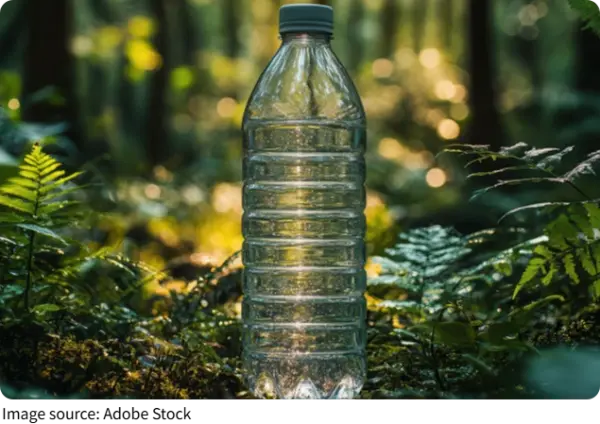
Plant-based plastics, also known as bioplastics, are made from renewable plant materials like corn starch, sugarcane, or potatoes, as opposed to petroleum-based plastics. While they're not completely free of environmental impact, plant-based plastics offer a more sustainable alternative. They can often be composted or recycled more easily than traditional plastics.
Why it works?
Plant-based plastics help reduce reliance on petroleum and lower the carbon footprint of packaging. Additionally, many bioplastics are biodegradable, meaning they break down faster than traditional plastics. These materials can be used in everything from food wrappers to containers, offering a greener option for packaging.
- Tip: Be mindful that not all bioplastics are created equal—some are only biodegradable in industrial composting facilities. If you're looking for truly sustainable packaging, check for certifications or labels indicating the product is compostable.
4. Recyclable and Reusable Packaging
Another critical trend in sustainable packaging is the push for more recyclable and reusable options. From glass jars to metal cans, many food companies are shifting toward materials that can be easily recycled. The idea is simple: reduce waste by reusing or recycling packaging instead of sending it straight to a landfill.
Why it works?
Recycling helps close the loop in the product lifecycle, ensuring that materials like glass, aluminum, and cardboard are reused to create new packaging or products. Reusable packaging, such as jars or containers that can be refilled, also reduces the need for single-use packaging and cuts down on waste over time.
- Tip: Look for brands that offer products in reusable containers or use widely recyclable materials like glass, aluminum, or cardboard. These packaging options are much more sustainable than plastic and often have a longer lifespan.
5. Minimalist Packaging
Minimalist packaging is all about reducing waste by using the least amount of material necessary to protect and present the product. Many companies are designing packaging that's both functional and eco-friendly by eliminating excess packaging or switching to simpler designs.
Why it works?
According to Dame Ellen MacArthur, founder of the Ellen MacArthur Foundation, a key step in reducing environmental harm is cutting down on unnecessary packaging. She says that reducing single‑use packaging not only minimizes waste but also helps design out carbon emissions, making packaging systems more sustainable while lowering the overall carbon footprint of products.
- Tip: When shopping, pay attention to products with minimalist packaging. Often, these products are just as well-protected as those with bulky packaging, but they come with a reduced environmental impact.
6. Smart Packaging with Sustainability in Mind
In addition to traditional sustainable materials, smart packaging is another exciting development. These packages feature technologies that extend the shelf life of food, helping reduce food waste. For instance, some smart packaging contains sensors that indicate when food is no longer fresh, helping consumers make better decisions about when to eat or discard the product.
Why it works?
By extending the life of food and reducing waste, smart packaging offers an innovative solution to food preservation. Additionally, some smart packaging solutions are designed to be more eco-friendly, using biodegradable or recyclable materials to keep both food and the environment safe.
- Tip: Keep an eye out for food products with smart packaging, as they may offer better food quality and reduce your food waste.
The Takeaway: A Greener Future for Food Packaging
The food industry is making great strides in creating more sustainable packaging options. From biodegradable materials to edible packaging and smart solutions, the innovations are endless. As consumers, we have the power to support these advancements by choosing products with eco-friendly packaging.
The takeaway? While it may take some time before sustainable packaging is the norm, each step toward greener packaging is a positive one. By opting for products with less wasteful packaging, we can all play a part in reducing our environmental impact and supporting more sustainable practices in the food industry.