Trusting L4 Autonomous Cars?

Luca
| 17-12-2025
 · Automobile team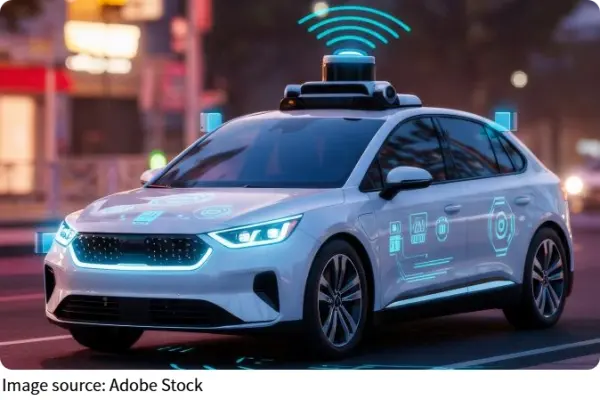
Imagine sitting in a car, feet off the pedals, eyes on the scenery, while the vehicle navigates through busy streets with precision.
The allure of Level 4 (L4) autonomous vehicles is undeniable—comfort, safety, and futuristic vibes all rolled into one.
Yet, beneath the convenience lies a complex ethical question: can we fully trust a machine to make split-second decisions that humans have struggled with for a lifetime?
Understanding L4 and L5 Autonomy
To have an informed discussion, we need clarity on what these automation levels mean.
Level 4 (L4) Autonomy
L4 vehicles can operate without human intervention in defined environments, often called geofenced areas. For example, a robotaxi navigating a downtown district in all weather conditions can be fully autonomous—but it might still require human takeover outside that zone.
Level 5 (L5) Autonomy
L5 represents full autonomy under any condition, anywhere, with no human input required. The car could theoretically drive itself on a desert road, urban streets, or snowy mountain passes. L5 is the ultimate goal, but technology, regulation, and infrastructure aren't fully ready yet.
The Ethical Dilemma of Machine Decisions
Humans make ethical choices constantly, often instinctively. When a self-driving car encounters a sudden hazard, it has to choose between equally undesirable outcomes.
Decision Algorithms
L4 vehicles rely on algorithms that weigh risk, potential injury, and traffic rules. But these are programmed by humans, reflecting our priorities, biases, and legal frameworks. Can a machine truly “decide” in a morally acceptable way?
Unpredictable Scenarios
Imagine a pedestrian suddenly crossing outside a crosswalk while another vehicle swerves toward your L4 car. The vehicle must choose a path—potentially sacrificing property, comfort, or even life. Unlike human intuition, the car operates strictly by coded logic.
Transparency and Accountability
If an accident occurs, who is responsible? The manufacturer, software developer, or passenger? Ethical frameworks for L4 cars are still evolving, raising concerns about public trust and legal liability.
Benefits That Build Confidence
Despite ethical questions, autonomous vehicles offer tangible advantages that could save lives and improve traffic efficiency.
Reduced Human Error
Statistics show that human error accounts for over 90% of accidents. Removing driver mistakes—like distraction, fatigue, or impaired judgment—can drastically lower crash rates.
Predictable Decision-Making
Unlike humans, L4 systems respond consistently to similar scenarios. Algorithms calculate risks based on real-time sensor data, offering reliable reaction times, even in high-pressure situations.
Encouraging Technological Literacy
Public interaction with L4 cars stimulates discussion about ethics, programming, and safety standards. It's an opportunity for society to shape future mobility thoughtfully rather than reactively.
Practical Steps for Users
While the technology evolves, users can adopt strategies to engage safely with L4 vehicles.
Know the Boundaries
Understand the geofenced areas and conditions where the vehicle can operate autonomously. Avoid relying on automation in unsupported zones.
Stay Informed
Read updates on software improvements, safety recalls, and autonomous behavior studies. Being informed helps you anticipate risks and limits.
Engage in Public Dialogue
Share experiences, voice concerns, and participate in forums or surveys. Ethical deployment depends on user feedback influencing policy and programming.
Reflecting on Our Relationship with Machines
Autonomous vehicles challenge our traditional notions of trust, responsibility, and decision-making. As L4 technology becomes more common, society faces a choice: blindly embrace convenience or thoughtfully guide the ethics of automation. By understanding the technical limits, ethical considerations, and real-world applications, we can cultivate a cautious optimism—one where humans and machines collaborate for safer roads.
Picture a future where cars navigate effortlessly through traffic, yet our engagement remains active—not just as passengers, but as ethical stewards of the technology we entrust with life-and-death decisions. That balance will define how comfortable we truly feel in an era where machines share the driver's seat.